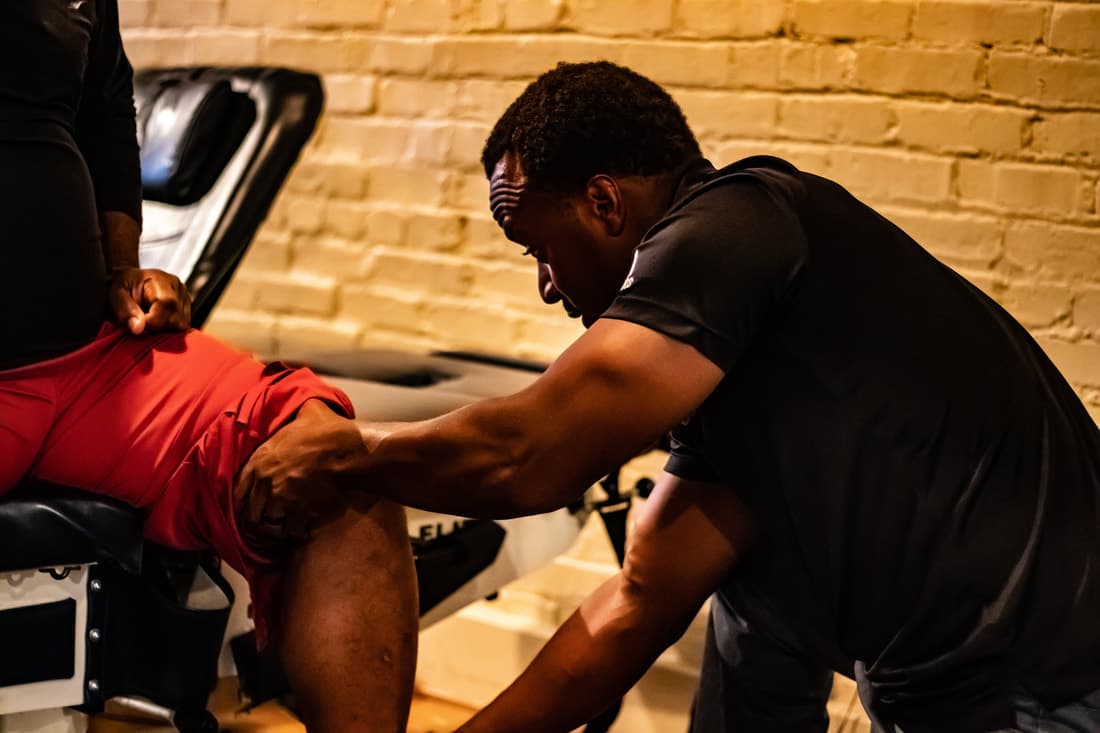
Walking into a chiropractor's office for the first time can feel both hopeful and a little nerve-wracking. Whether you are dealing with back pain, recovering from an injury, or looking for preventive care, knowing what to expect can ease anxiety and help you get the most from your visit.
This guide walks through the typical steps of a first chiropractic appointment: what to bring, what you will be asked, and how the exam and first treatment usually work.
Before You Arrive: Preparation and Paperwork
Your first visit begins before you walk through the door. Intake forms gather information about your health history, current symptoms, past injuries, medications, and daily habits.
New Patient Forms at KC Wellness and Physiotherapy
New patients can download two forms ahead of time, fill them out before arriving, and bring them to the visit:
More details are on the New Patients page. Questions about the forms? Call our office at (913) 424-2410.
Be ready to share details about:
- Your main concern: what brought you in, when it started, and what makes it better or worse
- Your medical history: surgeries, major illnesses, and ongoing conditions
- Previous treatment: therapy, medications, injections, or other chiropractic care you have tried
- Family history: especially conditions affecting the bones, joints, or nervous system
- Daily life: your work, exercise habits, sleep, and stress levels
Wear comfortable, loose-fitting clothing, since you may be asked to move and bend during the exam. Bring any relevant records, such as imaging reports, previous treatment notes, or referral letters from other providers. We accept all major insurance plans. Call our office at (913) 424-2410 to confirm your coverage before your visit. Care is available without a prescription.
The Initial Consultation: Your Story Matters
Once the paperwork is done, your chiropractor will sit down with you to talk. This conversation is one of the most important parts of the visit. It is your chance to describe your symptoms in your own words, and your provider's chance to understand how they affect your daily life.
“We listen carefully to understand the challenges our clients are facing in their healing process.”
KC Wellness and Physiotherapy
Expect questions like:
- Where exactly do you feel pain or discomfort?
- How would you describe it: sharp, dull, burning, or tingling?
- When did it start? Was there a specific incident, or did it come on gradually?
- Which activities or positions make it worse or better?
- Have you noticed patterns, such as time of day, certain movements, or stress?
- How is it affecting your work, sleep, exercise, or daily activities?
Your chiropractor is building a complete picture. Be as specific and honest as you can. There are no wrong answers, and details that seem minor to you can be clinically important.
The Physical Examination
After the consultation comes a hands-on examination of your posture, movement, and nerve function. It usually includes:
Postural analysis
Your chiropractor watches how you stand and move, looking for asymmetries, muscle imbalances, or compensation patterns that might contribute to your symptoms.
Range of motion testing
You will be asked to bend forward and backward, rotate, and tilt your head so your chiropractor can see how flexible you are and where movement is restricted or painful.
Orthopedic tests
Specific maneuvers help identify which structures are involved. For example, a leg raise test can point toward an irritated nerve, and shoulder tests can point toward a rotator cuff problem.
Neurological screening
Checking reflexes, muscle strength, and sensation helps evaluate nerve function and screen for problems that need a different kind of care.
Palpation
Your chiropractor feels along your spine and the surrounding tissues for tenderness, muscle tension, and joints that are not moving well.
In some cases, imaging such as X-rays, or lab work, may be recommended to look at bone structure, rule out a fracture or other problem, or provide a baseline. If imaging is needed, you may be referred for it.
Diagnosis and Treatment Plan
After the exam, your chiropractor will explain the findings in plain language, including:
- Your diagnosis: what is likely causing your symptoms
- Contributing factors: habits, work setup, or movement patterns that may be involved
- The recommended approach: the kinds of care that fit your situation
- Visit frequency: how often you may need to come in, and when progress will be checked
- Realistic goals: what improvement could look like for you
This is the time to ask questions. A good chiropractor welcomes them and wants you to feel informed about your care. Ask about alternatives, possible risks, and what to do if symptoms get worse. Understanding your condition, and having a say in the plan, also makes it easier to stick with the exercises and habits that support your progress.
Your First Adjustment: What It Feels Like
If it is appropriate, your chiropractor may perform your first adjustment during this initial visit. Sometimes treatment waits for a follow-up, for example after imaging has been reviewed.
A chiropractic adjustment, also called spinal manipulation, applies a quick, controlled movement to a joint to improve how it moves. Before adjusting, your chiropractor will explain what they are going to do and position you comfortably, lying on a treatment table or seated, depending on the area being treated.
The adjustment itself:
- Takes only a moment per joint
- May produce a popping sound, which comes from a gas bubble forming in the joint fluid, much like cracking your knuckles (read what causes that popping sound)
- Usually feels like pressure or a quick stretch
- Typically is not painful, although an area that is already irritated may feel tender
Some people notice easier movement right away. Others need several visits before they notice a change. Both are normal, and your chiropractor will explain what to expect for your situation.
At KC Wellness and Physiotherapy, Dr. Casey's care can combine chiropractic and spinal corrective care with physiotherapy and rehabilitation exercises and soft tissue work. Many chiropractors also suggest stretches or posture changes to try at home.
After Your Visit: What Is Normal and When to Call
Some brief soreness or stiffness after a first adjustment is common, similar to the feeling after starting a new exercise routine.
Usually normal
- Mild soreness in the treated areas
- A temporary increase in existing symptoms
- Mild tiredness
- Easier movement
Call the office if you have
- Severe or worsening pain
- New numbness, tingling, or weakness
- Symptoms lasting more than a few days
- Any concerns about how you are responding
For sudden, severe symptoms, seek emergency care. By knowing what to expect, asking questions, and communicating openly, you take an active role in your care from the very first visit.
Getting Started
Starting chiropractic care is a positive step, and knowing what to expect helps. At KC Wellness and Physiotherapy in Kansas City, Dr. Kowin Casey, DC, a chiropractic physician, sees patients at 1815 Grand Blvd. The practice's philosophy is to meet people where they are, at their phase of health. The practice also offers telehealth appointments.
If you are ready for your first visit, request an appointment online and our office will call you to confirm a time, or call our office at (913) 424-2410. By appointment only. Office hours: Monday – Thursday 7:00 AM – 6:00 PM, Friday 7:00 AM – 6:30 PM, Saturday 7:00 AM – 1:00 PM, Sunday Closed.