
Frozen Shoulder Treatment in Kansas City
Frozen shoulder, also called adhesive capsulitis, can make everyday movements painful and difficult. At KC Wellness and Physiotherapy, Dr. Kowin Casey uses physiotherapy, gentle joint mobilization and soft tissue care matched to your stage of recovery to help reduce pain and restore shoulder motion.

Understanding Frozen Shoulder
Frozen shoulder, medically called adhesive capsulitis, is a condition marked by gradually increasing stiffness and pain in the shoulder joint. The shoulder capsule, the connective tissue surrounding the joint, becomes inflamed, thickened and tight, which restricts movement. It most often appears in middle age, affects women more often than men, and can make reaching overhead, getting dressed or sleeping comfortably difficult. Frozen shoulder typically moves through stages: the freezing stage, with increasing pain and stiffness; the frozen stage, with persistent stiffness and often less pain; and the thawing stage, with a gradual return of motion. The full course can last many months, and sometimes years, which is why many people look for help managing pain and keeping the shoulder moving along the way.
The exact cause of frozen shoulder is not fully understood, but certain factors raise the risk. Diabetes is one of the strongest risk factors. Others include thyroid disorders, Parkinson's disease, heart disease, and prolonged immobilization of the shoulder after an injury, surgery or stroke. Inflammatory, autoimmune and genetic factors may also play a role. Frozen shoulder can appear without an obvious cause (primary frozen shoulder) or after trauma, surgery or another health condition (secondary frozen shoulder). Knowing these risk factors helps Dr. Casey spot early stiffness, particularly in people with diabetes or those recovering from a shoulder injury.
Professional care is worth considering because frozen shoulder often improves slowly, and the stiffness can make work, sleep and daily tasks difficult for a long time. Conservative care may help ease pain, improve range of motion and prevent the compensating movement habits that can strain the neck, upper back or the other shoulder. Treatment is matched to your stage: during the painful freezing stage, care stays gentle and pain-guided, while the frozen and thawing stages focus more on restoring motion and strength. At KC Wellness and Physiotherapy, Dr. Kowin Casey combines physiotherapy and therapeutic exercise, gentle joint mobilization, Active Release Technique and myofascial release, and education to support your recovery while respecting the natural healing process.
Signs & Symptoms of Frozen Shoulder
- Progressive Shoulder Stiffness: Gradual loss of motion in all directions, especially rotating the arm outward and reaching overhead.
- Deep, Aching Shoulder Pain: Discomfort that worsens with movement and often intensifies at night.
- Trouble Reaching Overhead: Difficulty raising the arm above shoulder height for tasks like combing your hair.
- Restricted Outward Rotation: Marked difficulty turning the arm outward, which affects dressing and grooming.
- Pain Into the Upper Arm: Discomfort that spreads from the shoulder into the upper arm, rarely below the elbow.
- Muscle Wasting: Shrinking of the shoulder muscles from disuse and protective guarding.
- Sharp Pain at End Range: Sudden, intense pain when the shoulder is pushed past its restricted range.
- Difficulty Dressing: Struggling to put on shirts or coats or reach behind your back.
- Sleep Disturbances: Being unable to lie on the affected shoulder and waking at night from pain.
- Work Limitations: Difficulty with job tasks that require reaching or lifting.
- Driving Difficulty: Trouble turning to check blind spots or reaching across for a seatbelt.
- Loss of Recreational Activities: Stepping back from sports, exercise or hobbies that involve the arm.
- Frustration and Worry: Emotional strain from a long recovery and uncertainty about when it will end.
- Compensating Movement Patterns: New movement habits that can lead to neck, back or opposite shoulder problems.
What to Expect
- An evaluation with Dr. Casey of shoulder range of motion, strength and daily function to identify your stage of frozen shoulder
- Imaging such as x-rays may be recommended or referred to rule out other causes of shoulder pain
- Physiotherapy and therapeutic exercise that progress from gentle range of motion to stretching and strengthening
- Gentle joint mobilization and Active Release Technique or myofascial release for the shoulder and surrounding muscles
- Chiropractic care for the neck and upper back, which often stiffen as the shoulder compensates
- Class IV laser therapy for pain reduction and kinesio taping for support when they fit your symptoms
How Dr. Casey Approaches Frozen Shoulder
Thorough Evaluation
Care begins with range of motion testing, a strength assessment and a look at how you move through daily tasks, so Dr. Casey can determine which stage of frozen shoulder you are in. He also looks for compensating patterns and contributing factors such as posture or related health conditions, and records where you are starting so progress can be measured.
Stage-Matched Treatment Plan
Your plan balances pain relief with gradually restoring motion. It may include physiotherapy and therapeutic exercise, gentle joint mobilization, Active Release Technique and myofascial release, and home care strategies suited to your daily activities. Intensity is adjusted to your pain and stage of healing so progress does not come at the cost of flaring the shoulder.
Progressive Ongoing Care
Throughout recovery, Dr. Casey rechecks your progress and adjusts your plan as you move through the stages of healing. He explains what to expect, teaches self-management techniques and sets realistic milestones, with strategies to help you keep the motion you have worked to regain.
Benefits
Care Directed by Dr. Casey
Your evaluation and care are directed by Dr. Kowin Casey, a licensed chiropractic physician who also received a certification in physiotherapy with an emphasis in sports rehabilitation.
Stage-Matched Care
Treatment intensity follows your stage of frozen shoulder, so care stays gentle when the shoulder is most painful and progresses as motion returns.
Telehealth Available
Virtual visits by phone and video can be an option for some follow-ups, such as checking progress and updating home exercises, when getting to the office is difficult.
Home Program Support
You learn exercises and self-care strategies to keep your progress going between visits and after your care ends.
Your Treatment Journey
First Evaluation
Your first visit includes a detailed history, a physical examination, range of motion testing and a look at your daily function. Dr. Casey determines your stage of frozen shoulder, identifies contributing factors and records your starting point. You leave with a clear understanding of your diagnosis, a personalized plan, pain management strategies and your first home exercises.
Active Treatment Phase
This phase combines physiotherapy and therapeutic exercise, joint mobilization and soft tissue care, advanced gradually as pain eases and motion improves. Progress with frozen shoulder can feel slow at times, and that is normal. Keeping up with your home exercise program matters, and Dr. Casey adjusts your care based on how you respond.
Progress Review
As the shoulder begins to thaw, visits typically become less frequent while your exercises become more demanding. Dr. Casey rechecks your range of motion, strength and function, shifts the focus toward strengthening and functional training, and prepares you to manage more on your own.
Long-Term Management
Most people move to a home-based program with occasional check-ins. Full recovery from frozen shoulder can take a long time. Some people regain all of their motion, while others keep some lasting stiffness, and Dr. Casey will talk with you honestly about what to expect. You learn how to protect your progress and spot early signs of stiffness returning.
Treatment Options for Frozen Shoulder
Physiotherapy and rehabilitation: A progressive exercise program that moves from pendulum exercises and gentle assisted range of motion to stretching, strengthening and functional training as your stage allows.
Joint mobilization and chiropractic care: Gentle mobilization of the shoulder joint, matched to your stage and comfort, plus chiropractic care for the neck and upper back, which often stiffen as the body compensates.
Active Release Technique and myofascial release: Hands-on soft tissue work for the tight muscles around the shoulder, chest and upper back.
Class IV laser therapy and kinesio taping: Class IV laser therapy for pain reduction, and kinesiology tape to support the shoulder without restricting motion, may be added when they suit your symptoms.
Home care and your wider health: Guidance on activity changes, heat or ice at home and self-mobilization techniques. For people with diabetes or thyroid conditions, working with your physician to manage those conditions is an important part of recovery.
When to Seek Care
If you recognize these signs, help is available. An evaluation can confirm whether frozen shoulder or another problem, such as a rotator cuff injury, is behind your pain, so your care matches the real cause.
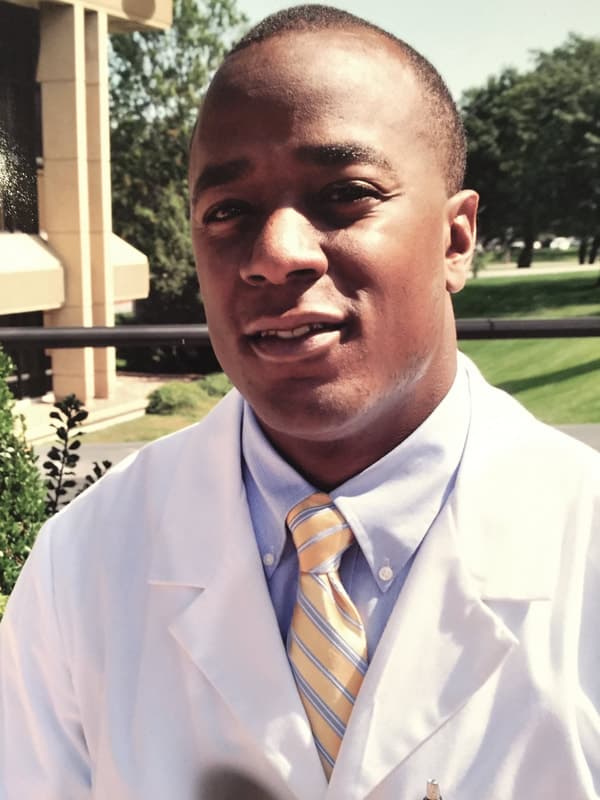
About the practice
KC Wellness and Physiotherapy was founded by Dr. Kowin Casey, DC, a chiropractic physician who received a certification in physiotherapy with an emphasis in sports rehabilitation.
Common Questions About Frozen Shoulder
How long does frozen shoulder treatment take?
Frozen shoulder is known for a slow natural course that can last many months or longer. How long your care takes depends on the stage you are in when you start, your overall health and how consistently you do your home exercises. Care that begins in the painful freezing stage focuses on comfort, while care in the frozen and thawing stages focuses on restoring motion. Dr. Casey will set realistic expectations at your evaluation and track your progress along the way.
Will I need medication or injections for frozen shoulder?
Many people manage frozen shoulder with conservative care alone. Some use over-the-counter anti-inflammatory medication when pain is severe, and corticosteroid injections from a physician can help some people, particularly during the painful freezing stage, so they can keep up with rehabilitation exercise. Chiropractic physicians do not prescribe medication or give injections, so Dr. Casey will recommend that you talk with your physician if those options seem worth considering. For cases that do not respond to conservative care, procedures such as manipulation under anesthesia or arthroscopic capsular release may be discussed with an orthopedic specialist.
Does insurance cover frozen shoulder treatment?
We accept all major insurance plans. Call our office at (913) 424-2410 to confirm your coverage before your visit.
What if chiropractic treatment isn't working for my frozen shoulder?
Frozen shoulder takes patience, and progress can be slow even when care is going well. Early signs of progress can include less intense pain, better sleep or slightly easier movement. If you are not seeing progress, Dr. Casey will reassess your condition and adjust your plan. When needed, he will recommend imaging to rule out other problems or a visit with your physician or an orthopedic specialist to discuss injections or other options.
Can telehealth appointments work for frozen shoulder treatment?
Hands-on care such as joint mobilization and soft tissue work requires an office visit. Once your plan is established and you know your exercises, telehealth can help with follow-ups, such as reviewing your range of motion, updating your home program and talking through activity changes. You can combine in-person visits with telemedicine follow-ups when that makes sense for your care.
Can frozen shoulder come back after treatment?
Frozen shoulder returning in the same shoulder is uncommon, but the other shoulder can be affected later, especially for people with diabetes or other risk factors. That is why maintenance exercises matter after you recover. Keep up your range of motion exercises regularly, maintain good posture, avoid keeping the shoulder immobilized for long periods and manage related health conditions with your physician. If you notice stiffness returning, or you injure the shoulder, get it checked promptly rather than resting it for a long time.
Related Conditions
Service
Physiotherapy & Rehabilitation
Progressive therapeutic exercise to restore shoulder motion, strength and function.
Service
Active Release Technique & Myofascial Release
Hands-on soft tissue work for tight muscles around the shoulder and upper back.
Related Condition
Shoulder Pain
Common causes of shoulder pain and how they are evaluated and treated.
Get Help for Frozen Shoulder
You don't have to face frozen shoulder alone. Book an evaluation with Dr. Casey at our Kansas City office, or call (913) 424-2410 with any questions.