
Work-Related Injury Treatment in Kansas City
Whether you were hurt in a sudden workplace accident or developed pain from repetitive tasks, Dr. Kowin Casey looks for the cause of the problem and builds a plan aimed at restoring function and a safe return to work. His background includes owning and operating clinics that specialized in the rehabilitation of work and auto injuries.

Understanding Work-Related Injuries
Work-related injuries cover a wide range of musculoskeletal problems caused or made worse by the demands of a job. They are very common, and they range from sudden events such as a lifting injury or a fall to gradual overuse conditions such as carpal tunnel syndrome or chronic low back pain. The effects go beyond discomfort: pain can mean missed work, lost productivity and a harder time enjoying life outside of work. Office work, construction, manufacturing, healthcare, delivery and service jobs each carry their own physical stresses, whether that means long hours at a keyboard, heavy lifting, prolonged standing or repetitive motion.
The causes are often specific to the job. Acute injuries usually follow a sudden event: lifting with poor mechanics and straining the low back or irritating a disc, slipping and falling, a vehicle collision for drivers and delivery workers, or an impact from equipment. Cumulative injuries build more quietly through repetitive motion, sustained awkward postures, vibration, or long periods in one position that strain muscles, tendons and nerves. Contributing factors include workstation setup, limited training in body mechanics, missing safety equipment, schedules that leave little time for rest breaks, and earlier injuries that never fully resolved. Office workers commonly develop neck, shoulder and wrist pain; manual laborers often deal with low back, shoulder and knee problems; healthcare workers can injure their backs and shoulders moving patients; and service workers feel the strain of constant standing and repetition.
Work injuries often do not settle with rest alone, and some become chronic without the right care. Early, targeted treatment can help keep an acute injury from turning into a long-term problem and address cumulative strain before it builds further. Dr. Casey's approach combines chiropractic adjustments to restore joint motion, hands-on soft tissue care such as Active Release Technique and myofascial release, physiotherapy and corrective exercise to strengthen supporting muscles and improve movement, and practical guidance on body mechanics and workstation setup. The practice's approach is to look for underlying causes and make specific interventions and lifestyle adjustments to optimize the conditions for normal function.
Signs & Symptoms of Work-Related Injuries
- Acute or Chronic Back Pain: Sharp pain after lifting, or a dull, persistent ache from prolonged sitting or repetitive bending.
- Neck and Shoulder Tension: Stiffness and pain from computer work, overhead tasks or prolonged awkward postures.
- Radiating Pain or Numbness: Tingling, burning or numbness traveling down the arms or legs, which can signal nerve involvement.
- Joint Pain and Stiffness: Reduced range of motion and pain in the shoulders, elbows, wrists, hips, knees or ankles.
- Muscle Weakness or Fatigue: Difficulty holding work postures or doing tasks that used to feel manageable.
- Tension Headaches: Headaches linked to neck strain or long stretches of screen time.
- Swelling or Inflammation: Visible swelling around joints or soft tissues after an acute injury or ongoing overuse.
- Reduced Work Performance: Trouble completing tasks efficiently or keeping up because of pain.
- Time Off or Modified Duties: Needing time away from work or restrictions on your regular responsibilities.
- Sleep Disturbances: Trouble finding a comfortable sleeping position, or waking often because of pain.
- Anxiety About Re-Injury: Fear of doing certain tasks or movements that might make the problem worse.
- Pulling Back From Activities: Avoiding hobbies, exercise or family activities because of pain or fatigue.
- Relying on Pain Medication: Needing more and more over-the-counter or prescription medication to get through the day.
- Frustration With Slow Recovery: Distress when symptoms persist despite earlier treatment attempts.
What to Expect
- A thorough assessment of your injury history, your job's physical demands and how you move, to identify the structures involved and set a baseline
- Treatment that may combine chiropractic adjustments, Active Release Technique, dry needling, physiotherapy and therapeutic exercise, chosen for your injury
- Non-surgical spinal decompression and traction when a back or neck injury calls for it
- Progressive rehabilitation that increases your activity level safely while watching how your symptoms respond
- Guidance on body mechanics, lifting and workstation setup to address what contributed to the injury
- A personalized plan built around your injury, your job and your recovery goals
How Dr. Casey Treats Work-Related Injuries
Thorough Assessment
Care begins with a detailed injury history, a look at the physical demands of your job, and an examination of how you move. This identifies the structures involved and how the injury happened, and sets a baseline for tracking progress. If imaging would help clarify the problem, it may be recommended.
Personalized Treatment Plan
Your plan is built around your injury, your work demands and your goals. Depending on what the assessment shows, it may include chiropractic adjustments, Active Release Technique and myofascial release, dry needling, Class IV laser therapy for pain reduction, or non-surgical spinal decompression and traction. The intensity and pace of care are adjusted based on how you respond.
Progressive Rehabilitation
As you heal, physiotherapy and therapeutic exercise aim to rebuild strength, endurance and the movements your job requires. You learn safer body mechanics for lifting, reaching and sitting, along with practical changes to your workstation or routine, to support a safe return to your usual duties and help lower the risk of re-injury.
Benefits
Work and Auto Injury Background
Dr. Casey has owned and operated sports medicine, chiropractic, laser and physiotherapy clinics that specialized in the rehabilitation of work and auto injuries.
Personalized Care Plans
Every work injury is different. Treatment is tailored to your job requirements, the nature of your injury and your recovery goals.
Chiropractic and Physiotherapy Together
As a licensed chiropractic physician with a certification in physiotherapy, Dr. Casey can combine spinal care and rehabilitation in one plan.
Early Weekday and Saturday Hours
Visits are by appointment only. The office is open Monday through Thursday from 7:00 AM to 6:00 PM, Friday from 7:00 AM to 6:30 PM and Saturday from 7:00 AM to 1:00 PM, which can make it easier to fit care around a work schedule.
Your Treatment Journey
Initial Evaluation
A thorough assessment of your injury, including a physical examination, movement testing and a review of your job demands. Imaging may be recommended if it is needed to clarify the diagnosis. You leave with a clear explanation of what is going on and a treatment plan.
Active Treatment
Early care focuses on reducing pain, calming irritated tissues and protecting healing areas while keeping you moving. You receive hands-on care, therapeutic exercise and education on body mechanics. As symptoms improve, visits become less frequent and your exercises progress.
Functional Restoration
The focus shifts to rebuilding strength, endurance and the specific movements your job requires, with progress measured against your starting point. Practical changes to your workstation or work habits are identified along the way.
Long-Term Prevention
Once you are back to your usual duties, you keep a home exercise program and prevention strategies suited to your work. You learn to recognize early warning signs, and follow-up visits are available if symptoms return.
Treatment Options for Work Injuries
Dr. Casey chooses from the services the practice offers based on what your assessment shows. Chiropractic adjustments are used to help restore motion in restricted joints. Active Release Technique and myofascial release address muscle tension and soft tissue restrictions, and dry needling may provide relief for some muscular pain and stiffness while easing trigger points that limit flexibility. Class IV laser therapy is used for pain reduction, and Kinesio taping can support an injured area without restricting motion.
For disc-related and nerve-related back and neck injuries, non-surgical cervical, thoracic and lumbar decompression with manual or mechanical traction may be part of the plan. Physiotherapy and therapeutic exercise aim to build core stability, strength and better movement patterns. For acute injuries, the early emphasis is on calming pain and protecting healing tissue while keeping you mobile; for longer-standing problems, it is on correcting compensations, rebuilding capacity and preventing recurrence. Personalized nutrition coaching is also available if you want support with the lifestyle side of recovery.
Recovery Timelines and When to Seek Care
Recovery varies with the type and severity of the injury, the demands of your job and how your body heals. Some people return to full duty quickly, while more complex injuries need a longer, graduated rehabilitation. Seek emergency care right away for a serious workplace injury, such as a suspected fracture, a head injury, or new leg numbness or weakness with loss of bladder or bowel control. For the other signs above, call our office at (913) 424-2410 or send an appointment request online to get started.
About the practice
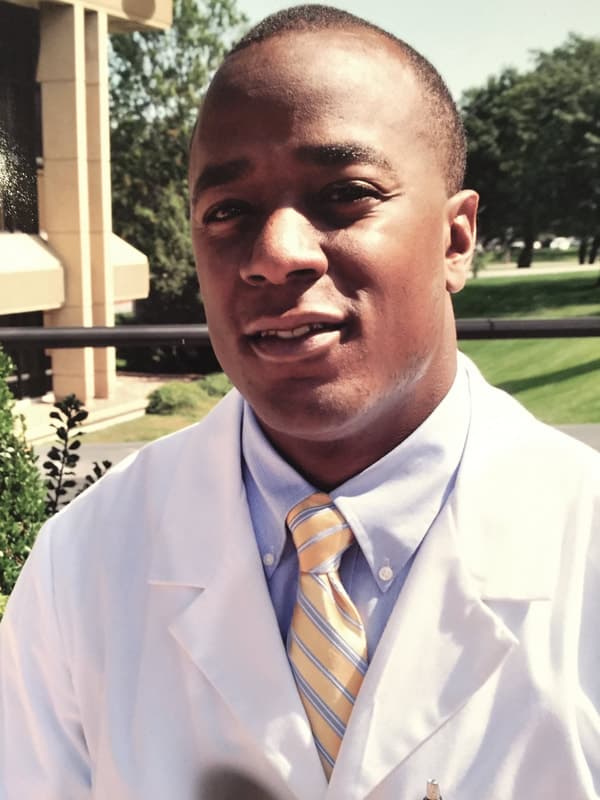
KC Wellness and Physiotherapy was founded by Dr. Kowin Casey, DC, a chiropractic physician who received a certification in physiotherapy with an emphasis in sports rehabilitation.
Common Questions About Work-Related Injuries
How long does treatment for a work-related injury take?
It depends on the type and severity of the injury, your general health, the physical demands of your job, and whether your duties can be adjusted while you heal. A minor muscle strain usually recovers faster than a disc injury or a long-standing repetitive strain problem. Dr. Casey will give you realistic expectations at your first evaluation and update them as treatment progresses.
Will I need to take time off work during treatment?
Not always. Many people keep working while they recover, sometimes with temporary changes such as avoiding heavy lifting or specific repetitive tasks. More serious injuries may need a short period of rest followed by a gradual return. Dr. Casey can talk with you about which activities to limit and how to build back up safely, since staying appropriately active often supports recovery better than prolonged complete rest.
Does insurance cover work injury treatment?
We accept all major insurance plans. Call our office at (913) 424-2410 to confirm your coverage before your visit.
What if my injury happened gradually rather than from a specific accident?
Gradual injuries from repetitive motion, sustained postures or ongoing physical strain are common. Examples include carpal tunnel syndrome from repetitive hand use, low back pain from frequent lifting and shoulder tendon irritation from overhead work. They are evaluated with the same care as a sudden injury: identifying the tissues involved, the tasks that aggravate them and the changes that will help. If you believe your job is causing or aggravating your symptoms, tell your employer early.
What should I bring to my first visit?
Bring a description of how and when the injury happened, any imaging or medical records you already have, a list of your medications, and details about the physical demands of your job. New patients can also fill out the intake forms, the Patient Demographic and General Consent Forms and the HIPAA Intake Form, before arriving and bring them to the visit. If you have questions, call our office at (913) 424-2410.
What if I need care beyond what this office provides?
Conservative care is a reasonable starting point for many work-related musculoskeletal injuries, but not every injury responds to it. If your condition needs further investigation or a different kind of treatment, imaging may be recommended or you may be referred to an appropriate medical specialist, such as an orthopedic surgeon or a pain management physician.
Related Conditions
Service
Auto & Work Injury Care
Evaluation and rehabilitation for injuries from car accidents and on the job.
Service
Chiropractic & Spinal Corrective Care
Adjustments that aim to restore motion in restricted spinal joints after a strain or injury.
Service
Physiotherapy & Rehabilitation
Therapeutic exercise to rebuild strength, endurance and safe movement for your job.
Get Help for a Work-Related Injury Today
You do not have to push through a work injury alone. Dr. Casey will help you understand what is going on and build a plan aimed at a safe return to work.