
Scoliosis Treatment in Kansas City
Scoliosis is a sideways curve of the spine that can affect posture, comfort and mobility. At KC Wellness and Physiotherapy, Dr. Kowin Casey provides conservative care tailored to your curve, your age and your goals, focused on easing discomfort, improving movement and supporting better posture.
Understanding Scoliosis
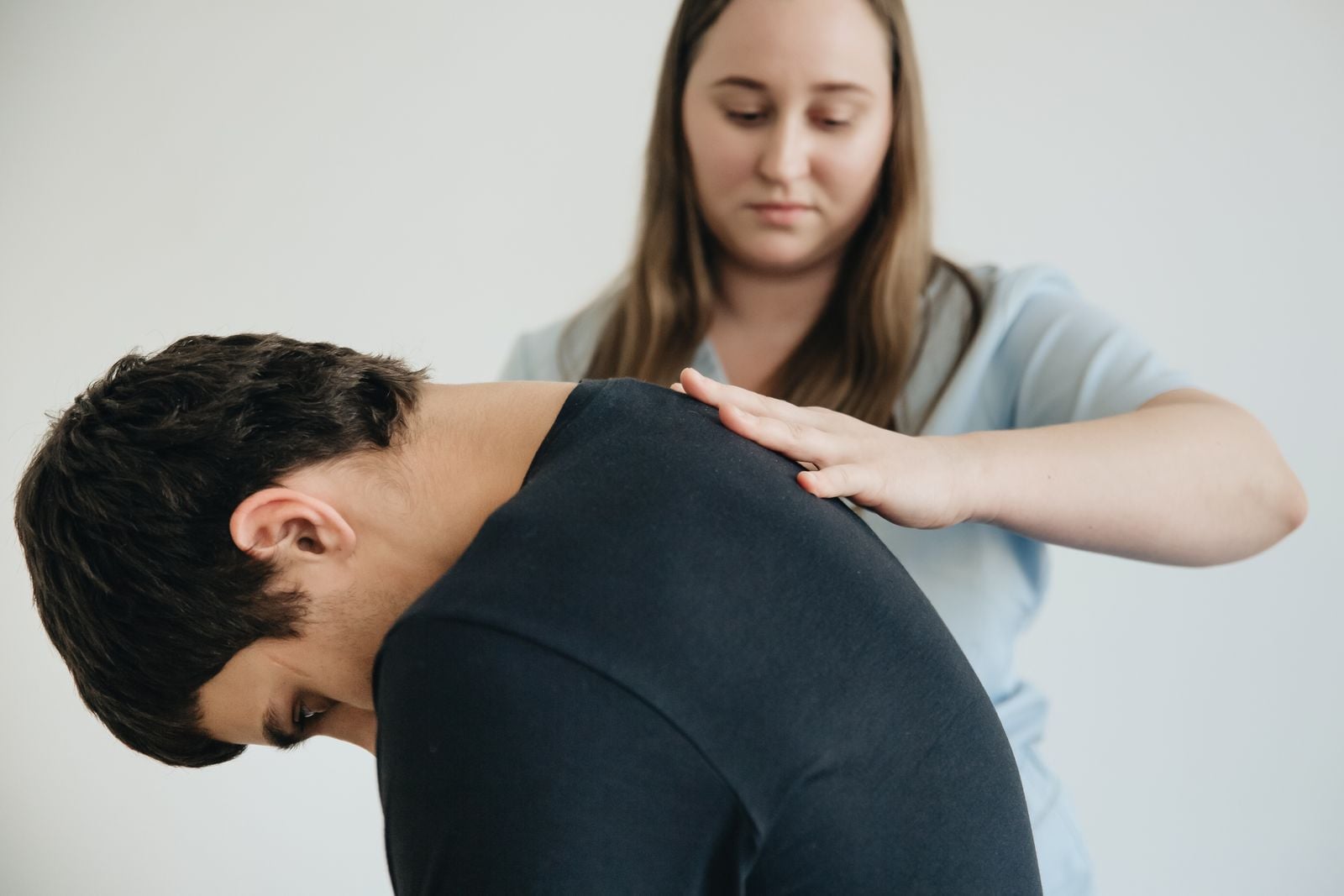
Scoliosis is a three-dimensional change in the shape of the spine in which it curves to the side and often rotates. While a healthy spine looks straight when viewed from behind, a spine with scoliosis curves to the left or right, often forming a "C" or "S" shape. The diagnosis is confirmed, and the curve measured, on an x-ray. Scoliosis can develop at any age, though it most often appears during the growth spurt just before puberty. Curves range from mild ones that only need monitoring to severe curves that can affect breathing and daily function. Beyond the physical signs, scoliosis can affect posture, contribute to back pain and muscle imbalances, and cause self-consciousness about uneven shoulders, hips or how clothes fit.
The most common type is idiopathic scoliosis, meaning no specific cause can be identified. It usually develops in adolescence and tends to run in families. Congenital scoliosis results from differences in the vertebrae present at birth, while neuromuscular scoliosis develops alongside conditions such as cerebral palsy, muscular dystrophy or spinal cord injury. Degenerative scoliosis appears in adults as a result of age-related disc and joint changes in the spine. Risk factors include family history, the adolescent growth period, later adulthood, sex (girls are more likely than boys to have curves that progress) and existing neuromuscular conditions. Some curves are functional rather than structural, caused by things like a leg length difference or muscle spasm, and these can change when the underlying cause is addressed.
Because some curves progress, particularly during rapid growth or with age-related spinal changes, scoliosis deserves professional attention and monitoring. Larger curves can contribute to chronic back pain, visible asymmetry, arthritis in the spine and, in severe cases, reduced lung capacity. Conservative care cannot straighten an established structural curve, but it can play a useful role in easing pain, improving mobility, strengthening the muscles that support the spine and helping with posture. Dr. Kowin Casey's approach looks at the whole musculoskeletal system, not only the curve, and builds a plan that is realistic for your age, your curve and your goals. When a curve needs bracing or a surgical opinion, he will recommend that you see an appropriate specialist.
Signs & Symptoms of Scoliosis
- Uneven Shoulders: One shoulder or shoulder blade sits higher or looks more prominent than the other.
- Waist Asymmetry: An uneven waistline, with more space between the arm and body on one side.
- Rib Prominence: A rib hump that becomes visible when bending forward, a sign of rotation in the curve.
- Uneven Hips: One hip appears higher or more prominent than the other, affecting stance and gait.
- Head Off-Center: The head does not appear centered over the pelvis when viewed from behind.
- Clothing Fit Issues: Hemlines, straps or waistbands that sit unevenly on the body.
- Back Pain: Ongoing or recurring back pain, particularly after long periods of sitting, standing or activity.
- Muscle Fatigue: Tired back and shoulder muscles from constantly working to keep you balanced.
- Reduced Flexibility: Less range of motion in the spine, making bending, twisting and reaching harder.
- Breathing Difficulties: In severe cases, reduced lung capacity when a curve in the mid back affects the chest.
- Gait Changes: Altered walking patterns from uneven hips and compensating posture.
- Nerve-Related Symptoms: Numbness, tingling or pain into the legs if a curve irritates a nerve.
- Self-Consciousness: Worry about body image and visible asymmetry, especially for teens.
What to Expect
- A postural and spinal evaluation with Dr. Casey, including a review of any x-rays or imaging you already have
- Imaging may be recommended or referred when it is needed to measure or monitor a curve
- Chiropractic and spinal corrective care to improve joint motion and ease discomfort
- Physiotherapy and therapeutic exercise focused on core stability, posture and balanced strength
- Active Release Technique and myofascial release for tight, overworked muscles
- Pediatric care for children and teens, with a referral to an orthopedic specialist when a curve needs bracing or a surgical opinion
How Dr. Casey Approaches Scoliosis
Thorough Evaluation
Care begins with a careful evaluation: postural analysis, a spinal examination, range of motion testing and a review of any x-rays or imaging you already have. Dr. Casey looks at how your body compensates for the curve and how scoliosis affects your daily function. If imaging is needed to measure or monitor the curve, he will explain why and how to arrange it.
Personalized Treatment Plan
Your plan is tailored to your curve pattern, age, symptoms and goals. It may combine chiropractic and spinal corrective care, physiotherapy and corrective exercise, and soft tissue work such as Active Release Technique and myofascial release. How often you come in is adjusted to how you respond, so the intensity of care fits your situation.
Ongoing Care & Monitoring
Scoliosis is usually managed over time. Dr. Casey tracks changes in your symptoms, function and posture, adjusts care as you improve, and teaches home exercises and self-management strategies. The goal is steady, sustainable progress and the confidence to manage your condition day to day.
Benefits
Care Directed by Dr. Casey
Your evaluation and care are directed by Dr. Kowin Casey, a licensed chiropractic physician who also received a certification in physiotherapy with an emphasis in sports rehabilitation.
Care for Children, Teens and Adults
Pediatric care is part of the practice, and Dr. Casey works with local schools and students. Adults with scoliosis, including curves related to age-related spinal changes, are welcome as well.
Telehealth Available
Virtual visits by phone and video can be an option for some follow-ups, such as checking progress and reviewing home exercises, when getting to the office is difficult.
Realistic, Long-Term Support
Dr. Casey sets honest expectations about what conservative care can and cannot do, and stays with you over time so changes in your symptoms are noticed early.
Your Treatment Journey
First Evaluation
Your first visit includes a detailed health history, postural assessment, spinal examination and a review of any imaging you bring. Dr. Casey discusses your symptoms, limitations and goals. You leave with a clear understanding of your condition, a personalized plan and realistic expectations.
Early Care
Early care focuses on easing pain, improving mobility and starting corrective exercises. Visits combine hands-on chiropractic care, soft tissue work and instruction in home exercises. How quickly things improve varies with the size of the curve and other individual factors.
Progress Review
Dr. Casey rechecks your posture, flexibility, strength and symptoms and compares them with where you started. Visit frequency may be adjusted, your exercise program advances, and the focus turns to building independence and long-term self-management skills.
Long-Term Management
Once symptoms are under control, care shifts to a maintenance approach with periodic check-ins, a continued home exercise program and attention to any changes. For children and teens, ongoing monitoring by the appropriate specialist during growth is essential. The goal is lasting comfort and fewer flare-ups.
Treatment Options for Scoliosis
Chiropractic and spinal corrective care: Gentle adjustments and mobilization to improve how stiff areas of the spine move and to ease discomfort around the curve.
Physiotherapy and rehabilitation: Therapeutic exercise for core stability, postural correction and balanced strength, along with body awareness training and practical guidance for posture at school, work and home.
Active Release Technique and myofascial release: Hands-on soft tissue work for the muscles that tighten and tire as they work to balance the curve.
Kinesio taping: Therapeutic tape may be used to support tired muscles without restricting motion, including during sports and activity.
Care across ages: For children and teens, care focuses on comfort, strength and posture while curve monitoring and any bracing decisions stay with an orthopedic specialist. Adults with degenerative scoliosis often benefit most from pain management, flexibility work and strengthening that supports the aging spine.
Setting Realistic Expectations
Conservative care cannot reverse an established structural scoliosis curve. What it may do is help with pain, mobility, posture and function, and results vary from person to person. Realistic expectations are an important part of your plan: the focus is on your comfort and what you are able to do, within the context of your spine.
When to Seek an Evaluation
If you notice these signs in yourself or your child, help is available. An evaluation can clarify what is going on and what the next steps should be.
About the practice
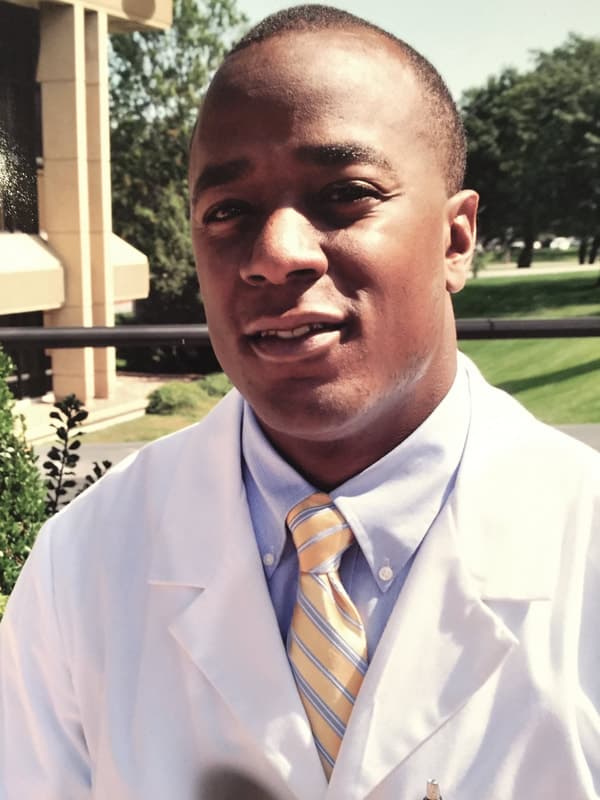
KC Wellness and Physiotherapy was founded by Dr. Kowin Casey, DC, a chiropractic physician who received a certification in physiotherapy with an emphasis in sports rehabilitation.
Common Questions About Scoliosis
How long does scoliosis treatment take?
Scoliosis is usually managed over time rather than cured. Care is often more frequent at first, while pain and mobility are the focus, and then shifts to occasional maintenance visits and a home exercise program. Children and teens need their curve monitored through their growth years, while adults with degenerative scoliosis often benefit from periodic care to manage symptoms and keep moving well.
Can chiropractic care straighten my spine?
Chiropractic care cannot reverse an established structural scoliosis curve, and it is important to have realistic expectations. For some people, care may help improve spinal mobility, ease muscle imbalances and pain, and support better posture and function within the limits of the curve. The primary goal is comfort and function rather than structural correction.
Is care available for children and teens with scoliosis?
Pediatric care is one of the services the practice offers, and Dr. Casey works with local schools and students. For a growing child or teen, care focuses on comfort, posture and strength. Monitoring of the curve and any decisions about bracing or surgery belong with an orthopedic specialist, and Dr. Casey will recommend that referral when it is needed.
Does insurance cover scoliosis treatment?
We accept all major insurance plans. Call our office at (913) 424-2410 to confirm your coverage before your visit.
What if conservative treatment isn't working?
Many people with scoliosis do well with conservative care for pain and function. If your curve is large, progressing quickly or causing significant problems despite appropriate care, Dr. Casey will recommend an evaluation by an orthopedic specialist. Surgery may be considered for severe cases, but it is typically reserved for situations where conservative approaches have been tried and quality of life is substantially affected.
Can telehealth appointments work for scoliosis treatment?
Hands-on chiropractic care and soft tissue work require an office visit, but telehealth can help with parts of scoliosis care, such as reviewing progress, checking home exercise technique, and talking through posture at school or work. You can combine in-person visits with telemedicine follow-ups when that makes sense for your care.
Related Conditions
Service
Chiropractic & Spinal Corrective Care
Gentle chiropractic care to improve joint motion and ease discomfort, for children, teens and adults.
Service
Physiotherapy & Rehabilitation
Therapeutic exercise for core stability, posture and balanced strength.
Related Condition
Posture Dysfunction
How posture habits lead to pain and muscle imbalances, and how they can be retrained.
Get Help for Scoliosis
You don't have to face scoliosis alone. Book an evaluation with Dr. Casey at our Kansas City office, or call (913) 424-2410 with any questions.