
Sports Injuries Treatment in Kansas City
Whether you compete in school sports or play on the weekends, an injury can take you out of the game. Dr. Kowin Casey, a former NCAA athlete with a certification in Physiotherapy, emphasis in Sports Rehabilitation, combines chiropractic care, physiotherapy and hands-on soft tissue work to help you heal, rebuild strength and return to the activities you love.
Understanding Sports Injuries
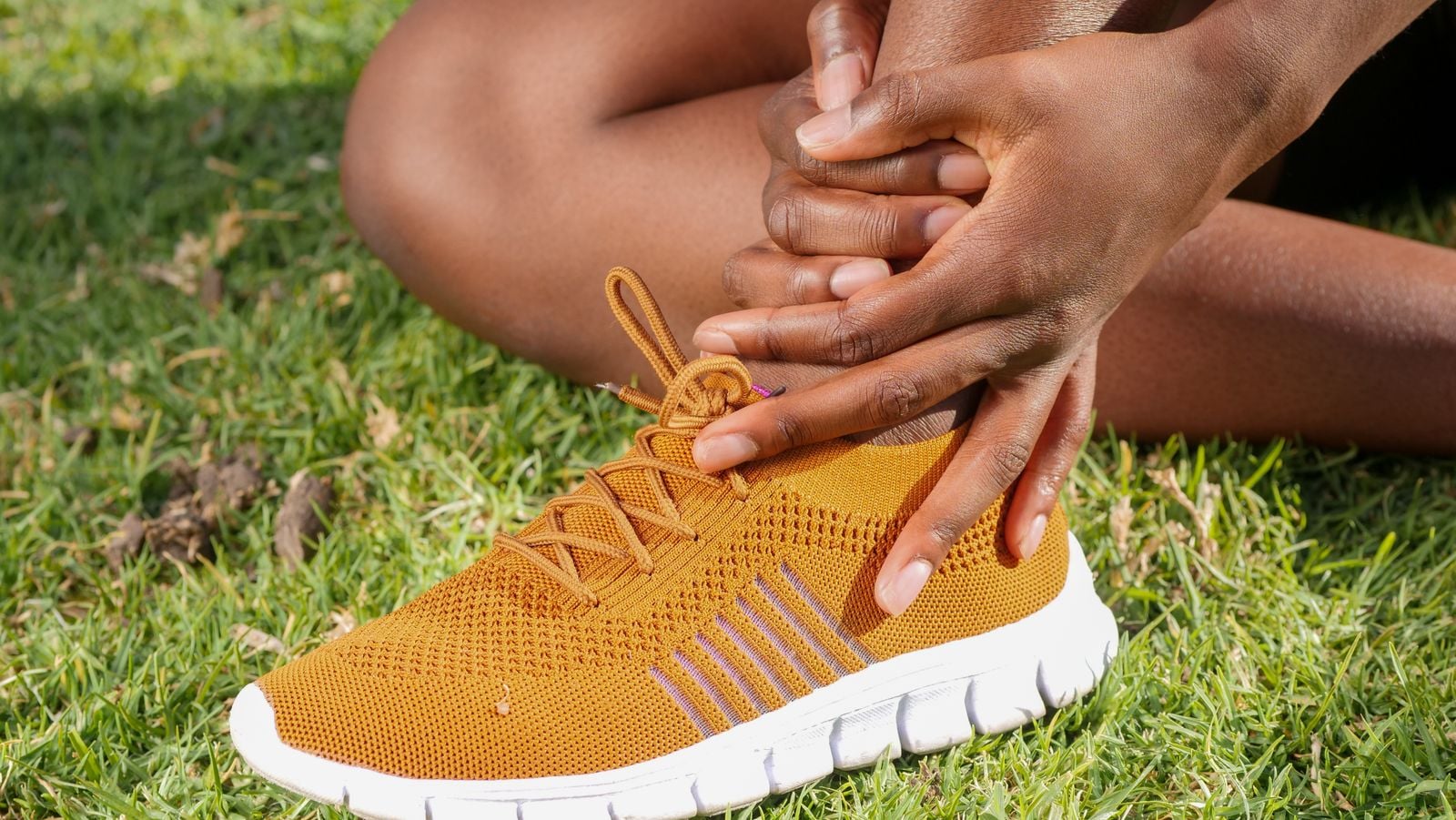
Sports injuries cover a wide range of musculoskeletal problems that happen during athletic activity, from sudden injuries like sprains and strains to overuse conditions such as tendinitis that build up over time. They affect athletes of every age and level, from students in school sports to adult runners and recreational players. Beyond the physical pain, an injury can disrupt work, training and daily life, and it often brings frustration and worry about losing ground or getting hurt again. An accurate assessment and a clear plan make a real difference to how smoothly recovery goes.
Sports injuries usually arise from a mix of factors. Acute injuries typically result from sudden trauma: a collision in contact sports, an awkward landing, or more force than a joint, muscle or ligament can handle. Overuse injuries develop gradually through repetitive stress, too little recovery time, technique problems or training errors such as increasing intensity too quickly. Common risk factors include a previous injury, which raises the risk of getting hurt again, muscle imbalances and poor flexibility, skipping a proper warm-up, poorly fitting equipment or footwear, uneven or unsafe playing surfaces, and underlying mechanical issues in posture or the way you move. Fatigue, dehydration and weather can play a part too. Athletes who specialize in a single sport year-round tend to face more overuse injuries, while those who cross-train and build in rest spread the load more evenly.
Rest and over-the-counter pain relievers can ease symptoms for a while, but they do not address the movement patterns, joint restrictions or weak links that often set an injury up. Left alone, an acute injury can linger and lead to compensation patterns that strain other parts of the body. Getting assessed early makes it easier to protect healing tissue and plan a safe return to activity. At KC Wellness and Physiotherapy, Dr. Casey looks at the whole kinetic chain, not just the sore spot, and draws on his background as a former NCAA athlete, assistant coach and strength and conditioning specialist to build a plan around your sport and your goals.
Signs & Symptoms of Sports Injuries
- Sudden Sharp Pain: Immediate, intense pain at the moment of injury that may worsen with movement or weight-bearing.
- Visible Swelling or Bruising: Rapid swelling, discoloration, or bruising around the injured area indicating tissue damage and inflammation.
- Limited Range of Motion: Inability to move the joint or limb through its normal range due to pain, swelling, or mechanical restriction.
- Joint Instability: Feeling that a joint is giving way, loose, or unable to support normal weight or stress.
- Audible Pop or Snap: Hearing or feeling a popping, snapping, or tearing sensation at the time of injury, often indicating ligament or tendon damage.
- Inability to Bear Weight: Unable to put weight on the injured limb or joint without significant pain or collapse.
- Visible Deformity: Abnormal appearance of the joint or limb, suggesting dislocation, fracture, or severe soft tissue damage. This needs urgent medical attention.
- Gradual Onset Pain: Pain that develops slowly over weeks or months, initially mild but progressively worsening with continued activity.
- Morning Stiffness: Increased stiffness and discomfort after periods of rest, particularly first thing in the morning or after sitting.
- Pain with Specific Movements: Discomfort that occurs with particular motions or activities, especially those involving repetitive movements.
- Decreased Performance: Noticeable decline in athletic performance, endurance, speed, or ability to execute skills at previous levels.
- Persistent Aching: Dull, constant ache that persists even with rest, often worse after activity or at the end of the day.
- Compensatory Movement Patterns: Unconsciously altering technique or favoring one side to avoid pain, which can lead to secondary injuries.
- Localized Tenderness: Specific tender spots that are painful to touch, indicating irritation of muscles, tendons, or other soft tissues.
- Reduced Flexibility: Progressive loss of flexibility and range of motion in affected muscles or joints, limiting performance and increasing injury risk.
What to Expect
- A hands-on assessment of the injured area and the movement patterns around it
- Care that combines chiropractic adjustments, physiotherapy and soft tissue work such as Active Release Technique and dry needling
- Sport-specific rehabilitation to prepare you for a safe return to play
- Prevention guidance shaped by Dr. Casey's strength and conditioning background
How We Treat Sports Injuries
Comprehensive Assessment
Dr. Casey begins with a thorough evaluation: how the injury happened, your training history, orthopedic testing, and a look at posture, joint mobility, strength, flexibility and sport-specific movement. If imaging is needed to rule out a fracture or other structural injury, it may be recommended or referred, so the plan rests on an accurate picture of the problem.
Personalized Treatment Plan
Your plan is built around the injury, your sport and your goals. Depending on what the assessment shows, it may combine chiropractic adjustments, physiotherapy and therapeutic exercise, Active Release Technique and myofascial release, dry needling, kinesio taping and Class IV laser therapy for pain reduction. Each piece is chosen to calm pain, restore motion and rebuild strength while addressing the mechanics that contributed to the injury.
Ongoing Care & Prevention
Dr. Casey reassesses your progress as you heal and adjusts the plan through each stage of rehabilitation. As you approach a return to sport, the focus shifts to prevention: corrective exercise, technique changes, training load guidance and, when helpful, personalized nutrition and sports coaching to support recovery and long-term performance.
Benefits
A Doctor Who Knows Sport
Dr. Kowin Casey lettered in football and track as an NCAA athlete at the University of Central Missouri, later served as an assistant coach for the Mules and Jennies athletic programs, and received a certification in Physiotherapy with an emphasis in Sports Rehabilitation.
Schools, Students and Team Physicals
Dr. Casey works with local schools and students, and the office offers sports and team physicals, so care can be planned around the demands of a school or club season.
Many Therapies Under One Roof
Chiropractic care, physiotherapy, Active Release Technique, dry needling, kinesio taping and Class IV laser therapy are all available in one office at 1815 Grand Blvd. in Kansas City.
Convenient Care Options
Send an appointment request online and our office will call you to confirm a time, or call (913) 424-2410. Visits are by appointment only. Office hours are Monday to Thursday, 7:00 AM – 6:00 PM, Friday, 7:00 AM – 6:30 PM, and Saturday, 7:00 AM – 1:00 PM. Telemedicine visits by voice and video are also available when you cannot make it to the office.
Your Treatment Journey
First Evaluation
Your first visit covers your history, a physical examination and a movement assessment. Dr. Casey explains what he finds, answers your questions and outlines a plan that fits your injury and your season. Imaging may be recommended if it is needed to guide care.
Active Treatment
Early care focuses on calming pain and inflammation, protecting healing tissue and restoring range of motion. Hands-on treatment is paired with gentle exercises, and the intensity of care progresses as the tissue heals, from pain management and gentle mobility toward active soft tissue work, strengthening and functional movement.
Functional Recovery
As pain settles, the emphasis shifts to strength, balance and sport-specific movement. Progress is checked against functional goals before activity levels increase, and sport-specific training is reintroduced step by step under controlled conditions.
Return to Sport & Prevention
Before a full return, Dr. Casey checks strength, flexibility, stability and sport-specific movement. You leave with guidance on warm-ups, training load and technique to lower the risk of re-injury. Periodic check-ins during the season can help catch small issues early.
Treatment Options for Sports Injuries
Care for sports injuries at KC Wellness and Physiotherapy draws on the services the office offers, matched to your injury and your stage of healing. Chiropractic adjustments help restore motion in the spine, where restrictions can add strain to injured or compensating areas. Active Release Technique and myofascial release target scar tissue, adhesions and tight muscle, a common source of overuse pain. Dry needling, with optional electrical stimulation, may provide relief for muscular pain and stiffness and may improve flexibility and range of motion. Kinesio taping offers support for injuries without restricting motion, and Class IV laser therapy is used for pain reduction.
Physiotherapy and therapeutic exercise progress from gentle range of motion work to strengthening, balance and sport-specific drills, rebuilding capacity and resilience. Throughout your care, Dr. Casey explains activity modification, technique, training progression and self-care so you can take an active part in your recovery and in preventing the next injury.
Acute vs. Chronic Sports Injuries
Acute injuries happen suddenly, such as a sprained ankle, a pulled hamstring or a sprained wrist, and usually bring immediate pain and sometimes swelling or bruising. Chronic or overuse injuries build gradually from repeated stress, such as tendinitis or persistent joint irritation, and often start as a nagging ache that worsens with activity. Both deserve attention: an acute injury that is not rehabilitated well can leave lasting weakness, and an overuse injury tends to keep returning until the training load or movement pattern behind it changes.
If you have severe pain, an obvious deformity, or cannot bear weight on the injured limb, seek urgent medical care first.
Recovery Timeline Note
Recovery time varies widely with the type and severity of the injury, your overall health and how closely the plan is followed. A mild sprain may settle fairly quickly, while a significant ligament injury or a long-standing overuse problem can take considerably longer. Dr. Casey will give you realistic expectations for your situation and adjust care as your recovery progresses.
About the practice
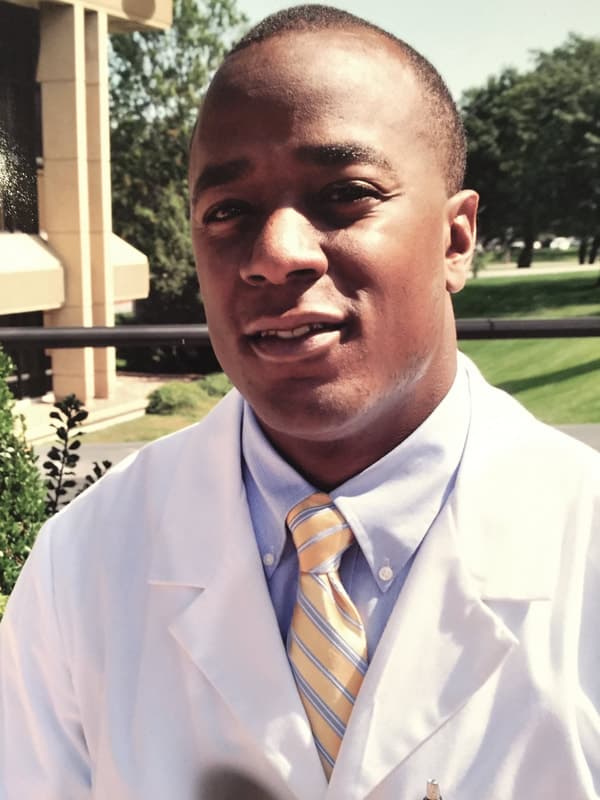
KC Wellness and Physiotherapy was founded by Dr. Kowin Casey, DC, a chiropractic physician who received a certification in physiotherapy with an emphasis in sports rehabilitation.
Common Questions About Sports Injuries
How long does sports injury treatment take?
It depends on the injury. Minor strains and sprains often improve relatively quickly with appropriate care, while more significant ligament injuries, stress injuries or long-standing tendon problems can take much longer. Severity, previous injuries, age, overall health, how consistently you follow the plan and the physical demands of your sport all affect recovery. Dr. Casey will give you an estimate based on your examination and reassess along the way, so activity only increases when you are ready for it.
Will I need to stop playing sports completely during treatment?
Not always. Activity modification depends on your specific injury and its severity. Acute injuries usually need a period of relative rest from the aggravating activity to allow initial healing, but complete immobilization is rarely helpful. Modified training is often the better option. For example, a runner with a stress injury might maintain fitness through swimming or cycling while avoiding impact. For overuse injuries, training volume, intensity or specific movements may be reduced while you continue other parts of your sport. As healing progresses, sport-specific activities are reintroduced in a controlled progression. Stopping completely is usually only necessary for severe acute injuries or when continuing would risk a more serious injury.
Does insurance cover sports injury treatment?
We accept all major insurance plans. Call our office at (913) 424-2410 to confirm your coverage before your visit.
What if my sports injury isn't improving with treatment?
If you are not progressing as expected, Dr. Casey takes a systematic look at why. That can mean re-checking the diagnosis, reviewing your activity level and home exercises, and considering factors such as sleep, nutrition and stress that affect healing. The treatment plan or exercise program may be changed. When it is needed, imaging may be recommended, or you may be referred to a medical specialist, such as an orthopedic physician, for further evaluation. The goal is the right care for your situation, even when that means a referral to another provider.
Can I use telehealth for sports injury treatment?
Hands-on care such as adjustments, Active Release Technique, dry needling and laser therapy requires an office visit, but KC Wellness and Physiotherapy also offers telemedicine appointments by voice and video. A virtual visit can be a practical way to talk through symptoms, go over your home exercises and check on progress when you cannot come in. Telemedicine visits are billed just like a regular office visit.
How can I prevent future sports injuries?
Prevention is built into care from the start. Helpful habits include a proper warm-up and cool-down for your sport, increasing training volume gradually rather than in big jumps, allowing enough recovery between hard sessions, cross-training so the same tissues are not overloaded, keeping up flexibility and mobility work, and strength training that matches the demands of your sport. Dr. Casey assesses movement patterns that raise injury risk, teaches technique for sport-specific movements and builds exercise programs that address muscle imbalances. Proper footwear and protective gear matter, and so do nutrition, hydration, sleep and stress management. Personalized nutrition and sports coaching are available if you would like support with those.
Related Conditions
Service
Sports Injury Care & Team Physicals
Injury care, rehabilitation and sports and team physicals for students and athletes, guided by Dr. Casey's background in sports rehabilitation.
Service
Physiotherapy & Rehabilitation
Therapeutic exercise and rehabilitation to restore range of motion, strength and balance after an injury.
Service
Active Release Technique & Myofascial Release
Hands-on soft tissue work aimed at scar tissue, adhesions and tight muscle, common in overuse sports injuries.
Get Help for Sports Injuries Today
You don't have to face a sports injury alone. Dr. Casey can help you recover, rebuild strength and plan a safe return to your sport.