
Post-Surgical Rehabilitation in Kansas City
Surgery repairs the structure. Rehabilitation helps you get your movement, strength and confidence back. At KC Wellness and Physiotherapy, Dr. Kowin Casey builds a physiotherapy and rehabilitation plan around your procedure, your surgeon's precautions and the activities you want to return to.
Understanding Post-Surgical Rehabilitation
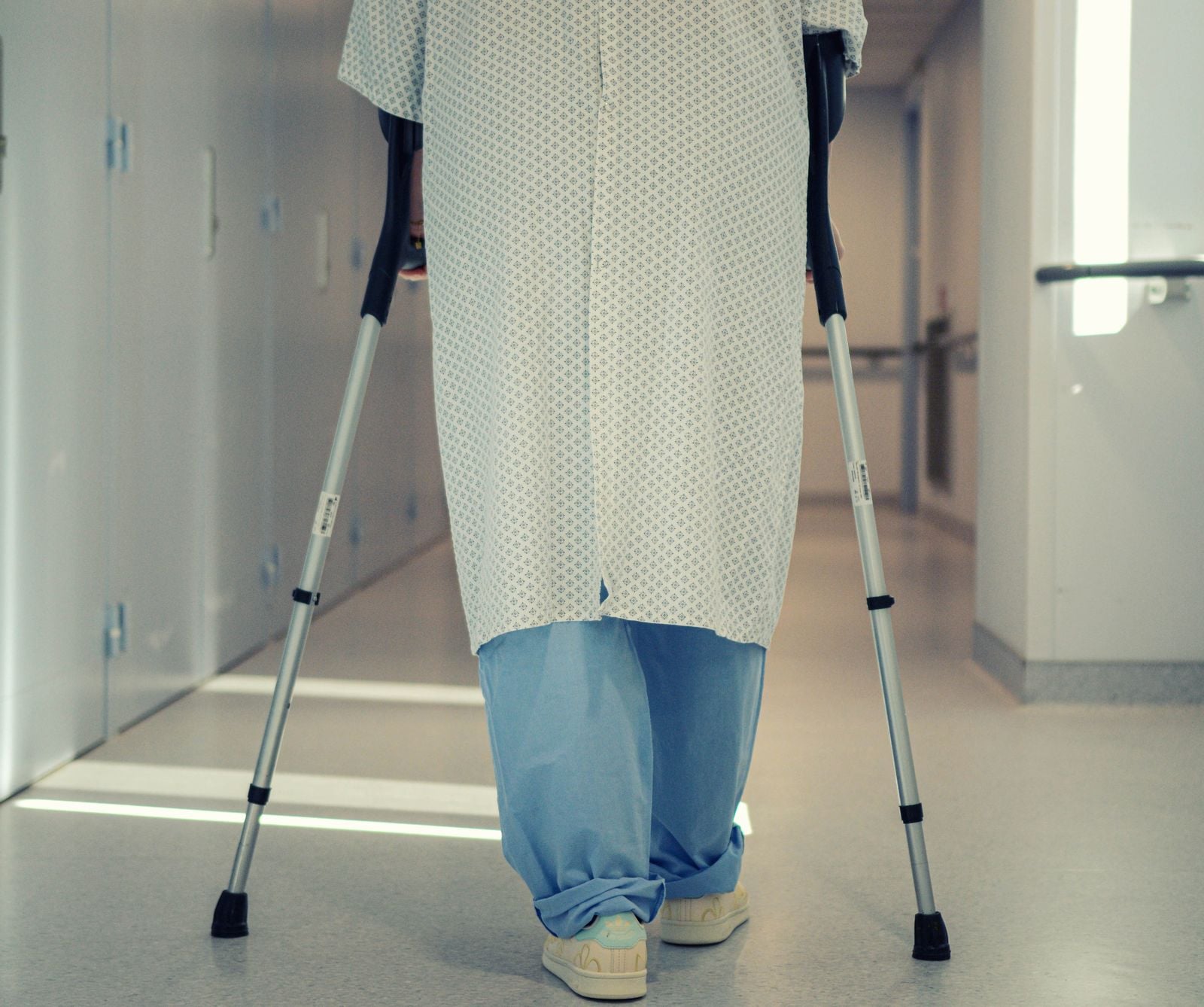
Post-surgical rehabilitation is the structured recovery work that follows an operation. Whether you have had orthopedic surgery, a spinal procedure, a joint replacement or a soft tissue repair, the recovery period afterward plays a large part in how well you end up moving. Surgery addresses the structural problem, but rehabilitation is where movement, strength, flexibility and everyday function are rebuilt. Without it, people can be left with stiffness, weakness, lingering pain, or habits of favoring the surgical area that create problems elsewhere.
Many factors shape what rehabilitation looks like. The type and extent of the surgery matter most: a joint replacement, a spinal fusion or a ligament reconstruction usually calls for a longer, more gradual program than a minor procedure. Your fitness before surgery, your age, your general health and nutrition, and conditions such as diabetes or heart disease all influence how tissues heal. Motivation, sleep, stress, support at home and consistency with home exercises matter too. Understanding these factors allows Dr. Casey to build a plan around your circumstances rather than a one-size-fits-all protocol.
The period after surgery is when healthy movement patterns need to be re-established and strength rebuilt step by step. A common cycle follows many operations: protective muscle guarding leads to weakness, weakness leads to compensation, compensation creates new pain, and pain reinforces guarding. Physiotherapy and rehabilitation aim to break that cycle with gradual, well-timed progression. Your surgeon's instructions and precautions always come first, so bring any restrictions or rehabilitation protocol you were given to your first visit, and your plan will be built to respect them.
Signs You Need Post-Surgical Rehabilitation
- Difficulty With Daily Activities: Trouble dressing, bathing, walking or climbing stairs without pain or help.
- Limited Range of Motion: Joints feel stiff or tight, or will not move through their normal range after surgical repair or immobilization.
- Muscle Weakness: Noticeable loss of strength in the affected area after a period of immobilization or protective guarding.
- Balance and Coordination Problems: Feeling unsteady, or worried about falling, after lower body or spinal surgery.
- Trouble Returning to Work or Activity: Recovery has stalled and you are not yet able to do your job or your usual activities.
- Compensatory Movement Patterns: New aches in other areas because you have been favoring the surgical side.
- Persistent Pain Near the Surgical Site: Ongoing pain, already reviewed by your surgeon, that keeps interfering with movement and daily function.
- Lingering Swelling: Swelling or stiffness around the surgical area, already checked by your surgeon, that limits how you move.
- Scar Tissue Restrictions: Tightness or a pulling sensation around a healed incision that restricts movement.
- Fear of Movement: Worry about using the surgical area that leads you to avoid it, which can slow recovery and add weakness.
- Decreased Endurance: Tiring quickly and not yet able to sustain your usual level of activity or exercise.
- Frustration With Progress: Feeling discouraged, unsure which exercises to do, or missing clear recovery milestones.
What to Expect
- A plan built around your specific surgery, your recovery stage and your surgeon's precautions
- Physiotherapy and therapeutic exercise aimed at rebuilding range of motion, strength and everyday function step by step
- Hands-on soft tissue care, such as Active Release Technique and myofascial release, when it suits your stage of healing
- Progressive exercise that challenges healing tissues safely and discourages compensating habits
- Clear guidance on activity modification, plus a home exercise program to follow between visits
- Care directed by Dr. Kowin Casey, who received a certification in physiotherapy with an emphasis in sports rehabilitation
How Dr. Casey Approaches Post-Surgical Rehabilitation
Thorough Assessment
Your first visit starts with your surgical history, current limitations, pain levels and goals. Dr. Casey assesses range of motion, strength and how you move, looking for compensations that have developed since surgery. Bring your surgeon's instructions, precautions and any rehabilitation protocol so your plan lines up with your healing timeline.
Individualized Plan
Your plan is designed for your procedure, your stage of recovery and your goals. It moves through phases that address pain and swelling, soft tissue mobility, range of motion, strength and functional movement, with clear milestones so you can see your progress and the plan can be adjusted as you heal.
Ongoing Care and Progression
Rehabilitation is monitored and adjusted as you go. Care may combine physiotherapy, supervised therapeutic exercise and home exercise guidance, with Active Release Technique or Kinesio taping when they fit your situation. As you improve, the work becomes more demanding and more specific to your job, sport or daily life, preparing you to return with confidence.
Benefits
Physiotherapy Training
Dr. Kowin Casey is a licensed chiropractic physician with a certification in physiotherapy, emphasis in sports rehabilitation.
Personalized Approach
Every rehabilitation plan is built around your specific surgery, recovery stage, functional goals and daily demands.
Strength and Conditioning Background
Dr. Casey is a strength and conditioning specialist, which helps when your goal is getting back to sport, training or physically demanding work.
Telemedicine Visits Available
Virtual appointments can be useful for questions and check-ins between office visits. Hands-on assessment and treatment take place in the office.
Your Treatment Journey
First Evaluation
Your first appointment covers your surgical history, current physical status, pain and functional limits, with baseline measures of range of motion, strength and movement quality. Together you set realistic goals, and you leave understanding your precautions, your first exercises and what to expect next.
Early Rehabilitation
Early care focuses on calming pain and swelling, restoring early range of motion, limiting muscle loss and establishing good movement habits. Progress is gentle and respects surgical healing, avoiding anything that could compromise the repair. How often you are seen is set with you, based on your procedure and your progress.
Building Strength and Function
As healing allows, the work shifts toward strengthening, balance, control and movements specific to your life. Progress is reviewed against your starting measures, and as you become more independent with your exercises, visits typically become less frequent.
Return to Activity
The final phase focuses on returning to full activity, whether that means work, sport or everyday life, and on the habits that keep you there. Recovery timelines vary widely with the procedure and the person. You leave with a home program, a clear idea of which warning signs to report, and support if you need it later.
Services That Can Support Your Recovery
Post-surgical care at KC Wellness and Physiotherapy centers on physiotherapy and rehabilitation: therapeutic exercise to restore range of motion and rebuild strength, balance and coordination work, and practice with the movements your daily life requires. Hands-on care, including Active Release Technique and myofascial release, may be used to address tightness around healed tissue and protective muscle tension.
Kinesio taping is another option Dr. Casey may use. Kinesiology tape may offer relief of pain, swelling and bruising and support for injuries without restricting motion. For patients working toward sport or training, Dr. Casey's background as a strength and conditioning specialist, along with personalized nutrition coaching, can support the later stages of recovery. Throughout, the aim is education as much as treatment, so you understand your healing process and can take an active role in your recovery.
When to Call Your Surgeon First
Rehabilitation does not replace your surgeon's follow-up care. Contact your surgeon or seek medical care promptly for fever, redness, warmth or drainage at the incision, new calf pain or swelling, new numbness, tingling or weakness, or pain that is quickly getting worse, and call emergency services for sudden shortness of breath or chest pain. If you recognize the other signs above and your surgeon has cleared you for rehabilitation, call our office at (913) 424-2410 or send an appointment request online to get started.
About the practice
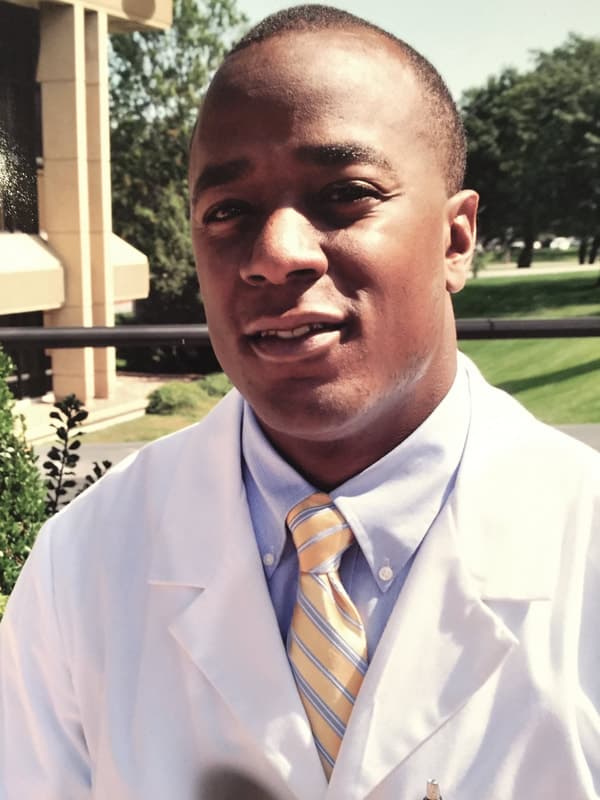
KC Wellness and Physiotherapy was founded by Dr. Kowin Casey, DC, a chiropractic physician who received a certification in physiotherapy with an emphasis in sports rehabilitation.
Common Questions About Post-Surgical Rehabilitation
How long does post-surgical rehabilitation take?
It depends on the type of surgery, how involved the procedure was, your condition before surgery and how your body heals. A minor arthroscopic procedure generally needs a shorter course of rehabilitation than a joint replacement or a spinal surgery. Visits are usually more frequent early on and taper as you become more independent with your home exercises. Dr. Casey will discuss realistic expectations at your first evaluation and adjust them as you progress.
When should I start rehabilitation after surgery?
That depends on your procedure and your surgeon's protocol. Some surgeries call for early movement to prevent stiffness, while others need a longer protected healing period before formal rehabilitation begins. Follow your surgeon's clearance, and bring any written precautions or protocol to your first visit so your plan can follow them.
Will rehabilitation be painful?
Rehabilitation should involve manageable discomfort rather than significant pain. Mild muscle soreness as you rebuild strength is normal and expected. Sharp pain, a jump in swelling, or symptoms that last well beyond a session are signs the program needs adjusting. Always tell Dr. Casey when an activity or exercise causes more than mild discomfort so it can be modified.
Does insurance cover post-surgical rehabilitation?
We accept all major insurance plans. Call our office at (913) 424-2410 to confirm your coverage before your visit.
What if I'm not progressing as expected?
Plateaus are a normal part of recovery. If progress stalls despite consistent care and home exercise, Dr. Casey will reassess to look for barriers such as pain that is not well controlled, poor sleep, nutrition, stress or another health issue. The plan may be modified, imaging may be recommended, or you may be advised to follow up with your surgeon to rule out a complication.
Can post-surgical rehabilitation be done through telehealth?
Some parts can. KC Wellness and Physiotherapy offers telemedicine visits, which can be useful for questions and progress check-ins between office visits. Hands-on assessment and treatment happen in the office, and early rehabilitation in particular usually benefits from in-person care. For a virtual visit, a nurse calls you first to take your history, and then you join Dr. Casey by video from a smartphone or computer.
Related Conditions
Service
Physiotherapy & Rehabilitation
Therapeutic exercise and rehabilitation to rebuild range of motion, strength and everyday function.
Service
Active Release Technique & Myofascial Release
Hands-on soft tissue care that may help ease tightness and restricted movement.
Service
Kinesio Taping
Therapeutic tape that supports injured areas without restricting motion.
Get Help With Post-Surgical Rehabilitation
You do not have to navigate recovery alone. Dr. Casey meets people where they are and will help you build a plan to return to the activities you care about.