
TMJ Dysfunction Treatment in Kansas City
Temporomandibular joint dysfunction is common and can cause jaw pain, clicking, headaches and trouble chewing. At KC Wellness and Physiotherapy, Dr. Kowin Casey looks at the jaw, neck and posture together and uses conservative, hands-on care to help ease pain and restore comfortable jaw movement.

Understanding TMJ Dysfunction
Temporomandibular joint (TMJ) dysfunction, also called TMD or temporomandibular disorder, refers to a group of conditions affecting the jaw joint and the muscles that control jaw movement. The temporomandibular joint connects the jawbone to the skull and works like a sliding hinge on each side of the jaw. TMJ dysfunction develops when this system of muscles, ligaments, discs and bones is strained, irritated or injured. TMJ disorders are common, and women experience them more often than men. The effect on daily life can be significant: people often struggle with eating, speaking and sleeping, and facial pain can spread to the neck and shoulders.
Many factors can contribute to TMJ dysfunction. Trauma such as whiplash or a direct blow to the jaw can injure the joint. Habits like teeth grinding (bruxism) or jaw clenching, often linked to stress or happening during sleep, put heavy pressure on the joint and surrounding muscles. Arthritis, including osteoarthritis and rheumatoid arthritis, can affect the joint cartilage. Bite problems can make the jaw work harder during normal use, leading to muscle fatigue and joint strain. Poor posture, particularly the forward head position common in desk workers, changes how the jaw and neck muscles work together. Other factors include connective tissue conditions and long dental procedures that strain the joint.
TMJ symptoms sometimes settle on their own, but when they persist, self-care alone may not address the muscle tension, posture and movement habits that keep them going. Long-standing TMJ problems can lead to ongoing pain, disrupted sleep and changes in how the jaw moves. At KC Wellness and Physiotherapy, Dr. Kowin Casey's conservative approach looks for the factors driving your symptoms and addresses them with hands-on soft tissue work such as Active Release Technique and myofascial release, chiropractic care for the neck and upper back, posture training, jaw exercises and education. When a bite evaluation or dental appliance may be needed, he will recommend that you see your dentist.
Signs & Symptoms of TMJ Dysfunction
- Jaw Pain or Tenderness: Aching or sharp pain around the jaw joint, often worse with chewing or talking.
- Clicking or Popping: Clicking, popping or grating sounds when opening or closing the mouth, sometimes with a catching feeling.
- Limited Jaw Movement: Trouble opening the mouth fully, or a jaw that briefly locks open or closed.
- Difficulty Chewing: Pain or discomfort while eating, especially with hard or chewy foods.
- Facial Pain: Aching around the jaw, cheeks or temples, sometimes with swelling on one or both sides.
- Ear Pain or Fullness: Earache, pressure or ringing in the ears without an ear infection, because the joint sits just in front of the ear.
- Tension Headaches: Headaches, often in the temples, linked to tension in the jaw muscles.
- Neck and Shoulder Pain: Discomfort spreading from the jaw into the neck and upper shoulders.
- Bite Changes: A feeling that your teeth no longer fit together the way they used to.
- Teeth Grinding or Clenching: Grinding or clenching during sleep or stress, leaving the jaw sore or tired on waking.
- Sleep Disruption: Trouble sleeping because of jaw pain, nighttime clenching or waking with facial discomfort.
- Speech Fatigue: Jaw tiredness or strain when speaking for long periods.
- Stress and Tension: Stress that increases muscle tension and clenching, which can feed a cycle of pain.
What to Expect
- An evaluation with Dr. Casey of jaw movement, neck posture, range of motion and muscle tension to find the factors contributing to your symptoms
- Active Release Technique and myofascial release for tight jaw, neck and shoulder muscles
- Chiropractic care for the neck and upper back when posture and neck function are contributing
- Jaw and posture exercises you can do at home, plus self-care and stress management strategies
- A recommendation to see your dentist when a bite evaluation or night guard may be needed
- Progress checks that adjust your plan as your symptoms improve
How Dr. Casey Approaches TMJ Dysfunction
Thorough Evaluation
Your first visit includes an evaluation of jaw movement, neck and upper back posture, range of motion and muscle tension. Dr. Casey looks for contributing factors such as clenching, grinding or posture habits, and takes a detailed history to understand your symptom patterns, triggers and how TMJ dysfunction affects your daily life.
Personalized Treatment Plan
Based on your evaluation, Dr. Casey designs a plan that may combine Active Release Technique and myofascial release, chiropractic care for the neck and upper back, targeted exercises and education. The plan addresses pain relief along with the habits and mechanics behind it, and he will recommend that you see your dentist when a bite or appliance question comes up.
Ongoing Care & Prevention
Follow-up visits track your progress and adjust care as you improve. You learn self-care techniques, stress management strategies and posture changes that help prevent flare-ups. As jaw function improves, the focus shifts to managing minor flare-ups on your own and knowing when to check back in.
Benefits
Care Directed by Dr. Casey
Your evaluation and care are directed by Dr. Kowin Casey, a licensed chiropractic physician who also received a certification in physiotherapy with an emphasis in sports rehabilitation.
Jaw, Neck and Posture Together
Because the jaw, neck and upper back work as a unit, Dr. Casey looks beyond the jaw joint itself to posture, neck function and daily habits.
Telehealth Available
Virtual visits by phone and video can be an option for some follow-ups, such as reviewing jaw exercises and self-care, when getting to the office is difficult.
Conservative, Hands-On Care
Care centers on soft tissue work, gentle joint care, exercise and education, with a personalized plan rather than a one-size-fits-all protocol.
Your Treatment Journey
First Evaluation
Your first visit includes an evaluation, a discussion of your symptom history and an explanation of what Dr. Casey finds and how he plans to address it. You leave with self-care strategies you can start right away and a clear understanding of next steps.
Early Care
Early visits focus on hands-on soft tissue care, exercise instruction and symptom management. Dr. Casey adjusts the plan based on how you respond and teaches self-care techniques you can use at home.
Progress Review
As symptoms improve, visits typically become less frequent. Your exercise program advances, remaining limitations are addressed and your self-management strategies are refined. How quickly people improve varies with severity and contributing factors.
Long-Term Management
Once you reach your goals, care moves to an as-needed basis. Some people check back in during stressful periods or after dental work, while others manage on their own with the skills they have learned. Support is available if symptoms return.
Treatment Options for TMJ Dysfunction
Active Release Technique and myofascial release: Hands-on soft tissue work for tight chewing muscles such as the masseter and temporalis, and for the neck and shoulder muscles that often tighten along with them.
Chiropractic and spinal corrective care: Gentle care for the neck and upper back when posture and neck function are part of the problem.
Physiotherapy and rehabilitation: Exercises to improve jaw control and coordination, restore balanced movement and correct posture habits such as a forward head position.
Dry needling: For trigger points in the neck and shoulder muscles, dry needling may be considered when it suits your symptoms.
Self-care education: Jaw rest, softer foods during flare-ups, heat or cold at home, stress reduction and sleep position. Because stress often drives clenching, relaxation-focused recovery therapies may be a helpful addition for some people.
Working with your dentist and physician: When a night guard, bite evaluation or imaging of the joint may be needed, Dr. Casey will recommend that you see your dentist or physician. Questions about medication belong with your physician or dentist.
Setting Realistic Expectations
Many people improve with conservative care, and some respond more quickly than others. Long-standing cases, or those with changes in the joint itself, may take longer, and complete resolution is not always possible. The goal is less pain, easier jaw movement and the tools to manage flare-ups.
When to Seek Care
If you recognize these signs, help is available, and an evaluation can clarify your options. A jaw that locks and will not open or close needs prompt attention, and jaw pain that comes with chest pain, shortness of breath or sweating can be a sign of a heart problem. Seek emergency medical care right away in that situation.
About the practice
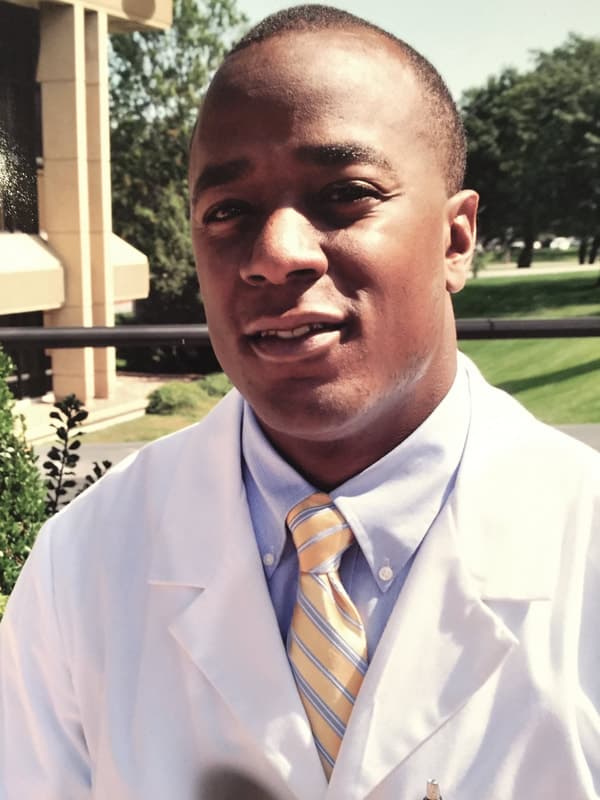
KC Wellness and Physiotherapy was founded by Dr. Kowin Casey, DC, a chiropractic physician who received a certification in physiotherapy with an emphasis in sports rehabilitation.
Common Questions About TMJ Dysfunction
How long does TMJ dysfunction treatment take?
It varies. Some people notice improvement fairly early, while long-standing or more severe cases can take longer. Factors that affect the timeline include how long you have had symptoms, whether the joint itself has changed, how consistently you do your home exercises, stress levels and any dental issues. Dr. Casey will give you his honest view after your evaluation.
Is medication required for TMJ dysfunction?
Many people manage TMJ dysfunction without prescription medication, using hands-on care, exercise and changes to daily habits. Some people use over-the-counter pain relievers during flare-ups, and in some cases a physician or dentist may prescribe other medication. Chiropractic physicians do not prescribe medication, so those questions belong with your physician or dentist.
Does insurance cover TMJ dysfunction treatment?
We accept all major insurance plans. Call our office at (913) 424-2410 to confirm your coverage before your visit.
What if chiropractic treatment isn't working for my TMJ?
If you are not progressing as expected, Dr. Casey will reassess your condition and adjust your plan. He may recommend that you see your dentist to evaluate your bite or discuss a night guard, an oral surgeon to look at structural issues, or your physician about imaging or other options. The aim is to get you to the care that fits your situation.
Can telehealth work for TMJ dysfunction treatment?
Telehealth can help with parts of TMJ care, such as follow-up visits to check progress, reviewing jaw and posture exercises, and talking through self-care and stress management. Hands-on soft tissue work and chiropractic care require an office visit. You can combine in-person visits with telemedicine follow-ups when that makes sense for your care.
Will I need surgery for TMJ dysfunction?
Most people with TMJ dysfunction improve with conservative care and never need surgery. Surgery is generally considered only after conservative care has been thoroughly tried and when a specific structural problem is identified, such as a displaced disc that keeps the jaw locked or advanced joint degeneration. Even then, less invasive procedures are usually tried first. Those decisions belong with an oral surgeon or other specialist.
Related Conditions
Service
Active Release Technique & Myofascial Release
Hands-on soft tissue work for tight jaw, neck and shoulder muscles.
Service
Chiropractic & Spinal Corrective Care
Gentle care for the neck and upper back when posture contributes to jaw pain.
Related Condition
Headaches and Migraines
Tension headaches often share muscle triggers with TMJ dysfunction.
Get Help for TMJ Dysfunction
You don't have to face TMJ dysfunction alone. Book an evaluation with Dr. Casey at our Kansas City office, or call (913) 424-2410 with any questions.