
Using Muscle Scraping to Reduce Surgical Scar Tissue and Regain Function
Muscle scraping (IASTM) can help minimize post-surgical adhesions, restore tissue mobility, and accelerate rehabilitation after orthopedic procedures.
What to Expect
- Surgical incisions and internal trauma create scar tissue that can restrict motion and cause pain
- Muscle scraping breaks up adhesions and remodels scar tissue to restore normal tissue mobility
- Treatment is typically introduced after initial wound healing, as cleared by your surgeon
- Combining scraping with physiotherapy exercises maximizes functional recovery and range of motion
- Early intervention with controlled scraping can prevent chronic stiffness and long-term dysfunction
- A multidisciplinary approach ensures safe progression from surgery through full rehabilitation
Benefits
Adhesion Prevention and Reduction
Post-surgical scar tissue can bind underlying muscles and structures, limiting motion. Muscle scraping applies controlled pressure to remodel this tissue and maintain normal gliding patterns between layers.
Accelerated Range of Motion Recovery
By addressing fascial restrictions early in the rehabilitation window, scraping helps restore full movement sooner. This supports confidence in resuming normal activities and prevents compensatory patterns that cause secondary injuries.
Reduced Chronic Pain Risk
Unmanaged surgical adhesions can lead to persistent stiffness and referred pain. Strategic scraping, combined with rehabilitation, lowers the risk of prolonged post-operative complications.
Integrated with Physiotherapy
Muscle scraping prepares tissue for strengthening exercises by removing mobility barriers. Your therapist coordinates scraping sessions with progressive rehabilitation to build strength safely within newly restored range of motion.
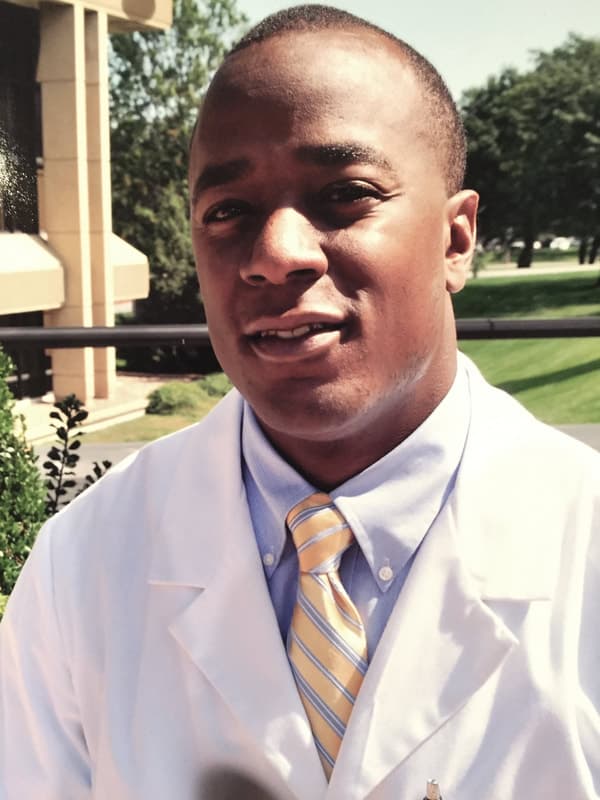
About the practice
KC Wellness and Physiotherapy was founded by Dr. Kowin Casey, DC, a chiropractic physician who received a certification in physiotherapy with an emphasis in sports rehabilitation.
Common Questions About Muscle Scraping for Post-Surgical Recovery
When after surgery can I start muscle scraping?
Timing depends on the type of procedure, incision location, and your surgeon's clearance. Generally, scraping is introduced after initial wound healing, typically weeks into your rehabilitation. Always confirm readiness with your surgical team before beginning.
How does muscle scraping help with surgical scars?
Surgical trauma triggers scar formation that can bind to surrounding tissues. Muscle scraping applies controlled pressure to stimulate tissue remodeling, breaking up adhesions and restoring normal flexibility and strength in the affected area.
Can scraping replace physiotherapy after surgery?
No. Muscle scraping removes mobility barriers and manages scar tissue, but physiotherapy strengthens weakened muscles and trains movement patterns. Both are typically needed for complete post-surgical recovery.
Will muscle scraping cause pain at my surgical site?
Scraping near a healing incision should feel firm but not sharp or unbearable. Your provider adjusts pressure and works within your tolerance. Communicating discomfort ensures the treatment remains safe and effective.
Related Services
Procedure
Muscle Scraping (IASTM)
Understand how instrument-assisted soft tissue mobilization breaks up scar tissue and restores mobility.
Condition
Post-Surgical Rehabilitation
Learn about comprehensive post-op care strategies to optimize healing and return to function.
Procedure
Physiotherapy & Rehabilitation
Explore how targeted exercise and manual therapy accelerate strength and mobility recovery.