
Herniated Disc Treatment in Kansas City
A herniated disc can cause pain, numbness and weakness that disrupt your daily life. At KC Wellness and Physiotherapy, Dr. Kowin Casey combines chiropractic care, non-surgical spinal decompression and physiotherapy in a personalized plan aimed at easing your symptoms and restoring your mobility.

Understanding Herniated Disc
A herniated disc occurs when the soft, gel-like center of a spinal disc pushes through a crack in the tougher outer layer, sometimes pressing on nearby nerves. It is a common condition, and the lower back (lumbar spine) and neck (cervical spine) are the areas most often affected. The resulting nerve compression can cause sharp, radiating pain, numbness, tingling or weakness in the arms or legs, depending on the disc's location. A herniated disc can make it hard to work, exercise, sleep comfortably and handle routine daily activities.
Many factors contribute to disc herniation, including age-related disc degeneration, repetitive strain from lifting or twisting, traumatic injury from accidents or falls, excess body weight that increases spinal pressure, genetic predisposition to disc problems, and sedentary habits that weaken supporting muscles. Discs naturally lose water content and become less flexible with age, making them more susceptible to tearing with minor strain, but younger people are not immune, especially those in physically demanding jobs or high-impact sports. Smoking, poor posture and improper lifting technique further raise the risk by affecting disc nutrition and structural integrity over time.
Many herniated discs improve over time with conservative care, but symptoms that persist, keep returning or get worse deserve a professional evaluation, because prolonged nerve compression can lead to lasting weakness or numbness. Conservative care aims to ease pain, reduce irritation of the nerve, improve how the spine moves and strengthen the muscles that support it, which may help prevent future flare-ups. Relying only on pain medication can ease symptoms without addressing the mechanical problems behind them.
Signs & Symptoms of Herniated Disc
- Radiating Pain: Sharp, shooting pain that travels from the spine down the arm (cervical) or leg (lumbar), often following the path of the compressed nerve.
- Numbness & Tingling: Persistent "pins and needles" sensation or complete numbness in areas served by the affected nerve, commonly in fingers, hands, feet, or toes.
- Muscle Weakness: Noticeable loss of strength in affected limbs, making it difficult to grip objects, lift items, walk normally, or maintain balance.
- Electric Shock Sensations: Sudden, brief jolts of pain that feel like electrical shocks, often triggered by specific movements, coughing, or sneezing.
- Loss of Reflexes: Diminished or absent reflexes in affected areas, such as reduced knee-jerk or ankle reflexes during clinical examination.
- Burning Sensation: Persistent burning or hot feeling along the nerve pathway, often accompanying other neurological symptoms.
- Foot Drop or Hand Weakness: Difficulty lifting the front part of the foot or inability to grip effectively, indicating significant nerve compression requiring immediate attention.
- Lower Back Pain: Localized pain in the lumbar region that may be dull and aching or sharp and stabbing, often worsening with movement or prolonged sitting.
- Limited Range of Motion: Reduced ability to bend, twist, or extend the spine without significant pain or stiffness, impacting daily activities.
- Pain That Worsens at Night: Increased discomfort when lying down or during sleep, making it difficult to find a comfortable position and disrupting rest.
- Difficulty Standing or Walking: Pain or weakness that makes prolonged standing or walking challenging, often requiring frequent breaks or position changes.
- Pain Triggered by Specific Movements: Sharp pain when bending forward, lifting objects, twisting the torso, or transitioning from sitting to standing positions.
- Muscle Spasms: Involuntary muscle contractions in the back or neck as the body attempts to stabilize and protect the injured area.
- Postural Changes: Altered posture or gait as you unconsciously compensate for pain, potentially leading to secondary musculoskeletal problems.
- Inability to Sit Comfortably: Increased pain during prolonged sitting that forces frequent position changes or standing breaks, particularly problematic for desk workers.
What to Expect
- A thorough assessment, including a detailed history, physical examination and neurological screening, to understand which nerves may be involved and whether imaging or a referral is needed
- Non-surgical cervical, thoracic and lumbar decompression, plus manual and mechanical traction, when your exam suggests they are a good fit
- Chiropractic and spinal corrective care, chosen with your disc condition and comfort in mind
- Physiotherapy and progressive rehabilitation focused on core strength, posture and safe movement
- Soft tissue options including Active Release Technique, myofascial release and dry needling for protective muscle tension
- A referral when imaging, injections or a surgical consultation becomes necessary
How Dr. Casey Treats a Herniated Disc
Comprehensive Assessment
Your first visit includes a detailed history, a thorough physical examination and neurological screening to understand how the problem is affecting you. Dr. Casey assesses spinal motion, muscle strength, reflexes and nerve function. When imaging may be recommended to confirm findings or rule out other problems, he will explain why and refer you.
Personalized Treatment Plan
Based on your findings, Dr. Casey designs a plan around the location of the disc, the severity of your symptoms and your goals. Depending on your exam, it may include non-surgical spinal decompression or traction, chiropractic care, physiotherapy and soft tissue work. Conservative approaches come first, and the plan is adjusted as you respond.
Ongoing Care & Prevention
Care extends beyond initial relief to long-term spinal health and preventing recurrence. Progressive rehabilitation exercises, posture work, workstation guidance and lifestyle changes help strengthen the core and improve spinal stability, and follow-up visits help catch setbacks early and build your confidence managing on your own.
Benefits
Care From Dr. Casey
You are cared for by Dr. Kowin Casey, a licensed chiropractic physician who earned his Doctorate in Chiropractic with honors from Cleveland Chiropractic College and received a certification in Physiotherapy with an emphasis in Sports Rehabilitation.
Personalized Care
Every plan is built around your disc condition, symptom pattern, lifestyle and goals, never a one-size-fits-all approach. We meet people where they are, at their phase of health.
Non-Surgical Decompression
Non-surgical cervical, thoracic and lumbar decompression, along with manual and mechanical traction, is offered in our Kansas City office alongside chiropractic care and physiotherapy.
Telemedicine Visits
Virtual appointments are available for some visits, such as follow-up conversations and progress check-ins. Examination and hands-on treatment take place in the office.
Your Treatment Journey
First Visit and Evaluation
Your first visit includes a detailed history, a physical and neurological examination, a functional assessment and a review of any imaging you already have. Dr. Casey identifies the likely disc level, the degree of nerve involvement and contributing factors, then explains what he found, what to realistically expect and how your plan will begin.
Early Treatment
Early care focuses on reducing pain and nerve irritation and gently restoring mobility. You will learn safer body mechanics, begin home exercises and gradually increase activity while avoiding movements that aggravate the disc. How often you come in depends on your symptoms and how you respond.
Progress Review
As symptoms ease, visits usually become less frequent and the emphasis shifts to strengthening, functional restoration and independence. Dr. Casey re-evaluates your pain, range of motion, strength and daily function, and your program advances to core stabilization and work or sport-specific activities. Healing timelines vary with disc severity, age and consistency with your home program.
Long-Term Management
Once your symptoms settle, the focus turns to preventing recurrence and keeping your spine healthy. Occasional check-ins can help catch early warning signs and refine your home program. The goal is for you to manage minor flare-ups on your own and know when professional care is needed.
Treatment Options at KC Wellness and Physiotherapy
Depending on your exam, herniated disc care may include non-surgical spinal decompression for the cervical, thoracic or lumbar spine, along with manual and mechanical traction, which gently stretch and unload the spine. Chiropractic and spinal corrective care is chosen with your disc condition and comfort in mind. Physiotherapy and rehabilitation exercise strengthen the core and the muscles along the spine and improve flexibility.
Active Release Technique and myofascial release address the protective muscle tension that often develops around an irritated disc, and dry needling may provide relief for some muscular pain and stiffness. Class IV laser therapy is available as part of care aimed at pain reduction. Dr. Casey also provides workstation and activity guidance to limit aggravation during daily tasks, and he will refer you when imaging, injections or a surgical consultation becomes necessary.
When to Seek Emergency Care
Loss of bladder or bowel control, numbness in the groin or inner thighs, or rapidly worsening weakness in the legs can signal cauda equina syndrome, a medical emergency. Seek emergency care right away rather than waiting for a chiropractic appointment. Progressive weakness, such as foot drop or a weakening grip, also needs prompt medical evaluation.
About the practice
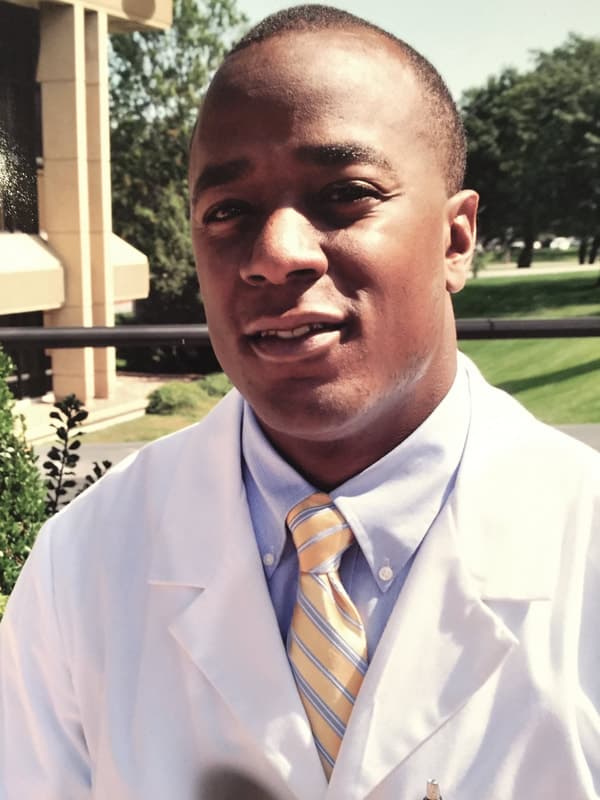
KC Wellness and Physiotherapy was founded by Dr. Kowin Casey, DC, a chiropractic physician who received a certification in physiotherapy with an emphasis in sports rehabilitation.
Common Questions About Herniated Disc
How long does herniated disc treatment take?
It varies with the severity and location of the disc, how much the nerve is involved and your individual healing. Pain often eases before strength and function fully return, and a full recovery can take a while. Age, overall health, consistency with home exercises, job demands and whether this is a first episode or a recurrence all play a part. Dr. Casey will give you realistic expectations after your evaluation.
Is medication required for herniated disc treatment?
Not always. Dr. Casey is a chiropractic physician and does not prescribe medication, and care here focuses on non-drug approaches. For severe pain, some people use medication recommended by their medical doctor for a short time while conservative care addresses the underlying mechanical problem. Questions about over-the-counter or prescription medication, including muscle relaxants or nerve pain medication, belong with your primary care physician.
How do I find out about insurance coverage?
We accept all major insurance plans. Call our office at (913) 424-2410 to confirm your coverage before your visit.
What if chiropractic care doesn't work for my herniated disc?
Some herniated discs need more than conservative care. Dr. Casey monitors your progress and re-evaluates at regular intervals. If your improvement stalls or your symptoms worsen, he will recommend imaging if it has not been done and refer you for a pain management consultation, such as for an epidural injection, or for an orthopedic or neurosurgical evaluation. The priority is recovery through the least invasive approach that works, with other specialists involved when conservative care alone is not enough.
Can telehealth appointments work for herniated disc treatment?
Telemedicine visits can help with some parts of herniated disc care, such as reviewing your symptoms and progress between in-person visits. The physical and neurological examination and hands-on treatment, including spinal decompression, require an office visit. At the visit time, a nurse calls to take your history, then Dr. Casey joins by voice and video. Telemedicine visits are billed just like a regular office visit.
Will I need surgery for my herniated disc?
Many people with a herniated disc improve with conservative, non-surgical care. Surgery is usually reserved for progressive neurological deficits such as worsening weakness or numbness, cauda equina syndrome (loss of bladder or bowel control), or severe pain that does not respond to an appropriate course of conservative treatment. Dr. Casey starts with non-surgical options while watching for red flags that call for an urgent surgical referral, so you receive the right level of care at the right time.
Related Conditions
Service
Non-Surgical Spinal Decompression & Traction
Non-surgical cervical, thoracic and lumbar decompression, with manual and mechanical traction.
Service
Chiropractic & Spinal Corrective Care
Chiropractic care chosen with your disc condition and comfort in mind.
Related Condition
Sciatica
Radiating leg pain from sciatic nerve irritation, often associated with a herniated disc in the lower back.
Get Help for a Herniated Disc
Let's get started on your healing journey. Request an appointment online and our office will call you to confirm a time, or call (913) 424-2410.