
Spinal Stenosis Treatment in Kansas City
Spinal stenosis can make standing and walking uncomfortable, but conservative care may help you move with less pain. At KC Wellness and Physiotherapy, Dr. Kowin Casey combines gentle chiropractic care, non-surgical spinal decompression and physiotherapy to help reduce symptoms and improve function.
Understanding Spinal Stenosis
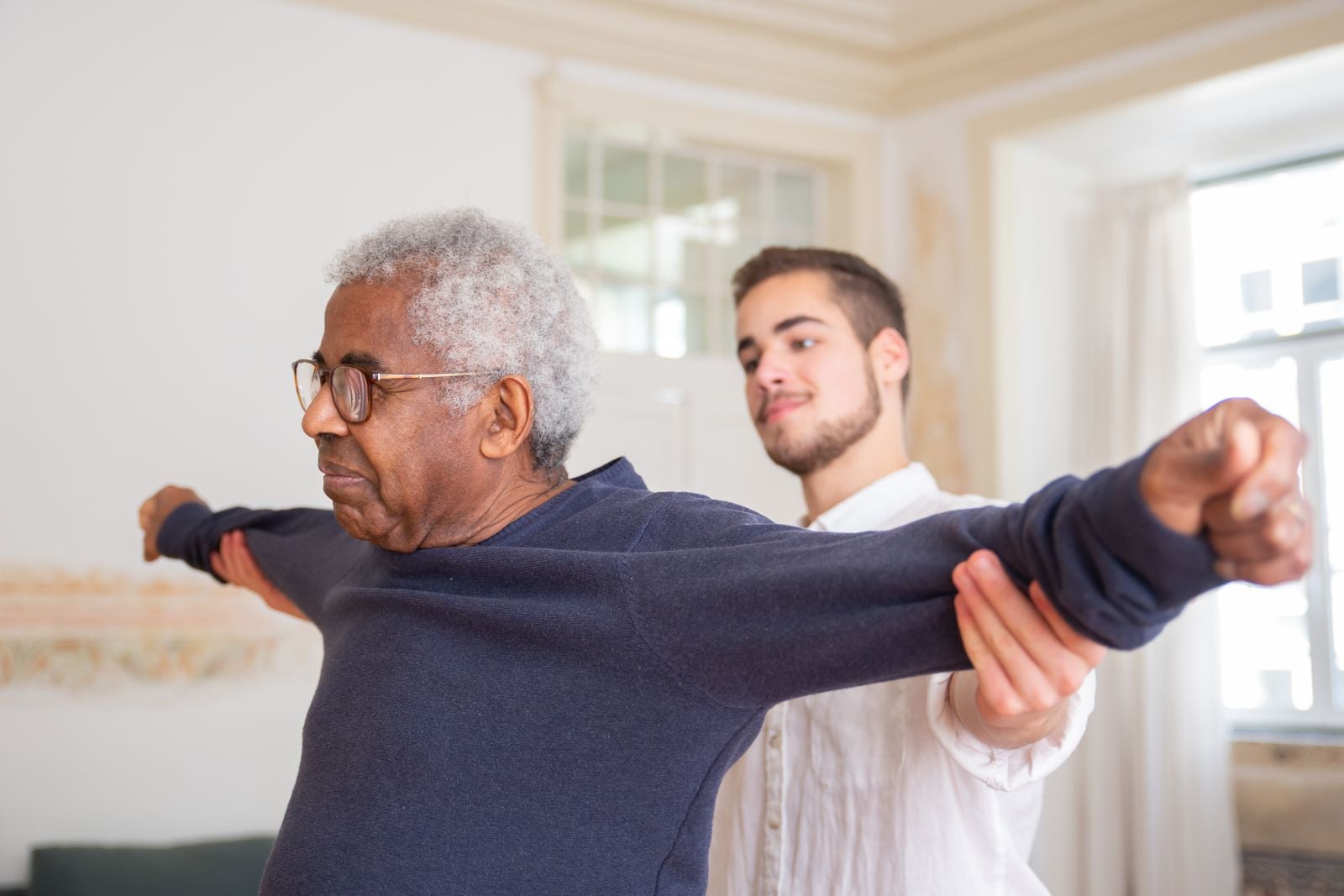
Spinal stenosis is a narrowing of the spaces within the spine, which can put pressure on the spinal cord and on the nerves that travel through and exit the spinal column. It most often affects the lower back (lumbar stenosis) and the neck (cervical stenosis), though it can occur anywhere along the spine. It becomes more common with age and is a frequent reason older adults develop back and leg symptoms. The effect on daily life can be significant: many people with spinal stenosis find it hard to walk or stand for long, keep their balance, or get through routine activities, and pain, numbness or weakness in the legs or arms can affect work, sleep and time with family and friends.
The most common cause of spinal stenosis is age-related change in the spine, including osteoarthritis, thickening of ligaments, disc bulges or herniations, and bone spurs. Over time, wear on the spine's structures can gradually narrow the spinal canal and the openings where nerves exit. Other contributing factors include a naturally narrow spinal canal, spinal injuries, previous spinal surgery and, less commonly, conditions such as Paget's disease of bone or growths within the spine. Risk factors include older age, a history of spine injury, scoliosis and repetitive activities that stress the spine. Understanding what is driving your symptoms is the starting point for a plan that fits your circumstances.
Spinal stenosis often does not improve on its own, and symptoms can gradually worsen without attention. Conservative care cannot reverse the narrowing itself, but it may help reduce symptoms, improve function and support your ability to stay active. At KC Wellness and Physiotherapy, Dr. Kowin Casey focuses on easing pain, improving how your spine moves, strengthening the muscles that support it, improving flexibility and teaching you ways to protect your spine during daily activities. His care may combine gentle chiropractic care, non-surgical spinal decompression and traction, and physiotherapy. With the right plan, many people are able to manage their symptoms and keep doing the things they enjoy.
Signs & Symptoms of Spinal Stenosis
- Numbness or Tingling: Pins and needles in the legs, feet, arms or hands, especially during activity.
- Radiating Pain: Pain that travels down the legs (sciatica) or into the arms, often described as burning or electric.
- Weakness in the Arms or Legs: Weakness that makes it harder to lift objects or stay steady while walking.
- Balance Problems: Difficulty with balance or coordination, which can raise the risk of falls.
- Neurogenic Claudication: Leg pain, heaviness or cramping that builds with walking or standing and eases when you sit down or lean forward.
- Foot Drop: Difficulty lifting the front of the foot, so it drags or catches when you walk.
- Bowel or Bladder Changes: In severe cases, loss of bowel or bladder control. This needs emergency medical attention.
- Back or Neck Pain: Ongoing pain in the lower back or neck that may worsen in certain positions.
- Limited Walking Distance: Needing to stop, rest or sit down after walking a short way.
- Difficulty Standing Upright: Discomfort that makes you hunch forward or lean on a shopping cart for relief.
- Stiffness and Reduced Flexibility: Less range of motion in the spine, making bending, twisting or reaching harder.
- Relief When Sitting: Symptoms that improve when sitting or leaning forward, positions that open the spinal canal slightly.
- Night Pain: Trouble sleeping because of pain or numbness, especially lying flat on your back.
- Reduced Activity Tolerance: Doing less of what you once enjoyed, which can lead to a more sedentary routine.
What to Expect
- A thorough evaluation with Dr. Casey, including your health history, a physical and neurological examination, and a review of any imaging you already have
- Imaging such as x-rays may be recommended or referred when it would help guide your care
- Gentle chiropractic care chosen to avoid positions that tend to aggravate stenosis symptoms
- Non-surgical lumbar or cervical decompression and manual or mechanical traction when they fit your condition
- Physiotherapy and therapeutic exercise focused on core strength, posture and comfortable walking
- Home exercises, activity guidance and a recommendation to see another provider when additional care is needed
How Dr. Casey Approaches Spinal Stenosis
Thorough Evaluation
Care begins with a careful look at your spine: a detailed health history, a physical examination, neurological checks of strength, reflexes and sensation, and a review of any imaging you already have. Dr. Casey assesses your pain, mobility, strength and how stenosis is affecting your daily activities, so he understands where nerves may be under pressure and what is driving your symptoms. If additional imaging would help, he will explain why.
Personalized Treatment Plan
Based on your evaluation, Dr. Casey builds a plan around your needs and goals. It may include gentle chiropractic care to improve spinal motion, non-surgical decompression or traction to ease pressure on irritated nerves, exercises that favor gentle forward bending, posture training and core strengthening. Your age, overall health, symptom severity and lifestyle all shape a plan that is realistic for you.
Ongoing Care & Monitoring
Spinal stenosis is usually a long-term condition, so consistent management matters. Dr. Casey checks your progress, adjusts your plan as you respond, teaches self-care techniques and gives practical guidance on activity. The goal is to help you keep your function, ease pain and stay as active and independent as possible.
Benefits
Care Directed by Dr. Casey
Your evaluation and care are directed by Dr. Kowin Casey, a licensed chiropractic physician who also received a certification in physiotherapy with an emphasis in sports rehabilitation.
Non-Surgical Decompression and Traction
The practice offers non-surgical cervical, thoracic and lumbar decompression along with manual and mechanical traction, used only when they suit your condition.
Telehealth Available
Virtual visits by phone and video can be an option for some follow-ups, such as checking progress and adjusting home exercises, when getting to the office is difficult.
A Whole-Person Approach
In keeping with the practice's focus on achieving an optimum balance, your plan looks at posture, movement, strength and daily habits, not only the painful area.
Your Treatment Journey
First Evaluation
At your first visit, Dr. Casey takes a detailed history of your symptoms, performs a physical and neurological examination, reviews any imaging you bring and talks through your goals. He explains what he finds in clear terms, answers your questions and recommends a plan. If imaging such as x-rays would help, he will explain why and how to arrange it.
Early Care
Early visits focus on easing pain, improving how your spine moves and teaching you exercises you can do at home. How often you come in depends on your symptoms and how you respond, and Dr. Casey adjusts the plan as you go. Progress varies with the severity of your stenosis.
Progress Review
Dr. Casey rechecks your pain, mobility, strength and walking tolerance and compares them with where you started. As you improve, your exercise program advances, your self-care strategies are refined and visits typically become less frequent, so you can keep your progress going on your own.
Long-Term Management
Because spinal stenosis is usually a long-term condition, keeping up with your home program and the posture and activity strategies you have learned matters. Periodic check-ins and flare-up care are available as your needs change.
Treatment Options for Spinal Stenosis
Non-surgical spinal decompression and traction: KC Wellness and Physiotherapy offers non-surgical cervical, thoracic and lumbar decompression, along with manual and mechanical traction. A gentle, controlled pull is used to create a little more space in the spine, which may help ease pressure on irritated nerves. Dr. Casey recommends it only after an evaluation and when it fits your condition.
Chiropractic and spinal corrective care: Gentle adjustments and mobilization can improve how stiff segments of the spine move. With stenosis, techniques are chosen to avoid bending the spine backward in ways that tend to aggravate symptoms.
Physiotherapy and rehabilitation: Therapeutic exercise that favors gentle forward bending, core strengthening, posture training and walking tolerance, together with guidance on body mechanics for everyday tasks.
Class IV laser therapy and soft tissue care: Class IV laser therapy for pain reduction, and Active Release Technique or myofascial release for tight, guarded muscles, may be added when they suit your symptoms.
When more is needed: Some people also benefit from care that is outside chiropractic, such as medication, injections or a surgical opinion. When that is the case, Dr. Casey will recommend that you see your physician or an appropriate specialist.
When to Seek Care Right Away
If you recognize these signs, help is available, and an evaluation can clarify what is going on and what your options are. New loss of bowel or bladder control, numbness in the groin or inner thighs, or rapidly worsening leg weakness can signal a medical emergency. Seek emergency medical care right away rather than waiting for a routine appointment.
About the practice
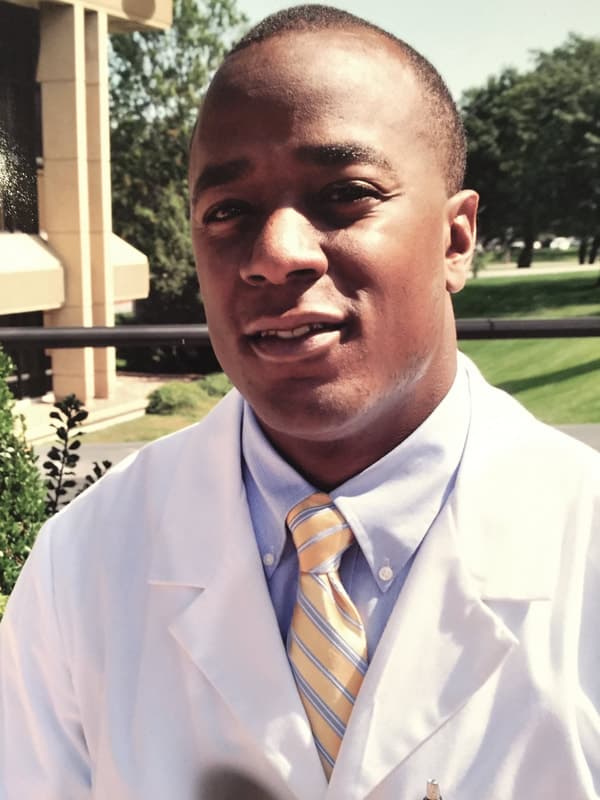
KC Wellness and Physiotherapy was founded by Dr. Kowin Casey, DC, a chiropractic physician who received a certification in physiotherapy with an emphasis in sports rehabilitation.
Common Questions About Spinal Stenosis
How long does spinal stenosis treatment take?
Spinal stenosis is usually a long-term condition that cannot be cured, but symptoms can often be managed. Some people notice changes fairly early, while others improve more gradually, depending on the severity of the narrowing, age, overall health and how consistently they follow their home program. After an initial period of more frequent care, many people move to occasional check-ins combined with regular home exercise. Dr. Casey will give you his honest view of what to expect after your evaluation.
Can chiropractic care help spinal stenosis, or will I need surgery?
Many people with spinal stenosis manage their symptoms without surgery. Conservative options such as gentle chiropractic care, decompression or traction, and exercise may help some people reduce symptoms and stay active. Surgery is generally considered for severe cases, such as worsening nerve function, significant loss of function, or symptoms that do not respond to a reasonable course of conservative care. If Dr. Casey believes a surgical opinion is appropriate, he will tell you and recommend that you see a specialist.
Is spinal decompression an option for spinal stenosis?
It can be. KC Wellness and Physiotherapy offers non-surgical cervical, thoracic and lumbar decompression as well as manual and mechanical traction. Decompression is commonly considered for nerve-related neck and back pain, but it is not appropriate for everyone. Dr. Casey reviews your history and examination findings before recommending it, and it is usually combined with exercise and posture work.
Will I need to take medication for spinal stenosis?
Some people use medication to manage pain or inflammation, particularly during flare-ups. Chiropractic physicians do not prescribe medication, so questions about medication belong with your primary care physician or specialist. Dr. Casey's care focuses on the mechanical and movement factors behind your symptoms. Always talk with your physician before changing a medication.
Does insurance cover spinal stenosis treatment?
We accept all major insurance plans. Call our office at (913) 424-2410 to confirm your coverage before your visit.
What if my spinal stenosis doesn't improve with treatment?
Response to care varies. If you are not progressing as expected, Dr. Casey will reassess your condition and adjust your plan. He may also recommend imaging, or a visit with your physician, a pain management specialist, a neurologist or an orthopedic surgeon to discuss other options. The goal of conservative care is to reduce symptoms and improve function, not to reverse the structural changes in your spine, and some severe cases do eventually need surgical care.
Can telehealth appointments work for spinal stenosis treatment?
Telehealth can help with some parts of your care, such as reviewing your progress, adjusting your home exercise program and talking through flare-ups, which is useful when pain makes travel difficult. Hands-on treatment, including adjustments, decompression and traction, requires an office visit. You can combine in-person visits with telemedicine follow-ups when that makes sense for your care.
Related Conditions
Service
Non-Surgical Spinal Decompression & Traction
Cervical, thoracic and lumbar decompression with manual and mechanical traction, used when it fits your condition.
Service
Physiotherapy & Rehabilitation
Therapeutic exercise, posture training and core strengthening to support the spine and help you stay active.
Related Condition
Sciatica
Pain that travels from the low back into the leg, which can occur with lumbar spinal stenosis.
Get Help for Spinal Stenosis
You don't have to face spinal stenosis alone. Book an evaluation with Dr. Casey at our Kansas City office, or call (913) 424-2410 with any questions.