
Plantar Fasciitis Treatment in Kansas City
Plantar fasciitis can turn every step into a painful reminder of your limitations. At KC Wellness and Physiotherapy, Dr. Kowin Casey combines hands-on soft tissue work, kinesio taping and targeted exercise in a personalized plan to help you walk comfortably again.
Understanding Plantar Fasciitis
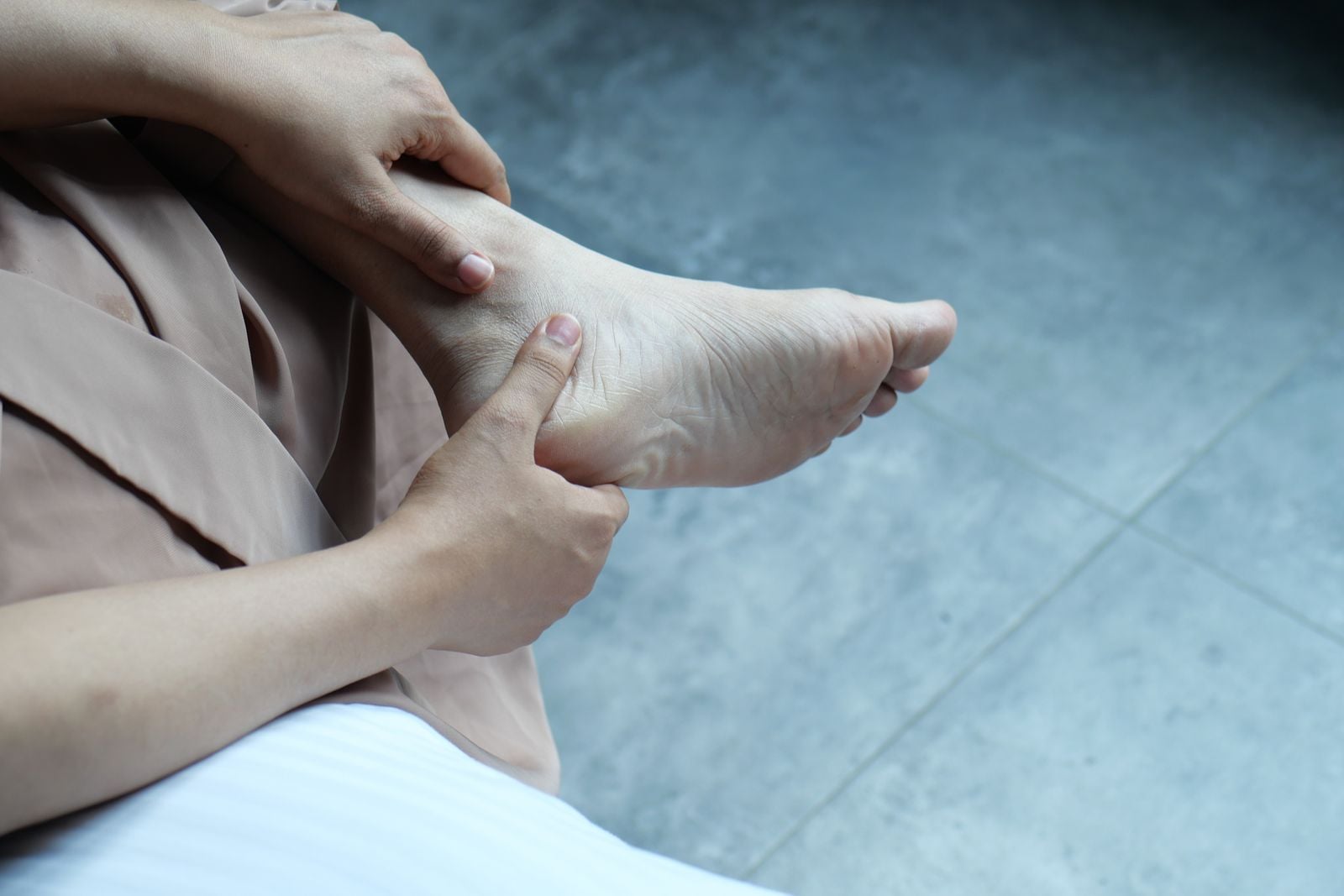
Plantar fasciitis is one of the most common causes of heel pain. It occurs when the plantar fascia, a thick band of tissue that runs along the bottom of your foot connecting your heel bone to your toes, becomes irritated or degenerates. The hallmark symptom is a sharp, stabbing pain that is typically worst with the first steps in the morning or after periods of rest. For many people, plantar fasciitis limits exercise, makes it hard to work on their feet and takes the enjoyment out of daily activities. Without appropriate care it can persist for a long time, which is why addressing it early matters.
Several factors contribute to plantar fasciitis, and understanding them helps with both treatment and prevention. It is most common in middle age. Activities that place repetitive stress on the heel and attached tissue, such as long-distance running, ballet and aerobic dance, can trigger the condition. Structural foot differences, including flat feet, high arches or an unusual walking pattern, change how weight is distributed and add stress to the plantar fascia. Excess body weight increases the strain on this tissue. Jobs that involve long hours standing or walking on hard surfaces, such as factory, restaurant or healthcare work, also raise the risk, as can shoes with poor arch support or overly soft soles.
Plantar fasciitis sometimes settles on its own, but appropriate care can help it resolve more smoothly and keep it from becoming a long-standing problem. Persistent heel pain often changes the way you walk, which can lead to secondary problems in the foot, knee, hip or back. Effective care addresses the immediate pain and also the mechanics that contributed to it. At KC Wellness and Physiotherapy, Dr. Casey combines hands-on soft tissue work such as Active Release Technique, kinesio taping, Class IV laser therapy for pain reduction, corrective exercise, lifestyle guidance and education, tailored to your circumstances, activity level and goals.
Signs & Symptoms of Plantar Fasciitis
- Sharp heel pain with first steps: Stabbing or piercing pain in the heel, especially with the first steps in the morning or after sitting.
- Pain after prolonged standing: Increased heel discomfort following long periods of standing or when standing up after sitting.
- Tenderness on heel bottom: Sensitivity to touch on the bottom of the heel, particularly near the arch of the foot.
- Worsening pain after exercise: Pain that flares up not during activity but afterward, once you stop and rest.
- Stiffness in the foot: Reduced flexibility in the foot and ankle, particularly noticeable in the morning or after rest.
- Altered walking pattern: Limping or changing gait to avoid putting pressure on the painful heel, which can cause other problems.
- Arch or midfoot pain: Discomfort extending from the heel into the arch of the foot along the plantar fascia band.
- Swelling in the heel: Mild puffiness around the heel area, though this is less common than pain.
- Avoidance of physical activities: Stopping exercise routines, walking less or giving up recreational activities due to heel pain.
- Frustration with limited mobility: Feeling discouraged or anxious about activities that require walking or standing for extended periods.
- Sleep disruption: Difficulty sleeping due to throbbing heel pain or worry about morning pain when getting out of bed.
- Work performance concerns: Struggling to fulfill job responsibilities that involve standing, walking or being on your feet throughout the day.
- Social withdrawal: Declining invitations to events or activities that require walking or standing because of anticipated pain.
- Low mood: Feeling down or discouraged because of ongoing pain and reduced quality of life.
- Reliance on pain medication: Increasingly depending on over-the-counter pain relievers to manage symptoms throughout the day.
What to Expect
- Sharp heel pain is typically worst with the first steps in the morning or after rest
- Plantar fasciitis is one of the most common causes of heel pain and often responds to conservative care
- Risk factors include certain types of exercise, foot structure, excess body weight and jobs that involve prolonged standing
- Without attention, an altered walking pattern can lead to secondary problems in the knee, hip or back
- Care may include Active Release Technique, kinesio taping, Class IV laser therapy and targeted exercise
- Treatment addresses both pain relief and the underlying mechanical causes
How We Treat Plantar Fasciitis
Comprehensive Assessment
Your first visit includes a thorough examination of your foot and ankle, a look at how you stand and walk, and an evaluation of contributing factors such as calf and foot muscle tightness, joint restrictions and posture. Dr. Casey also asks about your footwear, activity level and work demands so the plan addresses the causes of your heel pain, not just the symptoms. If imaging is needed to rule out other causes of heel pain, it may be recommended or referred.
Personalized Treatment Plan
Based on the assessment, Dr. Casey develops a plan that may combine Active Release Technique and myofascial release for the calf and foot, dry needling for tight, painful muscles, kinesio taping to support the arch without restricting motion, Class IV laser therapy for pain reduction, chiropractic care where restrictions in the lower back and pelvis affect how you walk, and physiotherapy exercises. The plan is adjusted as you progress, with clear goals at each stage.
Ongoing Care & Prevention
Recovery from plantar fasciitis depends on consistent care and good self-management between visits. Dr. Casey teaches targeted stretching and strengthening exercises, gives guidance on activity modification and offers advice on supportive footwear and arch support. Regular progress checks keep your treatment on track, and you leave with strategies to prevent future flare-ups.
Benefits
Care From Dr. Casey
Your care is directed by Dr. Kowin Casey, a chiropractic physician with a certification in Physiotherapy, emphasis in Sports Rehabilitation.
Personalized Approach
Every case of plantar fasciitis is different, and treatment is tailored to your foot mechanics, lifestyle and goals. We listen carefully to understand what is getting in the way of your healing.
Telehealth Available
Telemedicine appointments by voice and video are available for check-ins and questions about your home exercises when an office visit is not practical.
Many Therapies Under One Roof
Active Release Technique, kinesio taping, dry needling, Class IV laser therapy, chiropractic care and physiotherapy are all available in one office at 1815 Grand Blvd. in Kansas City.
Your Treatment Journey
First Evaluation
Your initial visit includes an examination, a detailed history, a look at how you walk and a functional assessment. Dr. Casey identifies the factors contributing to your plantar fasciitis and develops your personalized plan. You will leave with a clear understanding of your condition, realistic expectations for recovery and initial steps to begin easing pain.
Active Treatment
Visit frequency depends on the severity of your symptoms. This phase focuses on calming irritation, improving tissue quality, restoring foot mechanics and progressively strengthening the supporting muscles. You will receive a home exercise program and self-care strategies to support healing between visits. Morning pain is often one of the first symptoms to change.
Progress Review
As symptoms improve, Dr. Casey reassesses your progress and adjusts your plan. Visits typically become less frequent as you become more independent with self-management. Activity levels increase gradually, exercises become more challenging, and moderate to severe cases may need more time before recovery is complete.
Long-term Management
Once symptoms have settled, care shifts to maintenance and prevention. You will have a home program, strategies for managing minor flare-ups, and guidance on footwear and activity progression. Periodic check-ins can help you keep your gains, with the aim of keeping your feet healthy and preventing recurrence.
Impact on Daily Life
Heel pain affects nearly everything you do on your feet, from the first steps out of bed to a shift at work or an evening walk. Many people start avoiding exercise and activities they enjoy. If you recognize these signs, help is available. Addressing plantar fasciitis early can help keep it from becoming a long-standing problem.
Treatment Options for Plantar Fasciitis
Plantar fasciitis care at KC Wellness and Physiotherapy draws on the services the office offers. Active Release Technique and myofascial release help address scar tissue, adhesions and tightness in the calf and the bottom of the foot. Dry needling, with optional electrical stimulation, may provide relief for muscular pain and stiffness. Kinesio taping supports the foot without restricting motion, and Class IV laser therapy is used for pain reduction. Chiropractic care addresses joint restrictions in the lower back and pelvis that may contribute to abnormal walking mechanics.
Physiotherapy and therapeutic exercise strengthen the small muscles of the foot, stretch the calf and plantar fascia and improve overall lower body function. When appropriate, Dr. Casey offers guidance on supportive footwear, arch support and nighttime stretching aids. Throughout your care, he explains your condition and the reason behind each part of the plan so you can take an active part in your recovery.
About the practice
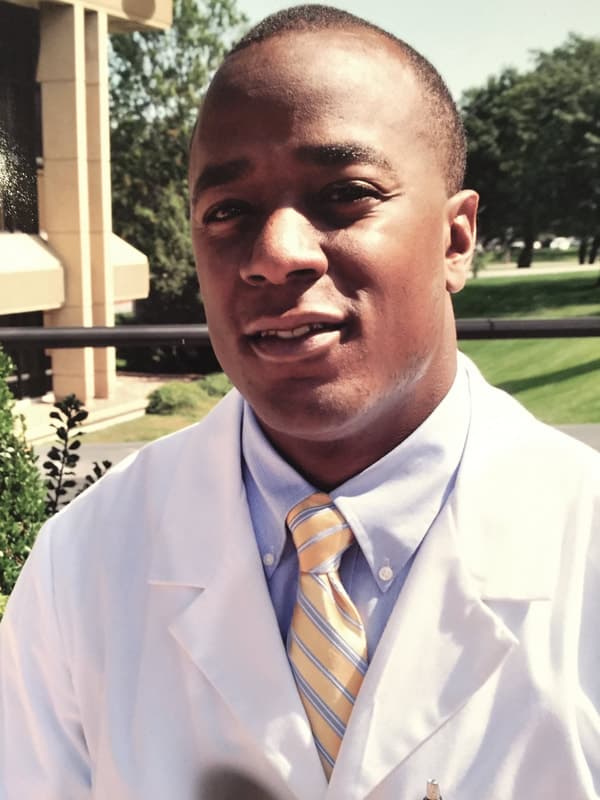
KC Wellness and Physiotherapy was founded by Dr. Kowin Casey, DC, a chiropractic physician who received a certification in physiotherapy with an emphasis in sports rehabilitation.
Common Questions About Plantar Fasciitis
How long does plantar fasciitis treatment take?
Recovery time varies with severity and how long you have had symptoms before starting care. Consistent treatment and home exercises help, but plantar fasciitis often takes a while to resolve completely, and cases that have been present for many months usually need longer. Seeking care early tends to make recovery smoother, which is why it is worth getting evaluated when symptoms first appear rather than waiting.
Will I need medication for plantar fasciitis?
Many cases of plantar fasciitis are managed with conservative care such as hands-on treatment, exercise and activity modification. Questions about anti-inflammatory medicine are best discussed with your primary care physician. Medication may ease pain for a while, but it does not address the underlying mechanics. If conservative care is not enough, talk with your primary care physician about additional options.
Does insurance cover plantar fasciitis treatment?
We accept all major insurance plans. Call our office at (913) 424-2410 to confirm your coverage before your visit.
What if chiropractic treatment isn't working for my plantar fasciitis?
Your progress is checked regularly. If you are not improving as expected, Dr. Casey will reassess your condition, adjust your plan and look for complicating factors. Changes to footwear, arch support, nighttime stretching or your exercise program are sometimes needed. If conservative care proves insufficient after a reasonable trial, you may be referred to an appropriate specialist for further evaluation and options such as injections or, rarely, a surgical opinion.
Can I use telehealth for plantar fasciitis treatment?
Hands-on care requires an office visit, but KC Wellness and Physiotherapy also offers telemedicine appointments by voice and video. A virtual visit can be a practical way to talk through symptoms, go over your home exercises and check on progress when you cannot come in. Telemedicine visits are billed just like a regular office visit.
Can I continue exercising with plantar fasciitis?
That depends on your activity level, symptom severity and type of exercise. Complete rest is rarely necessary and can be counterproductive, but you may need to modify high-impact activities for a while. Low-impact options like swimming, cycling or upper body work can usually continue. Running and jumping may need to be reduced or temporarily replaced during the early healing phase. Dr. Casey will give you specific guidance so you can stay active while the tissue heals, then guide a gradual return to full activity as you rebuild strength and endurance.
Related Conditions
Service
Active Release Technique & Myofascial Release
Hands-on soft tissue work for tightness and adhesions in the calf and the bottom of the foot.
Service
Kinesio Taping
Therapeutic tape that can support the foot and arch without restricting motion.
Service
Physiotherapy & Rehabilitation
Stretching and strengthening for the foot, ankle and calf to restore comfortable walking.
Get Help for Plantar Fasciitis Today
You don't have to face plantar fasciitis alone. Dr. Casey can help you take the first step toward more comfortable walking.