
Why Conservative Treatment Is Often Tried First in Kansas City
Surgery is not always necessary. Understand when physical therapy and conservative care can resolve pain or injury, and when specialist consultation becomes important.
What to Expect
- Most acute injuries respond well to targeted movement and rehabilitation
- Physical therapy avoids surgical risks and recovery downtime
- Early conservative care can prevent conditions from becoming chronic
- Some diagnoses benefit from 6-12 weeks of therapy before surgery is considered
- Your therapist can advise when specialist evaluation is warranted
Benefits
Avoid Unnecessary Procedures
Many injuries heal fully with the right movement strategy, avoiding surgery altogether. This saves recovery time, cost, and surgical risk.
Faster Return to Normal
Physical therapy lets you keep moving and gradually return to work and activities, versus months of post-surgical immobility.
Build Strength for Life
The movement patterns and strength you learn in therapy prevent re-injury and give you tools to stay healthy long-term.
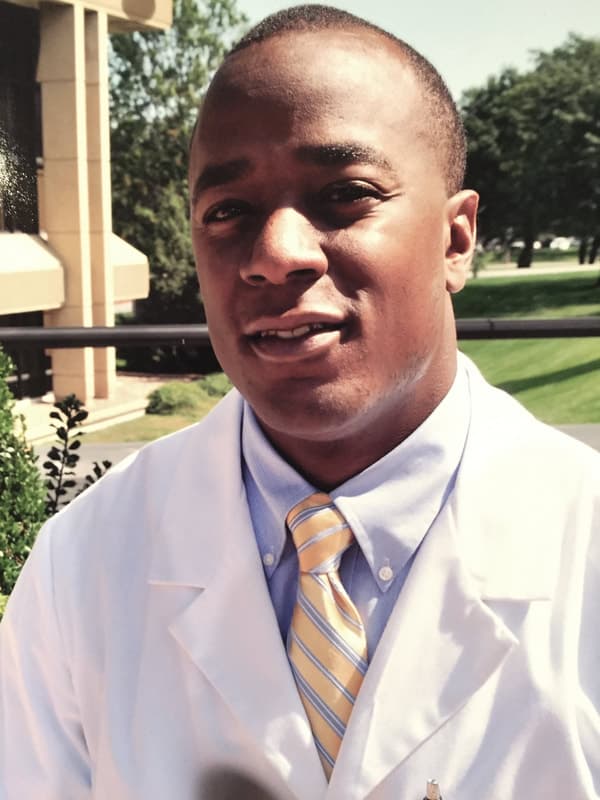
About the practice
KC Wellness and Physiotherapy was founded by Dr. Kowin Casey, DC, a chiropractic physician who received a certification in physiotherapy with an emphasis in sports rehabilitation.
Common Questions About Choosing Physical Therapy Before Surgery
How do I know if physical therapy will work for my condition?
A physical therapist can assess your specific injury and explain whether conservative care is likely to help. If your condition requires surgery, they can communicate that clearly. Some situations require imaging or specialist input first.
How long should I try physical therapy before considering surgery?
This depends on your diagnosis. For some conditions, 6-12 weeks of consistent therapy is a reasonable trial. Your therapist will track progress and let you know if you're improving or if specialist consultation is needed.
Can I do physical therapy after surgery to avoid another procedure?
Yes. Post-surgical rehabilitation is one of the most important uses of physiotherapy. Strong, coordinated movement after surgery reduces re-injury risk and often prevents the need for repeat procedures.
What conditions almost always need surgery, not therapy?
Some fractures, severe ligament tears, or structural damage require surgical repair. Your doctor or a specialist can determine this. Physical therapy typically follows surgery as part of recovery.
Related Services
Condition
Post-Surgical Rehabilitation
Physical therapy after surgery to restore strength, movement, and function.
Core Service
Physiotherapy & Rehabilitation
Conservative, evidence-based care to resolve pain and restore movement.
Specialized Therapy
Non-Surgical Spinal Decompression & Traction
Non-invasive option for certain spinal conditions that might otherwise require surgery.