
Dry Needling in Kansas City
Thin, sterile needles placed into tight muscle knots to help ease pain and stiffness, with the option of gentle electrical stimulation. Dr. Casey uses dry needling as part of a plan built around your evaluation.
What Is Dry Needling?
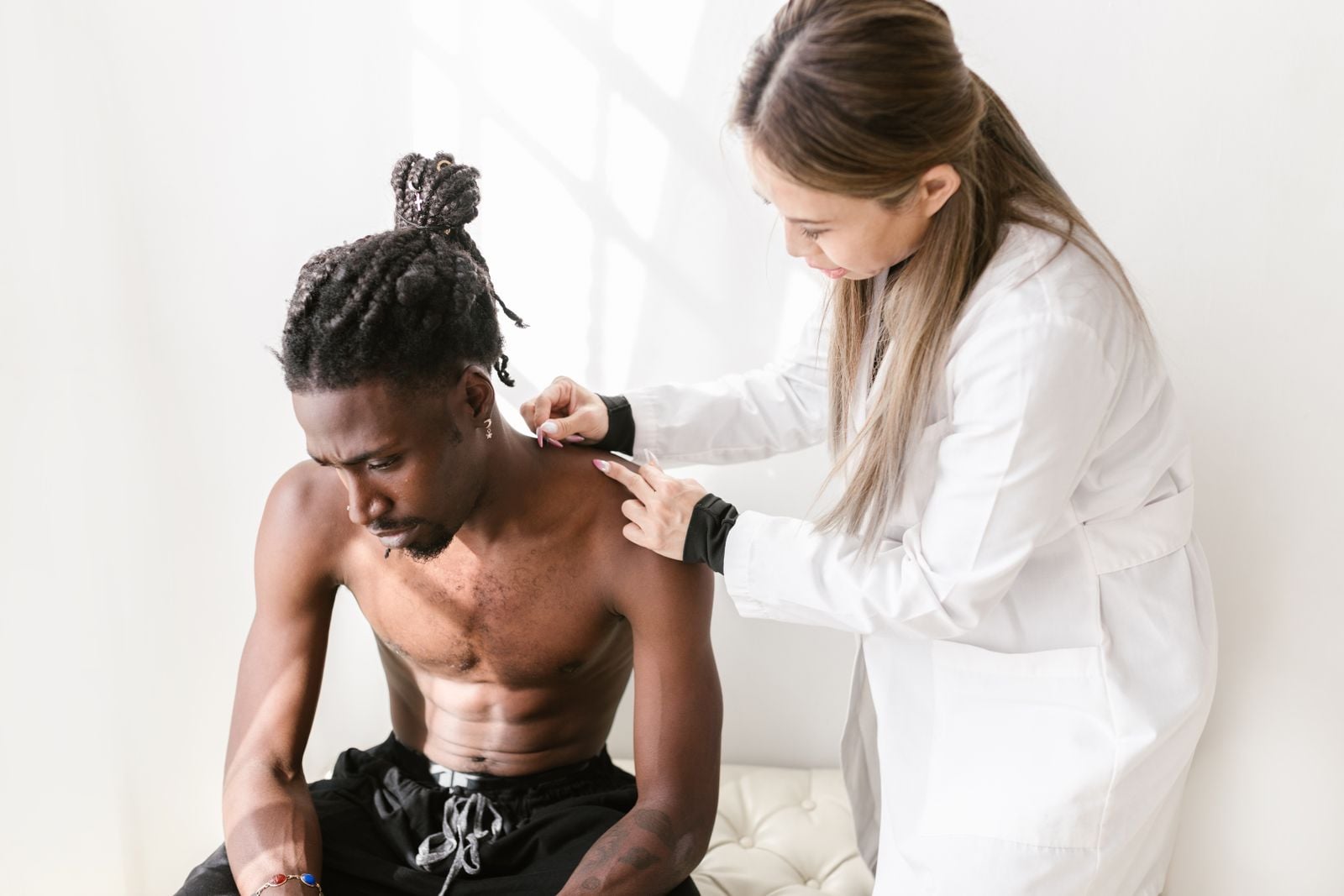
Dry needling uses very thin, solid needles placed into trigger points, the tight, tender knots that can form in a muscle and send pain to other areas. It is called dry because nothing is injected. The goal is to release tension in the muscle and calm the irritation that keeps it tight and sore.
In the practice's own words, dry needling may provide relief for some muscular pain and stiffness. In addition, easing the trigger points may improve flexibility and increase range of motion.
Dry needling can also be paired with electrical stimulation, where a mild current is passed through the needles to add gentle stimulation to the muscle. Dr. Kowin Casey decides with you whether dry needling, with or without electrical stimulation, belongs in your plan, and it can be combined with other care such as chiropractic adjustments, soft tissue work, stretching and exercise.
Dry Needling May Be Worth Discussing If You Have
- Tight, tender knots in the neck, shoulders or upper back
- Muscle pain and stiffness that keeps coming back
- Reduced flexibility or range of motion from muscle tightness
- A sports injury or overuse strain
- Pain that seems to spread from one muscle into another area
- Tension-type headaches linked to tight neck and shoulder muscles
What to Expect
- An evaluation with Dr. Casey to find the muscles and trigger points involved
- Thin, sterile, single-use needles that are disposed of after use
- A brief pinch, ache or muscle twitch as a needle reaches a trigger point, which is normal
- The option of gentle electrical stimulation through the needles when it suits your care
- Mild soreness for a short time afterward, similar to the feeling after a workout
- Stretches and movement guidance to help keep the muscle loose between visits
How Dr. Casey Approaches Dry Needling
Evaluation by Dr. Casey
Dr. Casey reviews your history and examines how you move, feeling for the tight bands and trigger points that may be behind your pain. He also checks for anything that would make needling inappropriate, such as a bleeding disorder or certain medications.
A Personalized Plan
If dry needling fits, Dr. Casey chooses which muscles to treat and whether to add electrical stimulation. Needling can be combined with adjustments, soft tissue work and exercise, so the whole problem is addressed and not just the sore spot.
Ongoing Support and Education
Your response is reviewed as care progresses and the plan is adjusted as needed. You learn stretches, posture habits and self-care that help keep trigger points from building up again.
Benefits
May Relieve Muscular Pain and Stiffness
Dry needling may provide relief for some muscular pain and stiffness by working directly on the trigger points involved.
Flexibility and Range of Motion
Easing the trigger points may improve flexibility and increase range of motion, which matters for sport, work and everyday movement.
Reaches Deep Trigger Points
A fine needle can reach a trigger point that may be difficult to release with hands-on pressure alone.
Optional Electrical Stimulation
Adding a gentle current through the needles offers another way to work with the muscle when it suits your care.
Medication-Free
Nothing is injected. Dry needling is a drug-free option that works alongside the rest of your plan.
What to Expect From Dry Needling
Evaluation
Dr. Casey takes your history, examines the painful area and identifies the muscles involved. He explains what dry needling involves so you can decide whether you are comfortable with it.
Your Needling Session
After the skin is cleaned, thin sterile needles are placed into the targeted trigger points. You may feel a brief twitch or ache. Electrical stimulation may be added if it is part of your plan.
Afterward
Mild soreness can follow for a short time. Gentle movement and the stretches you are given help the muscle settle.
Progress and Prevention
Your response is rechecked and the plan adjusted. Over time the focus shifts to strength, flexibility and habits that help keep muscles from tightening up again.
About the practice
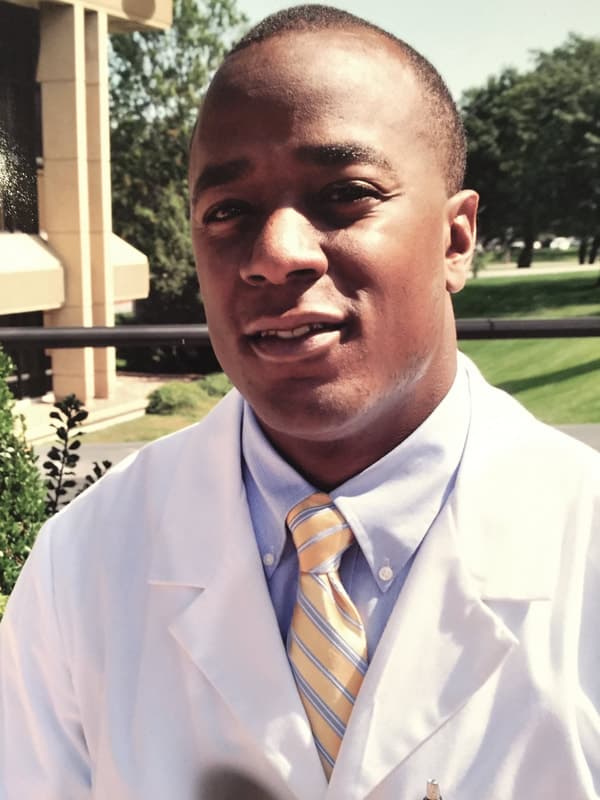
KC Wellness and Physiotherapy was founded by Dr. Kowin Casey, DC, a chiropractic physician who received a certification in physiotherapy with an emphasis in sports rehabilitation.
Common Questions About Dry Needling
Is dry needling the same as acupuncture?
They are different approaches, and the practice offers both. Each uses thin needles, but acupuncture is rooted in traditional Chinese medicine, while dry needling is based on modern anatomy and targets trigger points in muscles with the aim of easing muscular pain and improving movement.
Does dry needling hurt?
The needles are very thin, so insertion is usually felt as little more than a brief pinch. When a needle reaches a trigger point, the muscle may twitch or ache briefly. Mild soreness afterward is common and usually short lived.
What is dry needling with electrical stimulation?
After the needles are placed, a mild electrical current can be connected to them to add gentle stimulation to the muscle. It is optional, and Dr. Casey recommends it only when it suits your condition. Let us know if you have a pacemaker or another implanted electrical device.
Is dry needling safe?
Dry needling is generally considered safe when it is performed with thin, sterile, single-use needles and proper technique. Temporary soreness or minor bruising can occur. Less common but more serious complications are possible, including when needling near the chest wall, and Dr. Casey reviews the risks with you before any treatment. Tell Dr. Casey if you are pregnant, take blood thinners, have a bleeding disorder or feel uneasy about needles, so your care can be planned safely.
Do you accept insurance?
We accept all major insurance plans. Call our office at (913) 424-2410 to confirm your coverage before your visit.
Related Services
Service
Active Release Technique & Myofascial Release
Hands-on soft tissue techniques that can be paired with dry needling for tight, overworked muscles.
Condition
Sports Injuries
How muscle and soft tissue injuries from sport are evaluated and treated conservatively.
Service
Acupuncture
Another thin-needle approach, rooted in traditional Chinese medicine, also offered at our office.
Ask Dr. Casey About Dry Needling
Book an evaluation at our Kansas City office to find out whether dry needling, with or without electrical stimulation, is a good fit for your muscle pain and stiffness.