
Active Release Technique and Myofascial Release in Kansas City
Hands-on soft tissue techniques that work on muscles, tendons and fascia to help ease tension and restore easier movement, guided by Dr. Casey's evaluation of what is really holding you back.

What Are Active Release Technique and Myofascial Release?
Active Release Technique, often shortened to ART, is a hands-on soft tissue technique. The provider applies focused pressure to a specific muscle, tendon, ligament or area of fascia while that body part is moved through a particular motion. Combining pressure with movement is intended to address tight, restricted or irritated soft tissue, which is common with overuse and repetitive strain.
Myofascial release focuses on fascia, the connective tissue that surrounds and links muscles throughout the body. It uses slower, sustained pressure and stretching to ease areas that feel tight or restricted, which may help reduce pain and improve how freely you move.
Both Active Release Technique and Myofascial Release are on the practice's list of specialties. Dr. Kowin Casey, a licensed chiropractic physician with a certification in physiotherapy and an emphasis in sports rehabilitation, uses these techniques as part of a plan built around your evaluation, and they can be combined with adjustments, dry needling, kinesiology taping and therapeutic exercise.
Soft Tissue Work May Be Worth Discussing If You Have
- Muscle tightness or knots that stretching alone does not ease
- Overuse or repetitive strain from sport, work or hobbies
- Reduced range of motion in the neck, shoulder, hip or back
- Elbow, wrist or forearm pain from repetitive gripping or typing
- Neck and shoulder tension that builds up during the day
- Lingering stiffness or restriction after an older injury
- Calf, shin or heel tightness from running and other sports
What to Expect
- An evaluation with Dr. Casey to pinpoint which tissues are tight or irritated
- Firm, focused pressure combined with specific movements during Active Release Technique
- Slower, sustained pressure and stretching during myofascial release
- Some temporary tenderness during or after treatment, which usually settles
- Communication throughout, so pressure can be adjusted to your comfort
- Stretches and exercises to help keep tissues moving freely between visits
How Dr. Casey Approaches Soft Tissue Care
Evaluation by Dr. Casey
Dr. Casey reviews your history, watches how you move and feels the tissues around the problem area to find where tension or restriction is coming from, rather than focusing only on where it hurts.
A Personalized Plan
Dr. Casey chooses Active Release Technique, myofascial release or a combination of the two, and decides how soft tissue work fits with adjustments, dry needling, kinesiology taping and exercise in your plan.
Ongoing Support and Education
Your movement and comfort are rechecked as care progresses. You also learn stretches, self-care and daily habits that help reduce the strain behind the problem, in keeping with the practice's goal of Achieving an Optimal Balance.
Benefits
May Improve Range of Motion
Easing tight or restricted tissue may help joints move more freely and make everyday movement feel easier.
Suited to Overuse Strain
Hands-on soft tissue work is commonly used for the repetitive strain and overuse problems that build up with sport, work and daily routines.
Precise, Hands-On Care
Active Release Technique targets a specific muscle, tendon or area of fascia rather than working broadly over a whole region.
Gentler Options Available
Myofascial release uses slower, sustained pressure, which can suit people who prefer a gentler approach.
Works With the Rest of Your Plan
Soft tissue work can be combined with chiropractic care, dry needling, kinesiology taping and therapeutic exercise for a more complete approach.
What to Expect From Soft Tissue Care
Evaluation
Dr. Casey takes your history and examines how you move to find the tissues involved and decide which technique suits you.
Hands-On Treatment
Pressure is applied to the targeted tissue, combined with specific movements for Active Release Technique or a sustained stretch for myofascial release. You can ask for the pressure to be adjusted at any time.
Reinforcing the Change
Stretches, strengthening and movement guidance help your body hold on to improved mobility between visits.
Preventing a Return
As your goals are met, the focus turns to the habits, training and posture that help keep the same strain from building up again.
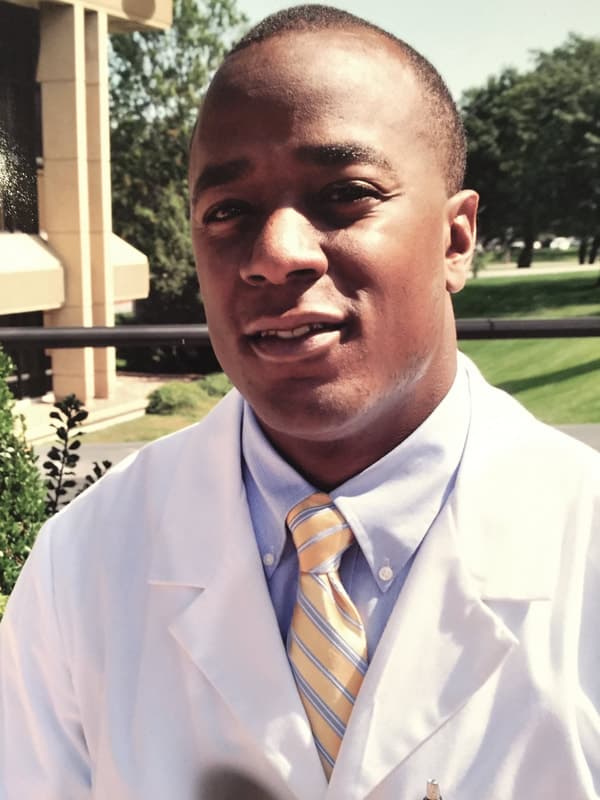
About the practice
KC Wellness and Physiotherapy was founded by Dr. Kowin Casey, DC, a chiropractic physician who received a certification in physiotherapy with an emphasis in sports rehabilitation.
Common Questions About Active Release Technique & Myofascial Release
What is the difference between Active Release Technique and myofascial release?
Both are hands-on soft tissue techniques. Active Release Technique combines focused pressure with specific movements of the body part being treated, and it targets a particular muscle, tendon or ligament. Myofascial release uses slower, sustained pressure and stretch to ease tension in the fascia over a broader area. Dr. Casey may use either one or both.
Does Active Release Technique hurt?
It can feel intense when pressure is applied to a tight or irritated area, and some tenderness afterward is common. It should not be sharply painful. Tell us at any time and the pressure can be adjusted.
What problems is soft tissue work commonly used for?
Active Release Technique and myofascial release are commonly used for overuse and repetitive strain problems of muscles, tendons and fascia, such as tight necks and shoulders, tennis elbow, wrist and forearm strain, and sports-related soft tissue injuries. Whether they fit your situation is decided at your evaluation.
Is this the same as a massage?
They are different, and both are available at our office. Active Release Technique and myofascial release are clinical techniques aimed at specific tissues identified during your evaluation, and they are used as part of a plan for a particular problem. Massage generally works more broadly on muscles and tension.
Do you accept insurance?
We accept all major insurance plans. Call our office at (913) 424-2410 to confirm your coverage before your visit.
Related Services
Service
Dry Needling
Thin, sterile needles used on muscle trigger points, which can be paired with hands-on soft tissue work.
Service
Massage Therapy
Therapeutic massage for tight, overworked muscles and everyday tension, also offered at our office.
Condition
Tennis Elbow
A common overuse problem of the forearm tendons, and the conservative care options for it.
Ready to Move More Freely?
Book an evaluation with Dr. Casey at our Kansas City office. We will listen carefully to what is holding you back and explain how soft tissue care could fit your plan.