
Rotator Cuff Injuries Treatment in Kansas City
Rotator cuff injuries can make reaching, lifting and even sleeping painful. At KC Wellness and Physiotherapy, Dr. Kowin Casey combines chiropractic care, physiotherapy and hands-on soft tissue work to reduce pain, restore shoulder motion and help you return to the activities you love.

Understanding Rotator Cuff Injuries
The rotator cuff is a group of muscles and their tendons that surround the shoulder joint, keeping the ball of the upper arm centered in its socket and allowing the wide range of motion your shoulder needs for everyday activities. When these tendons become irritated, inflamed or torn, the result is a rotator cuff injury, one of the most common sources of shoulder pain and dysfunction in adults. These injuries range from mild inflammation and tendinitis to partial or complete tears of the tendons. Whether you are an athlete, do physical work, or are noticing wear and tear with age, a rotator cuff problem can make it hard to reach overhead, lift objects or sleep comfortably on the affected side. The pain can come on suddenly or develop gradually, often with weakness, stiffness and a grinding or catching sensation in the shoulder.
Rotator cuff injuries occur in several ways, and understanding the cause matters for both treatment and prevention. Acute tears often result from falls, lifting heavy objects with poor technique, or sudden jerking motions of the arm. Many rotator cuff problems, however, develop gradually through overuse and repetitive overhead activity, which is common among painters, carpenters, tennis players and swimmers. Age is a significant risk factor, because the tendons tend to degenerate over time and become less able to repair minor damage. Bone spurs on the underside of the acromion, the bony projection of the shoulder blade, can also pinch the rotator cuff tendons and lead to irritation and eventual tearing. Poor posture, muscle imbalances and weak shoulder blade stabilizers add to the abnormal mechanics that place extra stress on the rotator cuff.
Some rotator cuff problems worsen over time without appropriate care, and a small tear can progress to a larger one. Getting assessed early helps you protect the shoulder and address the mechanics behind the injury before compensation sets in. At KC Wellness and Physiotherapy, Dr. Casey evaluates the nature and extent of your injury, then builds a personalized plan to calm inflammation, restore proper shoulder mechanics, strengthen the supporting muscles and reduce the chance of re-injury. Care combines chiropractic adjustments, physiotherapy and therapeutic exercise, soft tissue work such as Active Release Technique, postural correction and education. Delaying care can prolong pain and lead to compensation patterns in the neck, upper back and arm as you unconsciously protect the injured shoulder.
Signs & Symptoms of Rotator Cuff Injuries
- Difficulty reaching overhead: Simple tasks like combing your hair, reaching for items on high shelves, or putting on a jacket become challenging or impossible.
- Weakness in the affected arm: Noticeable loss of strength when lifting objects, rotating your arm, or performing activities that require shoulder stability.
- Pain when lying on the shoulder: Nighttime discomfort that disrupts sleep, particularly when rolling onto the affected side or sleeping with your arm overhead.
- Limited range of motion: Stiffness and inability to move your shoulder through its full arc of motion, particularly with rotation and elevation movements.
- Inability to carry or lift items: Grocery bags, briefcases, or even light objects feel heavy, and you may drop things unexpectedly due to weakness.
- Compensatory movement patterns: You unconsciously alter how you move, using your body or other arm to compensate for shoulder dysfunction, leading to additional strain.
- Deep, aching pain in the shoulder: A persistent dull ache that may worsen with activity and can radiate down the outer arm, particularly after repetitive movements.
- Sharp pain with specific movements: Sudden, stabbing sensations when reaching behind your back, lifting your arm to the side, or performing overhead activities.
- Clicking or popping sensations: Audible or palpable grinding, catching, or popping within the shoulder joint during movement, sometimes accompanied by pain.
- Pain radiating down the arm: Discomfort that travels from the shoulder down the outer aspect of the upper arm, sometimes extending toward the elbow.
- Tenderness to touch: The front or top of your shoulder may be sensitive when pressed, and you may feel localized swelling or warmth in the area.
- Pain at rest and at night: Unlike many musculoskeletal conditions that improve with rest, rotator cuff injuries often cause persistent pain even when you are not moving.
- Progressive worsening of symptoms: What begins as occasional discomfort can gradually become constant pain with increasing functional limitations if left unaddressed.
What to Expect
- A detailed history and hands-on examination, including orthopedic, range of motion and strength testing, to gauge the injury
- Treatment that may combine chiropractic care, physiotherapy, Active Release Technique, kinesio taping and Class IV laser therapy
- Progressive rehabilitation to calm irritation, restore shoulder mechanics and rebuild strength
- Regular reassessment, with your home exercise program advanced as you improve
- Care directed by Dr. Kowin Casey, who received a certification in Physiotherapy with an emphasis in Sports Rehabilitation
- In-office care plus telemedicine appointments when a visit in person is not practical
How We Treat Rotator Cuff Injuries
Comprehensive Assessment
Your care begins with a thorough evaluation by Dr. Casey, including a detailed history, orthopedic tests, range of motion assessment and strength testing to understand the nature and severity of your rotator cuff injury. He also looks for contributing factors such as posture, shoulder blade control and muscle imbalances. If imaging such as an MRI is needed to clarify the extent of a tear, it may be recommended or referred.
Personalized Treatment Plan
Based on the assessment, Dr. Casey develops a plan that may combine chiropractic adjustments to the neck and upper back, Active Release Technique and myofascial release for tight or restricted tissue, kinesio taping for support without restricting motion, Class IV laser therapy for pain reduction, and physiotherapy exercises that restore shoulder mechanics and rebuild strength. Your plan addresses both short-term pain relief and long-term function, with clear goals along the way.
Ongoing Care & Progress
Follow-up visits let Dr. Casey monitor your recovery, adjust treatment as needed and progress your exercise program. You will learn movement habits, workstation and lifting adjustments, and preventive strategies to lower the risk of re-injury. Your treatment evolves as you heal, with the aim of steady, lasting improvement.
Benefits
Care From Dr. Casey
Your care is directed by Dr. Kowin Casey, a chiropractic physician with a certification in Physiotherapy, emphasis in Sports Rehabilitation, and a background as a strength and conditioning specialist.
Personalized Care Approach
Every rotator cuff injury is different, shaped by your age, activity level, occupation and goals. We listen carefully to understand what you are facing, and your plan is designed for your situation rather than a one-size-fits-all protocol.
Telehealth Options Available
Telemedicine appointments by voice and video are available when coming to the office is not practical. Hands-on treatment takes place in the office, and telemedicine visits are billed just like a regular office visit.
Kansas City Community Focus
KC Wellness and Physiotherapy is a community based health center at 1815 Grand Blvd. in Kansas City, founded by Dr. Kowin Casey. As the practice puts it, "we meet people where they are, at their phase of health."
Your Treatment Journey
First Evaluation
Your initial visit includes a thorough examination to understand the extent of your rotator cuff injury and identify contributing factors. Dr. Casey will discuss your symptoms, limitations and goals, explain his findings and outline a personalized plan. You will leave with strategies to ease pain and protect the injured tissue.
Active Treatment Phase
Early care focuses on reducing inflammation, restoring mobility and gradually rebuilding strength. Initial sessions emphasize pain management and gentle range of motion work, while later visits introduce progressive strengthening and functional movement training. How quickly this phase moves depends on the severity of the injury.
Progress Review
As symptoms improve and function returns, Dr. Casey reassesses your progress and adjusts the plan. Visits typically become less frequent as you master your home exercise program and return to modified activities. The focus shifts to advanced strengthening, sport or work-specific training and proper movement patterns that help prevent re-injury.
Long-term Management & Prevention
Recovery time varies with the severity of the injury, and full recovery from a rotator cuff injury can take a while even when you are back to most activities. You will leave with a maintenance program of exercises, ergonomic strategies and self-care techniques to keep your shoulder healthy. Periodic check-ins can help you stay on track and address concerns before they become problems.
Treatment Options for Rotator Cuff Injuries
Rotator cuff care at KC Wellness and Physiotherapy draws on the services the office offers. Active Release Technique and myofascial release address muscle tension, adhesions and restricted tissue around the shoulder. Chiropractic adjustments to the neck and upper back support better posture and shoulder blade movement. Kinesio taping provides support for the shoulder without restricting motion, and Class IV laser therapy is used for pain reduction. Physiotherapy and therapeutic exercise target the rotator cuff muscles and shoulder blade stabilizers, progressing from gentle range of motion to resistance training that rebuilds strength and endurance.
Postural correction is an important part of care, because forward head posture and rounded shoulders can contribute to rotator cuff irritation. Dr. Casey also offers guidance on activity modification and sleeping positions that ease nighttime discomfort. When additional evaluation is warranted, imaging may be recommended or you may be referred to a medical specialist for further assessment. The aim is conservative, non-invasive care first, helping your shoulder regain function while avoiding unnecessary procedures.
Important Note About Symptoms
If you recognize these signs, help is available. Addressing a rotator cuff problem early can help limit its progression and make it easier to regain shoulder function. Sudden, severe weakness after a fall or injury, or an inability to lift the arm at all, should be evaluated promptly.
About the practice
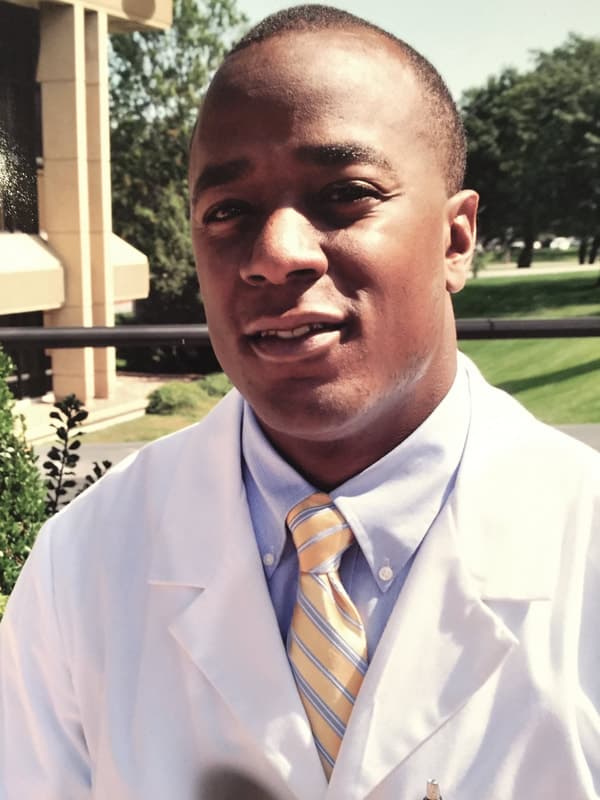
KC Wellness and Physiotherapy was founded by Dr. Kowin Casey, DC, a chiropractic physician who received a certification in physiotherapy with an emphasis in sports rehabilitation.
Common Questions About Rotator Cuff Injuries
How long does treatment for a rotator cuff injury typically take?
Treatment time varies with the severity of your injury, your age, overall health and how consistently you follow your plan. Minor strains and tendinitis tend to improve sooner, while partial tears and more significant injuries managed conservatively usually take considerably longer. Many people notice pain easing before the tendon has fully healed, so strengthening continues after symptoms settle. Dr. Casey will discuss realistic expectations for your condition at your first visit and keep you updated as you progress.
Can chiropractic care help rotator cuff injuries without surgery?
Many rotator cuff injuries, including many partial tears, are managed conservatively with rehabilitation, hands-on care and exercise. Care addresses the mechanics contributing to your injury, calms irritation, restores shoulder movement and rebuilds the strength and stability needed for lasting function. Surgery is generally considered for certain complete tears, for significant injuries that do not improve with rehabilitation, or when conservative care has not been enough. If that becomes appropriate, you may be referred for a surgical opinion.
Will I need to take time off work for treatment?
That depends on the severity of your injury and the physical demands of your job. Many people with mild to moderate rotator cuff injuries keep working with modifications such as avoiding overhead reaching, limiting heavy lifting or taking regular breaks. Dr. Casey can give you specific guidance on which work activities are safe while you heal. Jobs that involve heavy lifting, overhead work or repetitive shoulder motion may need a period of modified duty early on, while desk-based work usually continues with little disruption. Office hours begin at 7:00 AM on weekdays and Saturdays, which can make it easier to fit visits around work.
Does insurance cover chiropractic treatment for rotator cuff injuries?
We accept all major insurance plans. Call our office at (913) 424-2410 to confirm your coverage before your visit.
What if my rotator cuff injury isn't improving with treatment?
If your symptoms are not improving as expected, Dr. Casey will reassess your condition and consider several options. Imaging such as an MRI may be recommended or referred to better understand the extent of tissue damage or rule out a complete tear. The treatment approach or exercise program may be adjusted. When conservative care is not achieving adequate results, you may be referred to a medical specialist, such as an orthopedic physician, for further evaluation. Factors that can slow healing include skipping home exercises, continuing aggravating activities, smoking and uncontrolled diabetes. The priority is getting you the right care, even when that means a referral.
Can telehealth appointments be effective for rotator cuff injury treatment?
Telemedicine can be a useful part of care, but it works best alongside in-person visits rather than replacing them. Hands-on treatment takes place in the office. KC Wellness and Physiotherapy also offers telemedicine appointments by voice and video, which can be a practical way to talk through symptoms, go over your home exercises and check on progress when you cannot come in. Telemedicine visits are billed just like a regular office visit.
Related Conditions
Service
Physiotherapy & Rehabilitation
Therapeutic exercise and rehabilitation to restore shoulder range of motion, strength and stability.
Service
Active Release Technique & Myofascial Release
Hands-on soft tissue work for adhesions and restricted muscle that can limit shoulder movement.
Related Condition
Frozen Shoulder
Adhesive capsulitis causing stiffness and pain that limits shoulder movement in all directions.
Get Help for Rotator Cuff Injuries Today
You don't have to face a rotator cuff injury alone. Dr. Casey can help you ease pain, rebuild strength and return to the activities you love.