
Tennis Elbow Treatment in Kansas City
Tennis elbow doesn't just affect athletes. It can limit your ability to work, care for your family and enjoy everyday activities. At KC Wellness and Physiotherapy, Dr. Kowin Casey combines hands-on soft tissue work, chiropractic care and physiotherapy to reduce pain, restore function and help you return to the activities you love.
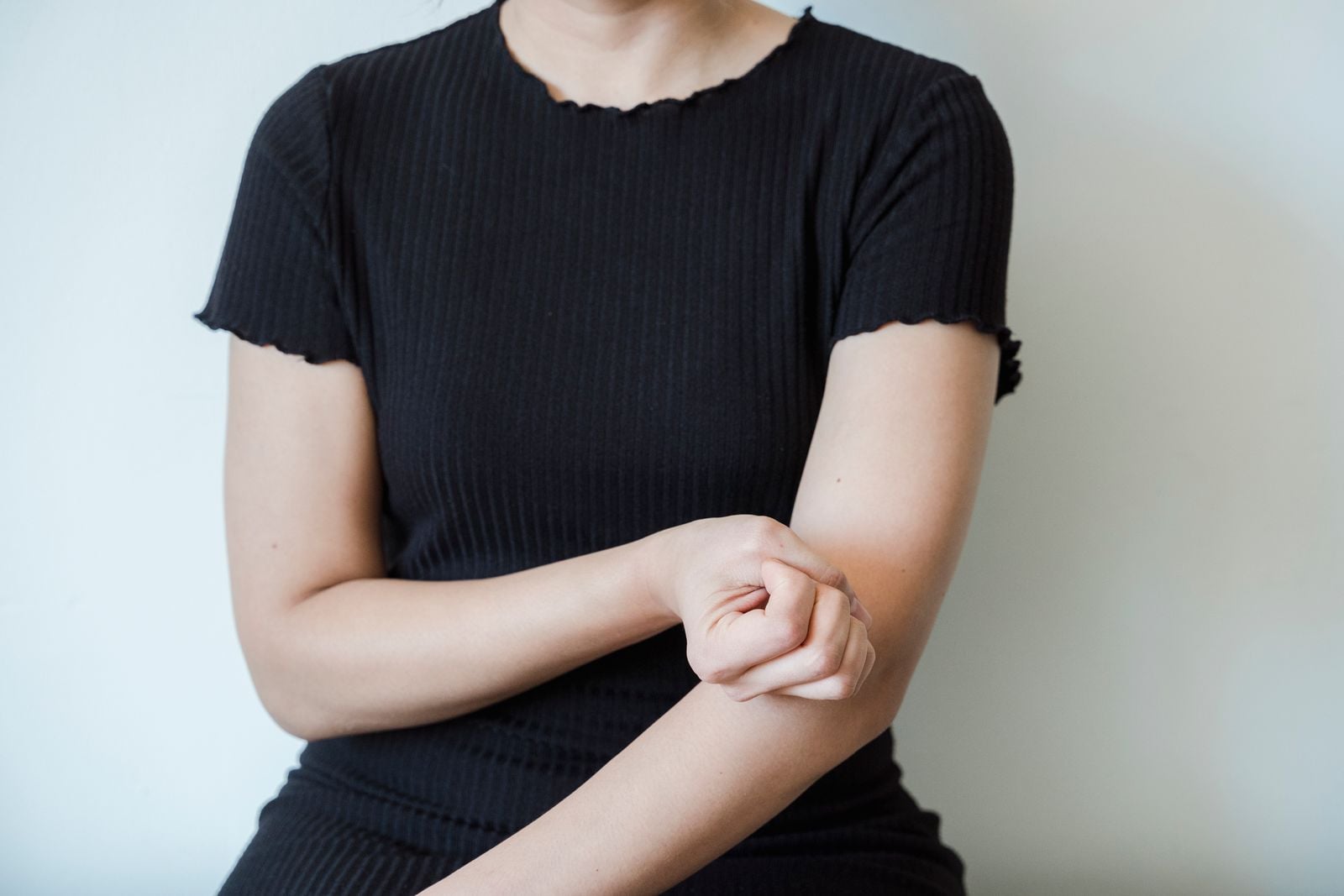
Understanding Tennis Elbow
Tennis elbow, medically known as lateral epicondylitis, is a painful condition affecting the tendons that attach to the bony bump on the outside of your elbow. Despite its name, most people who develop tennis elbow do not play tennis. It is most often caused by repetitive gripping, grasping or twisting motions that strain the forearm muscles and tendons. The pain usually develops gradually and can make simple tasks like shaking hands, turning a doorknob or lifting a coffee cup surprisingly uncomfortable. It most often affects adults in middle age, and many people live with symptoms for months before seeking care, hoping the pain will go away on its own.
The primary cause of tennis elbow is overuse and repetitive stress on the extensor carpi radialis brevis muscle and tendon. Repeated strain creates tiny tears in the tendon tissue, leading to irritation, degeneration and persistent pain. Risk factors include occupations that require repetitive arm and wrist movements, such as carpentry, painting, plumbing, typing and assembly line work. Age also plays a role, since tendons become less flexible and more prone to injury over time. Poor technique in sports or work tasks, inadequate conditioning, sudden increases in activity and equipment that is too heavy or poorly sized can all contribute. Smoking, which reduces blood flow to tendons, and conditions like diabetes and rheumatoid arthritis that affect tissue healing are additional risk factors.
Without appropriate care, tennis elbow can become a long-standing problem that limits grip strength and arm function. Many people try to push through the pain or rely only on over-the-counter pain medicine, which may mask symptoms for a while but does not address the tendon or the mechanics that strain it. At KC Wellness and Physiotherapy, Dr. Casey starts with a thorough assessment and then uses targeted, hands-on treatment and progressive exercise to support natural healing, restore proper mechanics and reduce the chance of recurrence. Care looks beyond the elbow to the wrist, shoulder and neck, so the factors contributing to your pain are addressed along with the sore spot.
Signs & Symptoms of Tennis Elbow
- Outer elbow pain: Sharp or burning pain on the outer side of the elbow that may radiate down the forearm.
- Weak grip strength: Noticeable decrease in hand and forearm strength, making it hard to hold objects firmly.
- Pain with wrist extension: Discomfort when bending the wrist backward or lifting objects with the palm down.
- Tenderness to touch: The bony bump on the outside of your elbow is painful when pressed or touched.
- Morning stiffness: Elbow feels tight and painful when first waking up or after periods of rest.
- Pain during repetitive movements: Symptoms worsen with activities like typing, using hand tools or playing sports.
- Radiating forearm discomfort: Aching or tingling sensation that extends from the elbow down toward the wrist.
- Increased pain with resistance: Symptoms intensify when turning doorknobs, shaking hands or performing resisted wrist movements.
- Difficulty gripping objects: Weakness and pain when holding tools, utensils or everyday items.
- Trouble with work tasks: Reduced productivity and difficulty completing job responsibilities that require arm use.
- Avoidance of activities: Withdrawing from hobbies, sports or recreational activities due to pain.
- Sleep disruption: Difficulty sleeping due to elbow pain, especially when lying on the affected side.
- Frustration and anxiety: Emotional distress from persistent pain and functional limitations.
- Dependence on others: Needing help with basic tasks like opening jars, carrying groceries or household chores.
- Reduced quality of life: Overall decreased satisfaction with daily functioning and personal independence.
What to Expect
- A thorough assessment of the elbow, forearm, wrist and shoulder to identify the structures involved and contributing mechanics
- Hands-on care such as Active Release Technique and myofascial release aimed at scar tissue and adhesions in the forearm
- Progressive rehabilitation exercises that advance from gentle stretching to strengthening
- Supportive options including dry needling, kinesio taping and Class IV laser therapy for pain reduction
- A personalized plan built around your symptoms, work demands, sport and lifestyle
- A conservative, non-surgical approach with referral when further evaluation is needed
How We Treat Tennis Elbow
Comprehensive Assessment
Your first visit includes a thorough evaluation of your elbow, forearm and wrist to identify the specific structures involved and contributing factors. Dr. Casey assesses range of motion, grip and wrist strength, pain patterns and functional limitations with orthopedic tests, and checks the neck and shoulder for problems that can add strain to the elbow.
Personalized Treatment Plan
Based on the findings, Dr. Casey builds a plan that may combine Active Release Technique and myofascial release for the forearm muscles, dry needling for tight, painful trigger points, kinesio taping for support without restricting motion, Class IV laser therapy for pain reduction, chiropractic adjustments where the neck and upper back are involved, and physiotherapy exercises. He explains each part of your care, sets realistic expectations and establishes goals so you know what to expect.
Ongoing Care & Prevention
Recovery from tennis elbow takes consistent care. Regular progress checks show how you are responding, and the plan is adjusted to keep healing on track. Beyond symptom relief, the focus includes ergonomic changes, technique training and targeted strengthening, with the goal of preventing recurrence and keeping your arm working well.
Benefits
Sports Rehabilitation Background
Dr. Kowin Casey is a chiropractic physician with a certification in Physiotherapy, emphasis in Sports Rehabilitation, and a background as a strength and conditioning specialist, which shapes how he approaches overuse injuries like tennis elbow.
Personalized, Patient-Centered Approach
Every case of tennis elbow is different. Your plan is based on your symptoms, goals, work demands and lifestyle. We listen carefully, answer your questions and involve you as an active partner in your care, and your treatment adapts as you progress.
Convenient Telehealth Options
Telemedicine appointments by voice and video are available when coming to the office is not practical, for example to talk through symptoms or go over your home exercises. Telemedicine visits are billed just like a regular office visit.
Many Therapies Under One Roof
Active Release Technique, dry needling, kinesio taping, Class IV laser therapy, chiropractic care and physiotherapy are all available in one office at 1815 Grand Blvd. in Kansas City.
Your Treatment Journey
First Evaluation
Your first appointment includes a history, physical examination and orthopedic testing to confirm tennis elbow and identify contributing factors. Dr. Casey will ask about your symptoms, aggravating activities, previous treatments and goals, then explain your condition and recommended plan. You will leave with clear instructions for home care and activity modification.
Active Treatment
This phase combines hands-on care, supportive therapies and progressive rehabilitation exercises. Sessions focus on easing pain, supporting tissue healing, restoring proper mechanics and gradually building strength and function. You will learn better techniques for daily activities and work tasks to avoid re-injury. Pain and grip often improve before the tendon has fully healed, so consistency with home exercises and activity changes matters throughout.
Progress Review
As symptoms improve, Dr. Casey reassesses your progress using grip strength, pain levels and function. Based on how you are responding, the plan may advance your exercises, change techniques that are not helping, or begin the transition to self-management. Visits usually become less frequent as you grow more independent.
Long-Term Management
Tendons heal slowly, and full recovery from tennis elbow can take a while even after you are back to most activities. Long-term management focuses on keeping your gains, continuing strengthening to build tendon resilience, and preventing recurrence with guidance on warm-ups, equipment, ergonomics and technique for work and recreation. Dr. Casey is available if symptoms start to return.
Impact on Daily Life
Tennis elbow can affect far more than sports. Gripping a steering wheel, carrying groceries, typing, using hand tools or lifting a child can all become painful, and many people start avoiding tasks or relying on the other arm. If you recognize these signs, help is available. Addressing tennis elbow early can help keep it from becoming a long-standing problem.
Treatment Options for Tennis Elbow
Care for tennis elbow at KC Wellness and Physiotherapy draws on the services the office offers. Active Release Technique and myofascial release target scar tissue, adhesions and tight forearm muscles. Dry needling, with optional electrical stimulation, may provide relief for muscular pain and stiffness and may improve flexibility and range of motion. Class IV laser therapy is used for pain reduction, and kinesio taping offers support without restricting motion. Chiropractic adjustments address restrictions in the neck and upper back that can add strain through the arm.
Physiotherapy and therapeutic exercise progress from gentle stretching to strengthening, including eccentric exercise, a well-established approach for tendon problems, and finally to functional training that prepares you to return to work and recreation. A forearm strap may be suggested to take some load off the tendon while it heals. Throughout your care, Dr. Casey provides guidance on activity modification, ergonomics and self-care so you can take an active part in your recovery.
About the practice
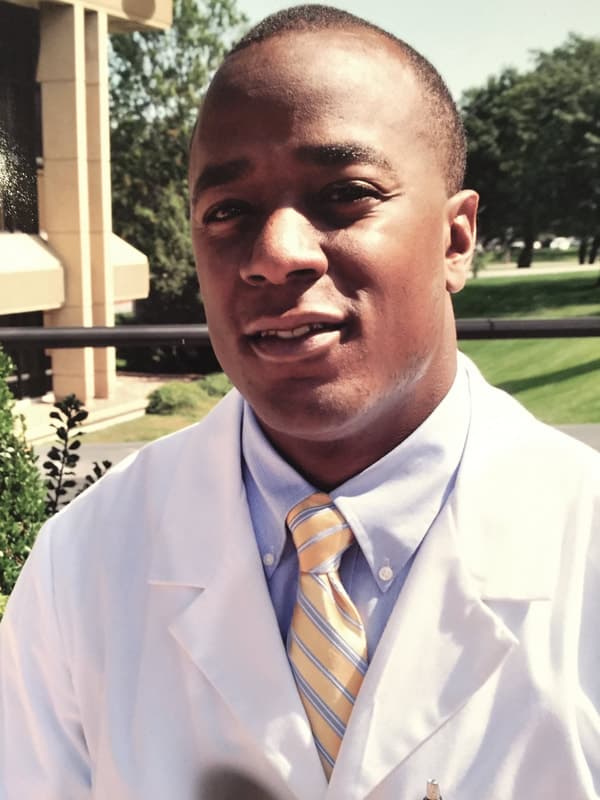
KC Wellness and Physiotherapy was founded by Dr. Kowin Casey, DC, a chiropractic physician who received a certification in physiotherapy with an emphasis in sports rehabilitation.
Common Questions About Tennis Elbow
How long does tennis elbow treatment take?
Recovery time varies with the severity of the condition, how long symptoms were present before treatment, and individual healing factors. Cases caught early tend to settle sooner, while tennis elbow that has been present for many months usually takes longer. Tendons heal slowly, so improvement often continues well after pain first begins to ease. Following your home exercises, modifying aggravating activities, your overall health and keeping up with appointments all influence healing time. Dr. Casey will give you realistic expectations after your examination.
Will I need medication for tennis elbow?
Many people manage tennis elbow without prescription medication. Hands-on care, supportive therapies and progressive exercise are aimed at reducing pain and addressing the cause. If pain is interfering with sleep and function, talk with your primary care physician about medication options. When needed, you may be referred to an appropriate medical specialist.
Does insurance cover tennis elbow treatment?
We accept all major insurance plans. Call our office at (913) 424-2410 to confirm your coverage before your visit.
What if treatment isn't working?
Progress is monitored throughout your care. If you are not improving as expected, Dr. Casey reassesses your condition to look for barriers to healing, such as continued aggravating activities, difficulty keeping up with home care, or factors that were not apparent at first. Treatment may be modified, supportive therapies added, or your exercise program adjusted. If conservative care is not producing adequate results, you may be referred to a medical specialist, such as an orthopedic physician, for further evaluation and options like injections or, in some cases, a surgical opinion. Your wellbeing is the priority, even when that means a referral.
Can telehealth appointments work for tennis elbow treatment?
Hands-on treatment is a key part of care for tennis elbow, so hands-on sessions take place in the office. KC Wellness and Physiotherapy also offers telemedicine appointments by voice and video, which can be a practical way to talk through symptoms, go over your home exercises and check on progress when you cannot come in. Telemedicine visits are billed just like a regular office visit.
Do I need to stop working or playing sports during treatment?
Complete rest is rarely necessary. Strategic activity modification is important, especially early on. Dr. Casey will help you identify and temporarily change the movements that aggravate your condition, which might mean adjusting your grip on tools, changing your keyboard position, reviewing your racket or equipment, or reducing the volume of aggravating activities for a while. The goal is relative rest for the injured tendon while keeping the rest of your arm working. Many people keep working with ergonomic changes, and athletes may need to reduce training intensity or volume temporarily before a gradual return to full participation.
Related Conditions
Service
Active Release Technique & Myofascial Release
Hands-on soft tissue work for scar tissue, adhesions and tight forearm muscles common in overuse injuries.
Service
Dry Needling
Trigger point needling, with optional electrical stimulation, that may relieve muscular pain and stiffness.
Related Condition
Carpal Tunnel Syndrome
Numbness, tingling and weakness in the hand caused by median nerve compression at the wrist.
Get Help for Tennis Elbow Today
You don't have to face tennis elbow alone. Dr. Casey can help you find relief and restore function.