
Accelerate Athletic Recovery with Muscle Scraping and Return to Competition
Muscle scraping (IASTM) reduces recovery time from sports injuries by targeting scar tissue, improving tissue quality, and restoring sport-specific movement patterns.
What to Expect
- Repetitive athletic movement creates micro-trauma and scar tissue that limits performance and increases re-injury risk
- Muscle scraping breaks up fascial adhesions and restores normal tissue gliding to improve force transmission
- Athletes see faster return to sport when scraping is combined with progressive sport-specific rehabilitation
- Treatment can address both acute injuries (strains, sprains) and chronic overuse conditions
- Early intervention during the acute phase reduces chronic adhesions that persist after traditional rest
- Sport-specific exercise follows scraping to rebuild power, proprioception, and confidence in movement
Benefits
Reduced Recovery Timeline
By addressing scar tissue and fascial restrictions during the acute phase, muscle scraping helps athletes return to sport sooner than passive recovery alone. This reduces deconditioning and the psychological burden of extended sideline time.
Improved Tissue Quality and Resilience
Scraping remodels scar tissue into functional, resilient tissue that withstands sport-specific demands. This superior tissue quality lowers re-injury rates compared to tissue that has not received focused myofascial care.
Sport-Specific Movement Restoration
Removing fascial adhesions allows athletes to regain full range of motion, force production, and proprioception needed for their sport. Scraping clears mechanical barriers so rehabilitation can focus on skill and conditioning.
Prevention of Chronic Complications
Unmanaged sports injuries often develop chronic stiffness or altered movement patterns that lead to new injuries elsewhere. Proactive scraping in the acute phase prevents these long-term consequences.
About the practice
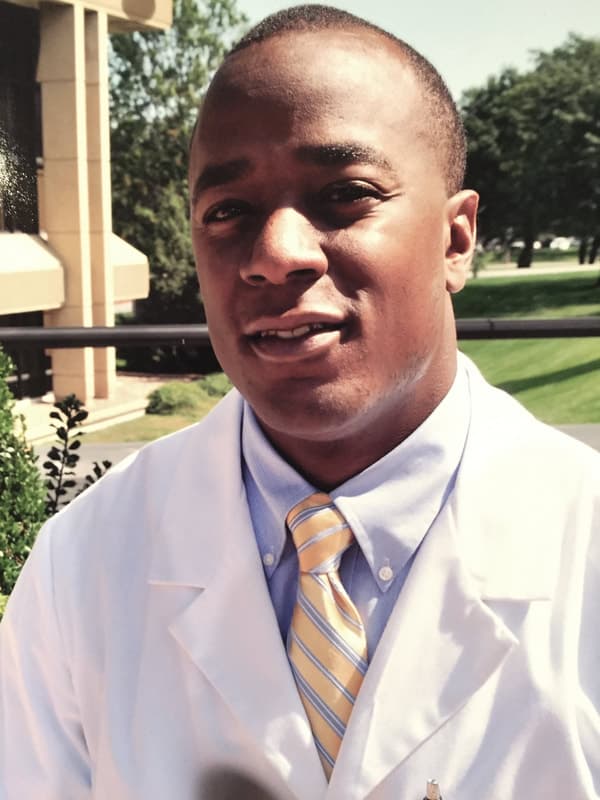
KC Wellness and Physiotherapy was founded by Dr. Kowin Casey, DC, a chiropractic physician who received a certification in physiotherapy with an emphasis in sports rehabilitation.
Common Questions About Muscle Scraping for Sports Injury Recovery
Can I use muscle scraping during active sports season?
Yes. Muscle scraping is designed to accelerate recovery between sessions or competitions. Your practitioner will time treatments to support your competition schedule and integrate them with your training plan.
How soon after a sports injury should I start scraping?
Timing depends on the injury type and severity. Early intervention, within the acute phase, is generally beneficial, but your provider must assess inflammation, wound integrity, and your sport's demands before beginning. Discuss with your practitioner and your athletic team.
Does muscle scraping replace ice and rest after injury?
No. Rest and ice manage acute inflammation. Muscle scraping begins once acute inflammation is controlled and integrated with progressive rehabilitation. Both approaches work together to optimize recovery.
Will scraping help me avoid re-injury?
Scraping reduces chronic adhesions that weaken tissue and disrupt movement patterns, both risk factors for re-injury. Combined with sport-specific strength and proprioception training, it significantly lowers re-injury rates.
Related Services
Procedure
Muscle Scraping (IASTM)
Discover how instrument-assisted soft tissue mobilization breaks up scar tissue and restores function.
Procedure
Sports Injury Care & Team Physicals
Learn about comprehensive sport-specific injury assessment and treatment from trained sports medicine practitioners.
Condition
Sports Injuries
Explore common athletic injuries and evidence-based recovery strategies to return to competition.