
Knee Pain Treatment in Kansas City
Knee pain can limit your mobility, your independence and the activities you enjoy. At KC Wellness and Physiotherapy, Dr. Kowin Casey works to identify what is driving your knee pain and builds a plan that combines physiotherapy, chiropractic care and sports injury rehabilitation to help you get moving again.
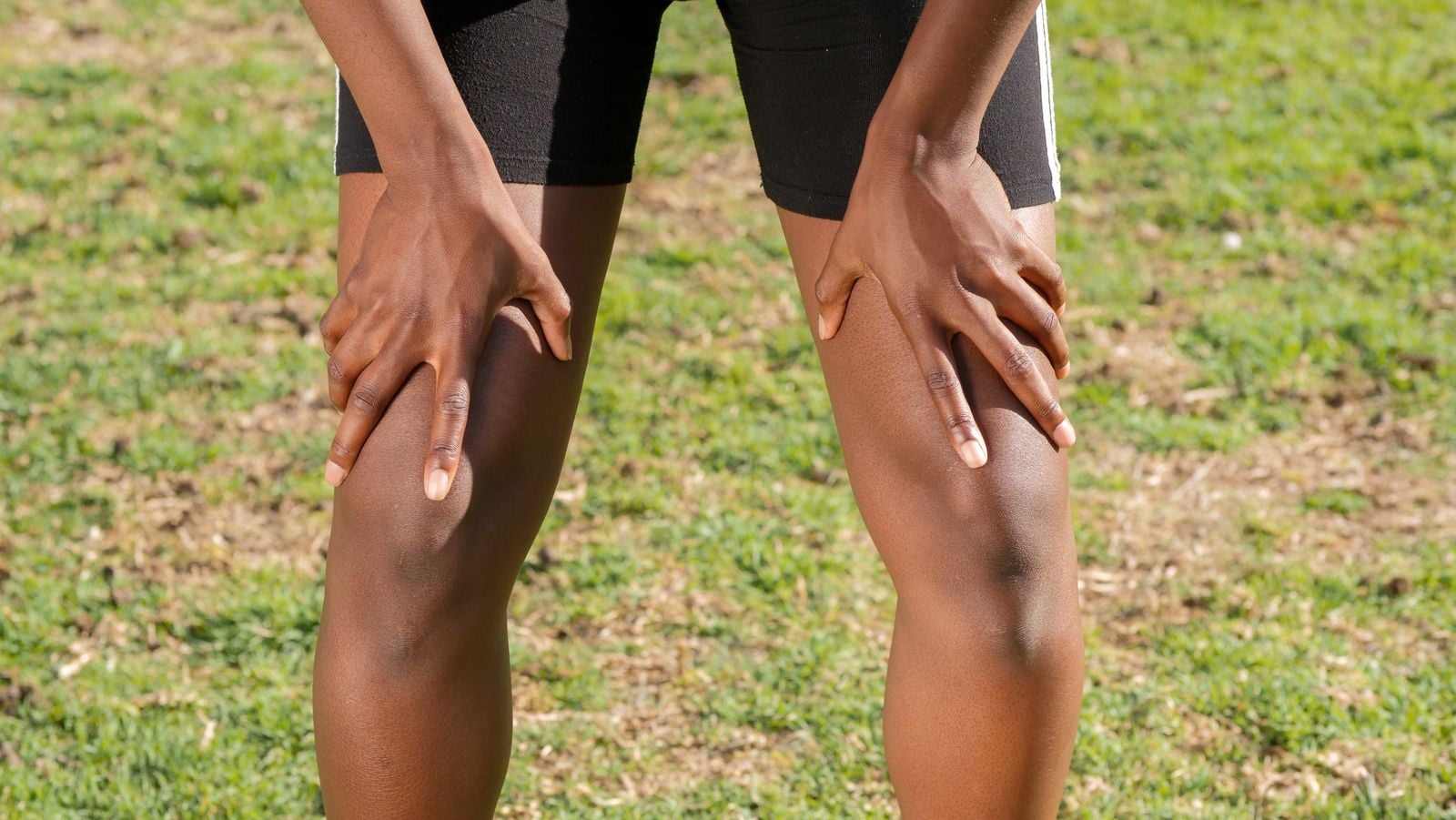
Understanding Knee Pain
Knee pain is one of the most common musculoskeletal complaints, affecting people of all ages, from active teenagers and young athletes to working professionals and older adults. The knee is the largest joint in the body and bears significant weight and stress during everyday activities like walking, climbing stairs, standing and exercising. When knee pain develops, it can affect your ability to work, exercise, enjoy recreational activities and even perform simple tasks like getting in and out of a car, and it is a frequent reason people become less active than they want to be.
The causes of knee pain are diverse and range from acute injuries like ligament tears, meniscus damage or fractures to chronic degenerative conditions such as osteoarthritis, patellofemoral pain syndrome and tendinitis. Risk factors include previous knee injuries, overuse from repetitive activities or sports, excess body weight that places additional stress on the joint, muscle imbalances or weakness in the surrounding leg muscles, poor biomechanics or alignment issues, and age-related wear and tear. Athletes involved in running, jumping or pivoting sports are particularly vulnerable, as are people with physically demanding jobs. Understanding the underlying cause of your knee pain is essential to an effective plan that addresses not just symptoms but the mechanical and functional problems contributing to your discomfort.
Knee problems that are left unaddressed can worsen over time, leading to ongoing inflammation, compensatory movement patterns that strain other joints, and reduced activity. Over-the-counter pain relievers, rest and ice can ease symptoms, but they do not address underlying mechanics, muscle imbalances or joint dysfunction. At KC Wellness and Physiotherapy, Dr. Casey takes a whole-body approach to knee pain, examining the knee along with the hip, ankle and foot, and combining physiotherapy, therapeutic exercise, chiropractic care and soft tissue work, with the aim of helping you restore function, ease pain and return to the activities you enjoy.
Signs & Symptoms of Knee Pain
- Difficulty Walking or Climbing Stairs: Pain, stiffness, or weakness that makes walking, especially on inclines or stairs, challenging or uncomfortable.
- Stiffness After Rest: Knee feels tight or difficult to bend after sitting for extended periods or first thing in the morning.
- Swelling or Visible Inflammation: The knee appears puffy, swollen, or warm to the touch, indicating fluid accumulation or inflammation in the joint.
- Instability or Buckling: Feeling that the knee might give way or buckle during weight-bearing activities, creating fear of falling.
- Clicking, Popping, or Grinding Sounds: Audible noises (crepitus) when bending or straightening the knee, which may or may not be accompanied by pain.
- Reduced Range of Motion: Inability to fully bend or straighten the knee, limiting activities like squatting, kneeling, or running.
- Pain That Worsens With Activity: Discomfort increases during exercise, prolonged standing, or repetitive movements like running or jumping.
- Sharp or Aching Pain: Pain that may be localized to the front, sides, or back of the knee, ranging from dull aches to sharp, stabbing sensations.
- Difficulty Sleeping: Nighttime pain or inability to find a comfortable sleeping position due to knee discomfort disrupts rest and recovery.
- Avoidance of Physical Activities: Reluctance to participate in sports, exercise, or recreational activities due to fear of pain or further injury.
- Weakness in the Leg: Reduced strength in the quadriceps, hamstrings, or calf muscles surrounding the knee, affecting balance and function.
- Limping or Altered Gait: Compensatory walking patterns develop to avoid pain, which can lead to additional stress on hips, ankles, and the lower back.
- Tenderness to Touch: Specific areas around the kneecap, joint line, or tendons are painful when pressed or palpated.
- Emotional Frustration or Anxiety: Chronic knee pain can lead to feelings of helplessness, worry about long-term disability, or frustration with limitations on daily life.
What to Expect
- A thorough assessment of your history, the knee itself and how you move, to find the source of your pain
- Physiotherapy and therapeutic exercise to strengthen the quadriceps, hamstrings, glutes and core muscles that support the knee
- Chiropractic care that addresses the hip, pelvis and lower back, which influence how the knee is loaded
- Soft tissue options including Active Release Technique, myofascial release and dry needling
- Kinesio taping for support without restricting motion, and Class IV laser therapy as part of care aimed at pain reduction
- Guidance on movement, home exercise and activity changes to help keep your knees healthy
How Dr. Casey Treats Knee Pain
Comprehensive Assessment
Care begins with a thorough evaluation: your history, an examination of the knee, range of motion testing, strength and stability assessments, and a look at how you walk and move. Dr. Casey works to identify whether the problem is structural, mechanical or related to muscle imbalances, and imaging may be recommended if the exam calls for it.
Personalized Treatment Plan
Based on your diagnosis, Dr. Casey develops a plan that may combine physiotherapy and rehabilitation exercise to strengthen supporting muscles and improve stability, chiropractic care for the hip, pelvis and lower back, and soft tissue work such as Active Release Technique or dry needling. Your plan reflects your activity level, your goals and your specific knee condition.
Ongoing Care & Prevention
Dr. Casey monitors your progress at follow-up visits and adjusts the plan as you improve. The focus extends beyond pain relief to long-term joint health and injury prevention, with guidance on movement, home exercise and lifestyle changes that help keep your knees healthy.
Benefits
Care From Dr. Casey
Dr. Kowin Casey is a licensed chiropractic physician with a certification in Physiotherapy, emphasis in Sports Rehabilitation, and a background as a strength and conditioning specialist.
An Athlete's Perspective
Dr. Casey lettered in football and track as an NCAA athlete at the University of Central Missouri and later served as an assistant coach for the Mules and Jennies athletic programs. He works with local schools and students, and getting you back to your sport or activity is part of the plan.
Personalized Treatment Plans
Every person's knee pain is different. We meet people where they are, and your plan is built around your diagnosis, lifestyle, activity goals and preferences.
Telemedicine Visits
Virtual appointments are available for some visits, such as follow-up conversations and progress check-ins. Hands-on treatment takes place in our Kansas City office.
Your Treatment Journey
First Visit and Evaluation
Your first visit includes a detailed history, a physical assessment, orthopedic testing and movement analysis. Dr. Casey discusses your symptoms, goals and concerns, explains what he found and outlines a treatment plan so you understand your condition and the road ahead.
Early Treatment
Early care focuses on reducing pain, improving range of motion and restoring normal movement patterns. Depending on your plan, this may include physiotherapy with a progressive exercise program, chiropractic care and soft tissue work. How often you come in depends on severity, and progress varies with the underlying condition and how long it has been present.
Progress Review
As you improve, visits become less frequent and the focus shifts toward strengthening, functional training and preventing recurrence. Dr. Casey reassesses your strength and mobility and adjusts the plan. Recent injuries often reach their goals sooner, while chronic or degenerative conditions may need longer management.
Long-Term Management
Once you reach your goals, Dr. Casey helps you put together a maintenance plan that may include periodic check-ins, a home exercise program, activity modifications and strategies to prevent future injury. The goal is to give you the knowledge and skills to look after your knees on your own.
Treatment Options at KC Wellness and Physiotherapy
Knee pain care draws on the services offered in our Kansas City office. Physiotherapy and rehabilitation exercise focus on strengthening the quadriceps, hamstrings, glutes and core, with balance and control work to help prevent instability. Chiropractic care addresses the hip, pelvis and lower back, which influence how load reaches the knee. Active Release Technique and myofascial release address muscle tension around the knee, and dry needling may provide relief for some muscular pain and stiffness.
Kinesio taping is available for the knee and can offer support without restricting motion. Class IV laser therapy is used as part of care aimed at pain reduction. For athletes and students, sports injury care and sports and team physicals are also available. If imaging may be recommended, or a structural problem such as a significant ligament tear needs an orthopedic opinion, Dr. Casey will tell you and refer you.
When to Seek Prompt Medical Care
Some knee problems need medical attention first. Seek prompt medical care if you cannot bear weight after an injury, if the knee swells quickly after a twist or blow, if it locks and will not straighten, if it looks deformed, or if it is hot, red and swollen with a fever.
About the practice
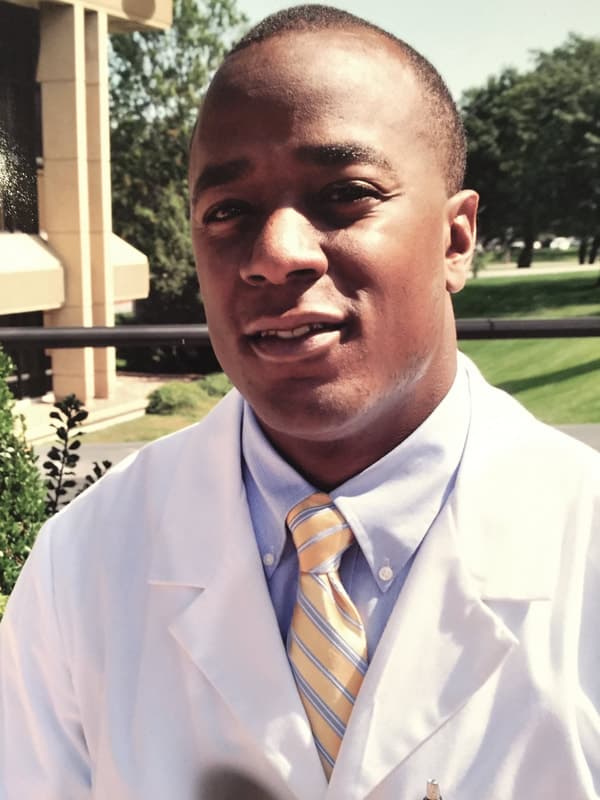
KC Wellness and Physiotherapy was founded by Dr. Kowin Casey, DC, a chiropractic physician who received a certification in physiotherapy with an emphasis in sports rehabilitation.
Common Questions About Knee Pain
How long does treatment for knee pain typically take?
It varies with the cause, severity, how long you have had symptoms and individual factors. Mild sprains or strains often respond sooner; chronic conditions such as osteoarthritis or patellofemoral pain usually need a longer course of care with ongoing self-management; and complex cases involving ligament injuries or recovery after surgery can take longer still. After your evaluation, Dr. Casey will discuss realistic expectations for your diagnosis and adjust the plan as he monitors your progress.
Will I need medication or injections for knee pain?
Many people with knee pain improve with conservative care such as exercise, manual therapy and activity changes, without injections. Care here looks for the mechanical and functional problems that may be contributing to your pain. Dr. Casey is a chiropractic physician and does not prescribe medication, so questions about medication or injections belong with your medical doctor or an orthopedic specialist, and he will refer you when that makes sense.
How do I find out about insurance coverage?
We accept all major insurance plans. Call our office at (913) 424-2410 to confirm your coverage before your visit.
What if treatment isn't helping my knee pain?
Every case is different, and some knee conditions need more than conservative care. If you are not progressing as expected, Dr. Casey will re-evaluate your knee, recommend imaging if it has not been done and discuss other options. That may include a referral to an orthopedic specialist, or a surgical consultation if a structural problem such as a significant ligament tear or advanced cartilage damage is suspected. Your recovery comes first, even when that means sending you to another provider.
Can telehealth appointments work for knee pain treatment?
Hands-on treatment happens in person, but telemedicine visits are offered and can be useful at certain stages of care, such as talking through new symptoms or checking in on your progress and home exercises. At the visit time, a nurse calls to take your history, then Dr. Casey joins by voice and video. If imaging or lab work may be needed, he will explain the next steps. Telemedicine visits are billed just like a regular office visit.
Should I stop exercising if I have knee pain?
Complete rest is rarely the best approach for knee pain. You should avoid activities that cause sharp pain or clearly aggravate your symptoms, but appropriate movement and exercise are important for recovery and joint health. The key is adjusting the type and amount of activity for your condition. Low-impact options such as swimming, cycling or an elliptical often let you stay active with less stress on the knee, and strengthening the muscles around the knee can reduce pain and improve function. Dr. Casey will give you specific guidance on what to continue, modify or pause, along with a progressive exercise program matched to your tolerance and goals.
Related Conditions
Service
Sports Injury Care & Team Physicals
Care for sports-related knee injuries, plus sports and team physicals for athletes and students.
Service
Physiotherapy & Rehabilitation
Therapeutic exercise to strengthen the muscles that support the knee and help restore stability.
Service
Kinesio Taping
Therapeutic tape for the knee that offers support without restricting motion.
Get Help for Knee Pain
Let's get started on your healing journey. Request an appointment online and our office will call you to confirm a time, or call (913) 424-2410.