
Headache and Migraine Care in Kansas City
Frequent headaches and migraines can disrupt your work, your relationships and your overall well-being. At KC Wellness and Physiotherapy, Dr. Kowin Casey looks for the neck, posture, muscle and lifestyle factors that can contribute to your headaches and uses conservative, drug-free care to address them.

Understanding Headaches and Migraines
Headaches and migraines are among the most common neurological complaints. Occasional headaches are normal, but frequent or severe headaches can be disabling. Migraines are complex neurological events, often with intense, throbbing pain, nausea, sensitivity to light and visual disturbances, and they are more common in women than in men. Tension-type headaches are the most common form of headache. Beyond the pain itself, headaches can lead to missed workdays, lower productivity and emotional strain, and many people rely on over-the-counter medication to get through an episode.
Headaches have many possible contributors, including neck joint dysfunction, muscle tension, posture, jaw problems (TMJ), stress, hormonal changes, dietary triggers, poor sleep, dehydration and environmental factors. Long hours at a computer or looking down at a phone encourage a forward head posture that strains the muscles at the base of the skull, and stress tends to tighten the neck, shoulders and jaw, which can refer pain into the head. Risk factors include a family history of migraines, hormonal triggers, inadequate sleep and jobs that involve sustained neck positions or high stress. Migraines often begin in adolescence or young adulthood. Because these factors are connected, it helps to look at the whole picture.
Headaches often have muscle, joint, nerve and lifestyle components, and medication alone does not address posture or muscle imbalances. Chiropractic care offers a conservative, drug-free option that focuses on restoring joint motion in the neck and upper back, easing muscle tension and correcting posture. At KC Wellness and Physiotherapy, Dr. Casey combines chiropractic adjustments, soft tissue therapy, posture correction and education to address the factors behind your headaches. Migraine is a neurological condition, so if you have frequent or severe migraines, Dr. Casey's care is meant to complement, not replace, care from your physician.
Signs & Symptoms of Headaches and Migraines
- Throbbing or Pulsating Pain: Intense, rhythmic pain often on one side of the head that worsens with physical activity.
- Visual Disturbances (Aura): Flashing lights, blind spots or zigzag patterns preceding or during migraine attacks.
- Sensitivity to Light and Sound: Photophobia and phonophobia that make normal environments unbearable during episodes.
- Nausea and Vomiting: Digestive symptoms that frequently accompany migraine attacks and can be severely debilitating.
- Dizziness: Lightheadedness with headaches. Sudden dizziness with a new, severe headache or neck pain needs emergency care.
- Difficulty Concentrating: Cognitive fog, confusion, and inability to focus that impairs work performance and daily tasks.
- Numbness or Tingling: Pins-and-needles in the hands or arms. New numbness in the face or on one side of the body needs emergency care.
- Neck and Shoulder Tension: Muscle tightness and stiffness in the cervical region that often triggers or accompanies headaches.
- Jaw Pain or Clenching: TMJ dysfunction and bruxism that contribute to tension-type headaches and facial pain.
- Sleep Disturbances: Difficulty falling asleep, staying asleep, or waking with headaches due to nocturnal pain patterns.
- Fatigue and Low Energy: Chronic exhaustion that persists even with adequate rest, often accompanying frequent headache episodes.
- Avoidance of Activities: Withdrawal from social events, exercise, or hobbies due to fear of triggering headache episodes.
- Mood Changes: Irritability, anxiety, or depression that develops in response to chronic pain and lifestyle limitations.
- Medication Overuse: Frequent use of pain relievers that can paradoxically lead to rebound headaches and medication dependency.
- Postural Changes: Forward head posture, rounded shoulders, and compensatory movement patterns that perpetuate symptoms.
What to Expect
- A detailed headache history to identify your headache type, triggers and contributing factors
- An exam of neck and upper back motion, muscle tension, posture, jaw and nerve function
- Chiropractic adjustments to restore motion in the neck and upper back
- Active Release Technique, myofascial release and dry needling for tight neck, shoulder and jaw muscles
- Posture, workstation, sleep and stress guidance, plus personalized nutrition coaching for dietary triggers
- Referral to your physician or a neurologist when headaches need medical evaluation
How We Approach Headaches and Migraines
Comprehensive Assessment
Care begins with a detailed history of your headache patterns, triggers and lifestyle. Dr. Casey's examination looks at neck alignment, joint mobility, muscle tension, posture and neurological function to identify the factors that may be driving your headaches, and to spot warning signs that call for medical evaluation.
Personalized Treatment Plan
Based on your assessment, Dr. Casey builds a plan around your headache pattern. It may include chiropractic adjustments to the neck and upper back, soft tissue work such as Active Release Technique, myofascial release or dry needling, therapeutic exercise and posture correction. He explains what to expect at each stage and adjusts the plan as you respond.
Ongoing Care & Prevention
As you improve, the focus shifts to prevention and self-management. You learn posture habits, workstation changes, stress management approaches and exercises that support a healthy neck, and progress checks help decide how often you need to be seen. The goal is to give you the tools to manage headaches on your own.
Benefits
A Licensed Chiropractic Physician
Dr. Kowin Casey, DC, earned his Doctorate in Chiropractic with honors from Cleveland Chiropractic College and has training in a multitude of chiropractic adjusting techniques.
Personalized, Patient-Centered Approach
We listen carefully to understand the challenges you are facing. Your plan is built around your headache type, triggers, lifestyle and goals, and care follows a participative approach to health.
Nutrition and Lifestyle Support
With a background in nutrition, Dr. Casey can help you look at dietary triggers, hydration and daily habits through personalized nutrition and wellness coaching.
Telehealth Available
Virtual visits by voice and video are available for some appointments, which can help when symptoms make travel difficult. Hands-on care takes place in the office.
Your Treatment Journey
Your First Visit
New patients can fill out the intake forms before arriving. Your first visit includes a headache history, physical examination, posture assessment and neurological screening. Dr. Casey works to identify your headache type, triggers and contributing factors, and you leave with a clear explanation and a care plan.
Early Care
Visits are more frequent at first and combine adjustments, soft tissue work and corrective exercise aimed at the factors behind your headaches. You also learn about triggers, posture and self-care strategies to use between visits. Keeping a headache diary helps you and Dr. Casey see how frequency and intensity change.
Progress Reviews
As things improve, visits are spaced further apart. Progress is reviewed using your headache diary, pain ratings and how you are functioning day to day, and the plan shifts increasingly toward prevention.
Long-Term Management
Once your headaches are better controlled, the focus is on keeping them that way. Some people choose periodic visits, for example during stressful stretches, while others manage on their own with the tools they have learned and return if headaches flare. The goal is lasting relief, not ongoing dependence on treatment.
Treatment Options for Headaches
Conservative care for headaches addresses the neck, the muscles around it and the habits that load them. Chiropractic adjustments restore motion in the neck and upper back. Active Release Technique, myofascial release and dry needling target tension and trigger points in the muscles at the base of the skull, the upper shoulders and the jaw, which commonly refer pain into the head. Postural rehabilitation addresses forward head posture and rounded shoulders, and education covers workstation setup, pillow choice and movement habits that support a healthy neck. Personalized nutrition and wellness coaching can help you identify dietary triggers and look at hydration, sleep and stress. When your headaches need medical evaluation or medication, Dr. Casey will refer you to your physician or a specialist such as a neurologist.
When to Seek Immediate Care
Some headaches need emergency care. Seek emergency care right away for a sudden, severe headache that feels like the worst of your life, a headache with fever and a stiff neck, confusion, fainting, sudden dizziness or vision loss, weakness or numbness on one side of the body, trouble speaking or seeing, or a headache after a head injury. A new headache pattern later in life, or headaches that keep getting worse, also need prompt medical evaluation.
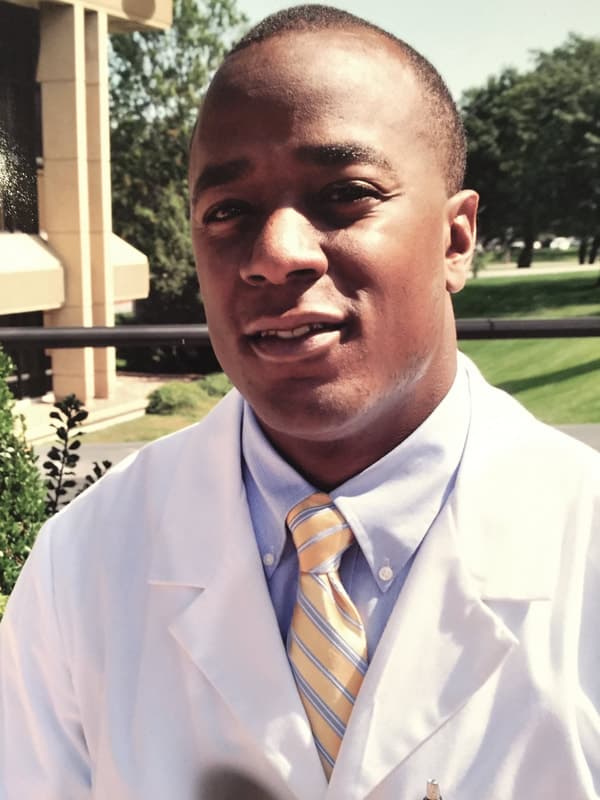
About the practice
KC Wellness and Physiotherapy was founded by Dr. Kowin Casey, DC, a chiropractic physician who received a certification in physiotherapy with an emphasis in sports rehabilitation.
Common Questions About Headaches and Migraines
How long does treatment for headaches and migraines take?
It varies with the type of headache, how long you have had them and other individual factors. Tension-type and neck-related headaches are the kind most likely to respond to conservative care. Migraines are usually best managed together with your physician. Dr. Casey provides a realistic outlook at your first visit and tracks your progress so the plan can be adjusted.
Is medication required as part of the treatment plan?
Dr. Casey's care is conservative and non-drug. He does not prescribe medication and will never advise you to stop a prescribed medication without talking to the physician who prescribed it. For some people, particularly those with migraines, the best plan combines conservative care with medical care from their own doctor.
Does insurance cover chiropractic treatment for headaches?
We accept all major insurance plans. Call our office at (913) 424-2410 to confirm your coverage before your visit.
What if chiropractic treatment isn't helping my headaches?
Dr. Casey monitors your progress throughout care. If you are not improving as expected, he reassesses your condition and may change the approach. Some headaches have causes that need medical care, such as blood vessel problems, hormonal changes or neurological conditions, and in those cases he will refer you to your physician, a neurologist or a headache specialist.
Can telehealth appointments help with headaches?
Virtual appointments are available for some visits, such as talking through your history and triggers or reviewing your progress. At your appointment time, a nurse calls to take your history, then Dr. Casey joins by voice and video. Hands-on treatment such as adjustments and soft tissue work requires an office visit. Telemedicine visits are billed just like a regular office visit.
What is the difference between tension headaches and migraines?
Tension-type headaches usually cause pressing or tightening pain on both sides of the head, of mild to moderate intensity, often described as a band around the head. They are commonly linked to muscle tension, stress or poor posture and usually do not get worse with routine physical activity. Migraines are neurological events with moderate to severe throbbing pain, often on one side of the head, and frequently come with nausea, vomiting and sensitivity to light and sound. Some migraines include an aura (visual or sensory disturbances), and they are typically made worse by physical activity. Conservative care may help with tension-type and neck-related headaches and can be one part of a broader migraine plan. During your evaluation, Dr. Casey will help identify your headache type and develop an appropriate plan.
Related Conditions
Service
Chiropractic & Spinal Corrective Care
Adjustments to restore motion in the neck and upper back, a common contributor to tension-type headaches.
Service
Active Release Technique & Myofascial Release
Soft tissue care for tight muscles at the base of the skull, the shoulders and the jaw.
Related Condition
Neck Pain
Neck stiffness and muscle tension often go hand in hand with headaches.
Get Help for Headaches and Migraines
You don't have to face headaches and migraines alone. Book a visit with Dr. Casey and let's get started on your healing journey.