
Separating Medical Massage Facts From Common Misconceptions
Clarify what medical massage can and cannot do, and understand the difference between evidence-supported therapeutic techniques and common myths that mislead patients.
What to Expect
- Medical massage cannot realign vertebrae or replace chiropractic adjustments, but it prepares tissue for structural correction
- Massage does not directly heal structural injuries like fractures or torn ligaments, but improves healing conditions through circulation
- Deep pressure is not always more effective; proper technique and appropriate pressure matter more than intensity
- One massage session rarely creates permanent results; consistent treatment builds lasting tissue changes
- Medical massage is not relaxation massage, though relaxation benefits support overall healing
- Massage works best when combined with other treatments, exercise, and patient responsibility, not as a standalone cure
Benefits
Realistic Expectations Lead to Better Outcomes
Understanding what medical massage actually does prevents disappointment and helps you commit to a treatment plan that addresses your real needs. Setting accurate expectations increases patient adherence and satisfaction.
Informed Decision-Making
When you understand both the capabilities and limitations of medical massage, you can make better choices about whether it's appropriate for your condition and whether combining it with other treatments makes sense.
Avoiding Harmful Beliefs
Misconceptions can lead patients to skip necessary treatments or delay care for serious conditions. Accurate information ensures you pursue appropriate care at the right time.
Better Self-Care Between Sessions
Understanding that massage is part of your active recovery, not something done to you passively, helps you take responsibility for stretching, posture, activity modification, and other elements that support treatment success.
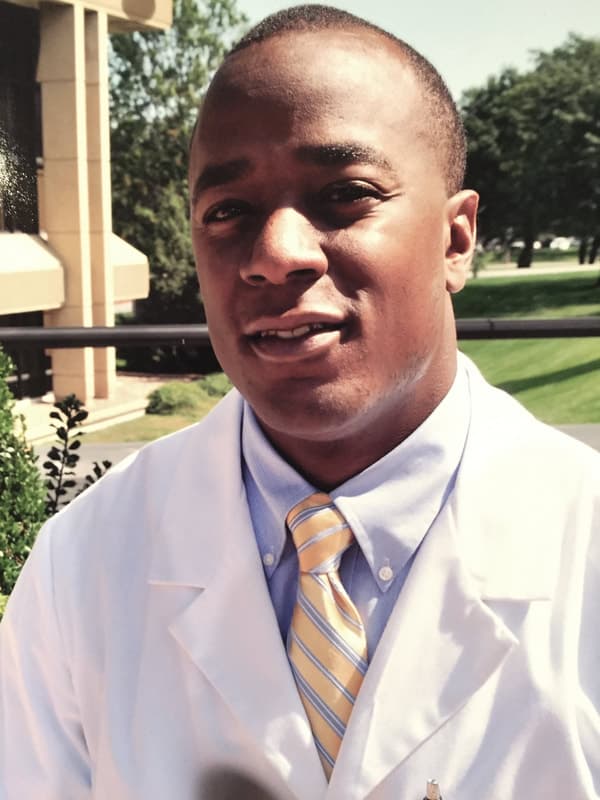
About the practice
KC Wellness and Physiotherapy was founded by Dr. Kowin Casey, DC, a chiropractic physician who received a certification in physiotherapy with an emphasis in sports rehabilitation.
Common Questions About Medical Massage Myths: What Actually Works
Can medical massage fix a herniated disc?
Medical massage cannot repair the disc itself, but it can reduce muscle guarding around the affected area, improve circulation, and reduce pain signals from surrounding tissues. For structural issues like herniated discs, massage works best as part of a plan that includes other appropriate treatments.
Why does my massage therapist sometimes use light pressure instead of deep pressure?
Pressure intensity is a tool, not a measure of effectiveness. Light, precise techniques often work better than aggressive pressure, especially for acute conditions, highly sensitive tissue, or nerve involvement. Your therapist chooses techniques based on your condition, not pressure preference.
If massage worked, why do I need to keep coming back?
Most chronic conditions require consistent treatment because they result from ongoing patterns (stress, posture, activity, or habits). Massage can break the pain cycle temporarily, but addressing the underlying cause requires ongoing treatment, self-care, and sometimes other modalities.
Is medical massage just expensive relaxation?
Medical massage is clinically directed treatment for specific musculoskeletal dysfunction. While relaxation occurs, the goal is functional improvement and pain reduction, not just stress relief. The clinical focus, assessment, and targeted technique distinguish medical massage from relaxation massage.
Related Services
Complementary Modality
Dry Needling
Often combined with massage; functions differently and addresses trigger points effectively.
Structural Treatment
Chiropractic & Spinal Corrective Care
Addresses alignment issues that massage cannot fix but prepares tissue better when combined.
Related Decision
Acute vs Chronic Pain: How to Tell and When to Seek Help
Understanding pain type helps determine whether medical massage is the appropriate first treatment.