
Sciatica Treatment in Kansas City
Sciatica can make sitting, walking and sleeping painful. At KC Wellness and Physiotherapy, Dr. Kowin Casey works to find the source of the nerve irritation and uses chiropractic care, non-surgical spinal decompression and physiotherapy aimed at easing pressure on the nerve and restoring movement.
Understanding Sciatica
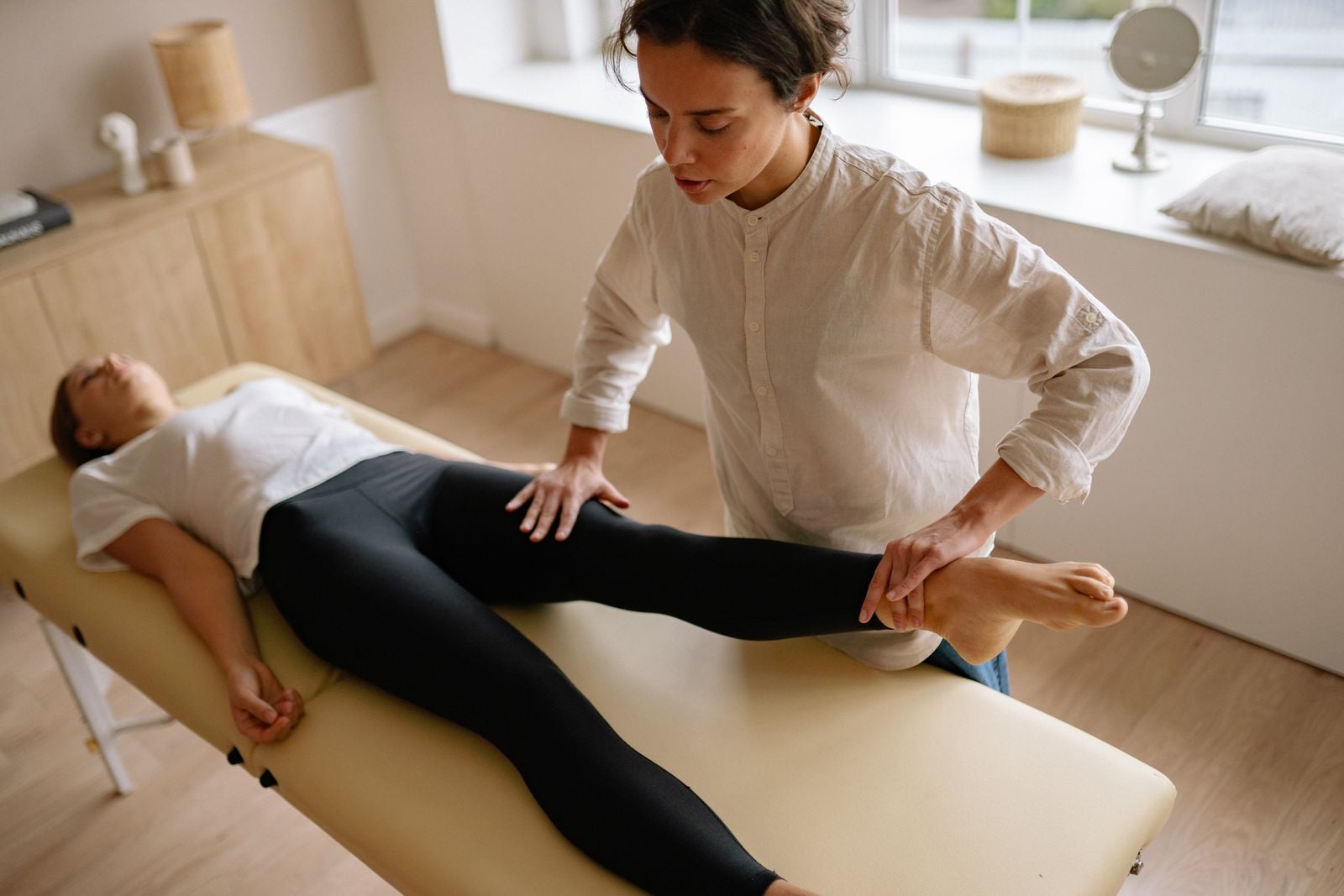
Sciatica is nerve pain that travels along the path of the sciatic nerve, which runs from the lower back through the hips and buttocks and down each leg. It usually affects one side of the body and can range from a mild ache to a sharp, burning or severe pain. Sciatica is common, and it becomes more common with age. It can make it hard to sit for long, stand, walk or find a comfortable sleeping position, and many people find that it interferes with work, family responsibilities and the activities they enjoy.
The most common cause of sciatica is a herniated or bulging disc in the lower spine that presses on a sciatic nerve root. Sciatica can also result from spinal stenosis (narrowing of the spinal canal), degenerative disc disease, spondylolisthesis (when one vertebra slips forward over another) or piriformis syndrome (when the piriformis muscle in the buttock irritates the sciatic nerve). Risk factors include age-related changes in the spine, excess body weight that adds stress to the spine, jobs that involve heavy lifting or long hours of sitting, diabetes, which can affect nerve health, and pregnancy, because of changes in posture and pressure on the nerve. Understanding the cause of your specific case is essential for building an effective treatment plan.
Some cases of sciatica settle on their own, while others linger or keep returning without the right care. When nerve compression is severe or ongoing, it can lead to muscle weakness and, rarely, loss of bowel or bladder control, which is a medical emergency. Early, conservative care aims to reduce pressure on the nerve, calm irritated tissues, improve mobility and keep symptoms from progressing. Dr. Casey's approach looks beyond pain relief to the mechanical factors that can contribute to your sciatica, so you are better equipped to help prevent future episodes.
Signs & Symptoms of Sciatica
- Sharp, shooting pain: Electric shock-like pain that travels from your lower back down through your leg, often worse when moving.
- Burning or tingling sensation: A persistent burning feeling or pins-and-needles sensation running down the back of your leg.
- Lower back pain: Dull or aching pain in the lower back that may come with stiffness and reduced range of motion.
- Buttock and hip pain: Deep pain in the buttock that can radiate into the hip and down the back of the thigh.
- Pain worsened by sitting: More discomfort when seated for long periods, often making desk work or driving particularly difficult.
- Pain with movement: A sharp increase in symptoms when coughing, sneezing, bending forward or moving from sitting to standing.
- One-sided symptoms: Pain typically affects only one side of the body, though in rare cases both legs may be involved.
- Numbness or weakness: Reduced sensation or muscle strength in the affected leg or foot, which can affect your ability to walk normally.
- Foot drop: Difficulty lifting the front part of your foot, causing you to drag your foot or lift your knee higher when walking.
- Difficulty standing: Pain or weakness that makes it hard to rise from a seated position or stand for long periods.
- Limited range of motion: Reduced flexibility in your lower back and difficulty with daily activities like bending or twisting.
- Muscle spasms: Involuntary contractions in your lower back, buttock or leg muscles that can be painful and restrictive.
- Difficulty sleeping: Trouble finding a comfortable sleeping position because of pain, leading to poor sleep and fatigue.
- Reduced reflexes: Diminished ankle or knee reflexes on the affected side, a sign of nerve compression or irritation.
- Cold or hot sensations: Abnormal temperature sensations in the leg or foot, from a cold feeling to burning heat.
What to Expect
- A focused exam with neurological testing to help find where the nerve may be irritated
- Non-surgical lumbar decompression and manual or mechanical traction designed to ease pressure on irritated nerve roots
- Chiropractic adjustments to restore motion in the lower back and pelvis
- Soft tissue care such as Active Release Technique and dry needling for tight hip and buttock muscles
- Physiotherapy and therapeutic exercise to strengthen the core and improve flexibility
- Imaging or specialist referral recommended when your symptoms call for it
How We Treat Sciatica
Comprehensive Assessment
Care begins with a detailed health history, physical examination and neurological testing to help locate the likely source of nerve irritation. Dr. Casey checks your posture, spinal alignment, range of motion, muscle strength and reflexes, and uses orthopedic tests to help tell whether your sciatica is likely coming from a disc, spinal stenosis, a tight piriformis muscle or another cause. Imaging may be recommended when your exam calls for it.
Personalized Treatment Plan
Your plan is built around your diagnosis, severity and goals. It may combine chiropractic adjustments, non-surgical lumbar decompression with manual or mechanical traction, Class IV laser therapy for pain reduction, and soft tissue work such as Active Release Technique, myofascial release or dry needling. Clear milestones help you and Dr. Casey track progress and adjust care at each stage.
Ongoing Care & Prevention
As your symptoms improve, the focus shifts to preventing recurrence. Regular progress checks track your improvement, and you learn body mechanics, workstation and lifting habits, and a home exercise program to help you hold on to your gains.
Benefits
A Licensed Chiropractic Physician
Your care is led by Dr. Kowin Casey, DC, who earned his Doctorate in Chiropractic with honors from Cleveland Chiropractic College.
Personalized Approach
Every case of sciatica is different. Your treatment plan is built around your diagnosis, lifestyle and recovery goals, not a one-size-fits-all protocol.
Non-Surgical Decompression
Non-surgical lumbar decompression and manual and mechanical traction are available in our office as part of a conservative care plan.
Telehealth Available
Virtual appointments by voice and video are available when an office visit is not practical. Hands-on care takes place in the office.
Your Treatment Journey
Your First Visit
New patients can fill out the intake forms before arriving. Your first visit includes a comprehensive examination, a review of your health history and a neurological assessment. Dr. Casey explains what he finds, discusses your diagnosis and outlines a care plan, along with activity changes and self-care strategies to support your recovery between appointments.
Active Treatment
Visits are more frequent at first, while symptoms are most intense, and focus on reducing nerve irritation, easing pain and restoring mobility. Treatment is adjusted based on how you respond, and visits are spaced out as your condition settles.
Progress Reviews
Progress checks compare your pain, range of motion, strength and function with where you started. This phase focuses on building on your gains, preventing relapse and moving you toward managing your spine on your own, with a home exercise program refined as you go.
Long-Term Management
Once you reach your goals, you and Dr. Casey decide what comes next. Some people choose periodic visits to stay on track, and you can return if symptoms flare. How long recovery takes depends on the severity and duration of your sciatica, your overall health and how consistently you follow your plan.
Treatment Options for Sciatica
Sciatica care at KC Wellness and Physiotherapy combines approaches aimed at the cause, not just the pain. Chiropractic adjustments restore motion to the lower back and pelvis. Non-surgical lumbar decompression and manual or mechanical traction are designed to take pressure off irritated discs and nerve roots. Active Release Technique, myofascial release and dry needling address tight muscles and trigger points, including in the hip and buttock, where the piriformis muscle can irritate the nerve. Class IV laser therapy is used for pain reduction, and kinesio taping can support the lower back without restricting motion. Therapeutic exercise strengthens the core and back and improves flexibility, while posture training and workstation and lifting advice address the daily habits that can keep sciatica coming back.
When to Seek Immediate Care
Seek emergency care right away if sciatica comes with loss of bladder or bowel control, numbness in the groin or inner thighs, symptoms in both legs that are getting worse, or leg weakness that is quickly worsening. These can be signs of severe nerve compression that needs urgent medical attention.
About the practice
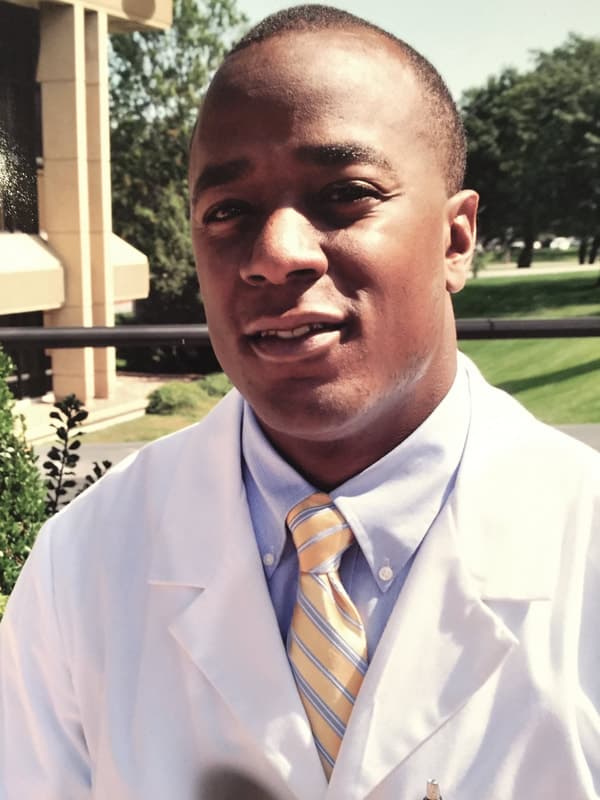
KC Wellness and Physiotherapy was founded by Dr. Kowin Casey, DC, a chiropractic physician who received a certification in physiotherapy with an emphasis in sports rehabilitation.
Common Questions About Sciatica
How long does sciatica treatment take?
It varies with the cause and severity of your sciatica. Recent symptoms often respond sooner than sciatica that has been present for a long time, and the degree of nerve compression, your overall health and your consistency with home exercises all affect recovery. Dr. Casey will give you a realistic outlook after your first evaluation and adjust expectations as he tracks your progress.
Will I need medication for sciatica?
Care at our office is conservative and non-pharmaceutical, focused on the mechanical problem behind your sciatica. Dr. Casey does not prescribe medication. Some people use over-the-counter anti-inflammatory medication during a flare-up; your primary care physician can advise you on medication and manage prescriptions if they are needed.
Does insurance cover sciatica treatment?
We accept all major insurance plans. Call our office at (913) 424-2410 to confirm your coverage before your visit.
What if chiropractic treatment isn't working?
Dr. Casey monitors your progress and changes the approach if you are not improving as expected. That may mean recommending imaging, modifying your treatment plan or referring you to a specialist. Some cases of severe disc herniation, spinal stenosis or worsening nerve symptoms need medical care such as injections or, less often, surgery, and a referral is part of making sure you get the right level of care.
Can telehealth appointments work for sciatica?
Hands-on care such as adjustments and decompression requires an office visit, but virtual appointments are available. At your appointment time, a nurse calls to take your history, then Dr. Casey joins by voice and video. A virtual visit can help when severe pain makes the trip difficult. If x-rays or lab work are needed, Dr. Casey will explain the next steps. Telemedicine visits are billed just like a regular office visit.
Is sciatica treatment painful?
Treatment for sciatica is generally well tolerated and should not be intensely painful. You may feel mild discomfort during some treatments or exercises, especially early on, and some people feel temporary soreness afterward, similar to muscle ache after exercise. Dr. Casey adjusts his approach to your comfort level, so tell him if anything feels uncomfortable.
Related Conditions
Service
Non-Surgical Spinal Decompression & Traction
Lumbar decompression and traction designed to ease pressure on irritated discs and nerve roots.
Service
Physiotherapy & Rehabilitation
Therapeutic exercise to strengthen the core and back and help keep sciatica from returning.
Related Condition
Herniated Disc
The most common cause of sciatica, when disc material presses on a nerve root.
Get Help for Sciatica
You don't have to face sciatica alone. Book a visit with Dr. Casey and let's get started on your healing journey.