
How Cupping Therapy Reduces Pain and Accelerates Healing in Kansas City
Learn how cupping therapy uses suction and pressure to relieve muscle tension, improve circulation, and support your recovery from injury or chronic pain.
What to Expect
- Increases blood flow to affected muscles and tissues for faster healing
- Releases trigger points and deep muscle tension without aggressive pressure
- Complements other therapies like dry needling and massage for enhanced results
- Supports athletic performance recovery and post-injury rehabilitation
- Can be customized for various pain conditions from back pain to shoulder tension
Benefits
Enhanced Tissue Healing
Cupping creates a controlled suction that draws blood to targeted areas, promoting nutrient delivery and waste removal at the cellular level.
Muscle Tension Release
Unlike deep-pressure massage, cupping works by pulling tissues upward, releasing adhesions and fascia restrictions that limit movement.
Natural Pain Management
By addressing underlying tissue dysfunction rather than masking symptoms, cupping supports sustainable pain relief without reliance on medication.
Integrates With Your Care Plan
Cupping works synergistically with chiropractic adjustments, physiotherapy, and other modalities to accelerate your recovery timeline.
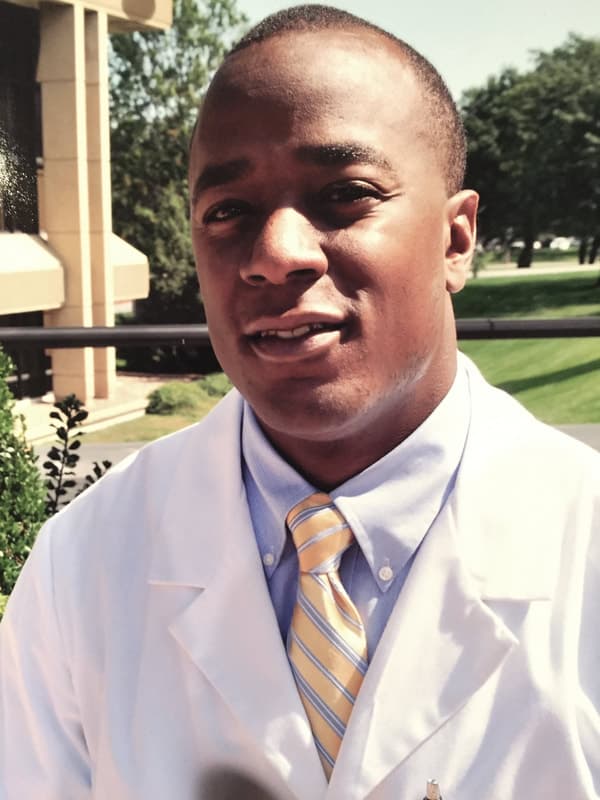
About the practice
KC Wellness and Physiotherapy was founded by Dr. Kowin Casey, DC, a chiropractic physician who received a certification in physiotherapy with an emphasis in sports rehabilitation.
Common Questions About Cupping Therapy for Pain Relief & Recovery
Does cupping therapy leave marks?
Yes, temporary marks or discoloration are normal and typically fade within 5-10 days. These marks indicate that the therapy is mobilizing stagnant blood and promoting circulation.
Is cupping painful?
Most patients experience a comfortable sensation of suction and pressure rather than pain. The intensity can be adjusted to your comfort level during treatment.
How many cupping sessions do I need?
The number of sessions depends on your condition and recovery goals. Your care provider will develop a treatment plan tailored to your specific needs.
Can cupping be combined with other treatments?
Absolutely. Cupping integrates well with dry needling, massage therapy, chiropractic care, and physiotherapy exercises as part of a comprehensive recovery plan.
Who should avoid cupping therapy?
Certain conditions may require modified or alternative approaches. Discuss your full health history with your provider to ensure cupping is appropriate for you.
Related Services
Related Procedure
Dry Needling
Often combined with cupping for deeper tissue release and trigger point relief.
Related Procedure
Active Release Technique & Myofascial Release
Complements cupping by addressing fascial restrictions and muscle adhesions.
Related Procedure
Massage Therapy
Works synergistically with cupping to release tension and restore mobility.