
Arthritis Pain Treatment in Kansas City
Arthritis pain does not have to set the limits of your day. At KC Wellness and Physiotherapy, Dr. Kowin Casey combines gentle joint care, physiotherapy, Class IV laser therapy and nutrition guidance to help ease pain, improve mobility and keep you active.

Understanding Arthritis Pain
Arthritis is a broad term for many different conditions that affect the joints. Osteoarthritis and rheumatoid arthritis are among the most common forms. Arthritis is very common in adults and is a frequent cause of pain and reduced mobility. Its hallmarks are joint pain, stiffness, swelling and reduced range of motion. For many people, arthritis pain affects everyday activities, from climbing stairs and opening jars to enjoying recreation and staying independent. Because it is often long-lasting, arthritis pain can also affect sleep, mood and overall well-being.
The causes and risk factors depend on the type of arthritis. Osteoarthritis, often called "wear and tear" arthritis, develops when the protective cartilage that cushions the ends of the bones gradually breaks down. Risk factors include older age, previous joint injuries, repetitive stress on the joints from work or sports, genetics and extra body weight that adds load to weight-bearing joints. Rheumatoid arthritis, by contrast, is an autoimmune condition in which the immune system attacks the lining of the joints and causes inflammation. Other contributing factors include sex (women are more likely to develop most types of arthritis), family history and smoking. Knowing which type you have, and what is contributing to it, helps shape the right plan.
Arthritis is often progressive, and without attention, joint pain and stiffness can gradually limit what you are able to do. Over-the-counter medications may ease pain for a while, but they do not address the strength, movement and lifestyle factors that often make arthritis pain worse. At KC Wellness and Physiotherapy, Dr. Kowin Casey focuses on improving joint motion, strengthening the muscles that support your joints, easing pain and building self-management habits you can keep. In keeping with the practice's philosophy of achieving an optimum balance, that can include nutrition and lifestyle guidance as well as hands-on care. The goal is to protect your function and independence and help you stay active in the things that matter most to you.
Signs & Symptoms of Arthritis Pain
- Joint Pain and Tenderness: Aching, sharp pain with movement, or tenderness when pressure is applied to a joint, often worse after activity or at the end of the day.
- Morning Stiffness: Joints that feel stiff and hard to move after waking or after sitting still, sometimes taking a while to loosen up.
- Swelling and Inflammation: Puffiness around a joint, warmth to the touch or redness.
- Reduced Range of Motion: Trouble fully bending, straightening or rotating a joint, making reaching overhead or squatting harder.
- Grinding or Clicking: A grinding, clicking or popping feeling or sound when moving an affected joint.
- Muscle Weakness: Weakening of the muscles around a painful joint from disuse, which reduces stability and can raise fall risk.
- Altered Gait or Posture: Changes in how you walk, stand or move as your body works around a painful joint.
- Difficulty with Daily Tasks: Trouble buttoning clothes, gripping utensils, climbing stairs or getting in and out of a car.
- Sleep Disturbances: Pain at night or trouble finding a comfortable position, leading to poor sleep and daytime fatigue.
- Fear of Movement: Avoiding movement out of worry about pain or damage, which can actually make joints stiffer and weaker.
- Frustration and Low Mood: Ongoing pain and new limits on what you can do can affect mood, patience and concentration.
- Social Withdrawal: Turning down invitations or activities because of pain or limited mobility.
- Loss of Independence: Needing help with personal care, household tasks or getting around.
What to Expect
- An evaluation with Dr. Casey, including your health history, an examination of the affected joints, range of motion testing and a look at how arthritis affects your daily tasks
- Imaging such as x-rays, or lab work, may be recommended or referred when it would help guide your care
- Gentle chiropractic care and joint mobilization for the spine and the arms and legs
- Physiotherapy and therapeutic exercise to strengthen supporting muscles and maintain range of motion
- Class IV laser therapy for pain reduction when it suits your joints and symptoms
- Personalized nutrition and wellness coaching, and a recommendation to see your physician or a rheumatologist when inflammatory arthritis is suspected
How Dr. Casey Approaches Arthritis Pain
Thorough Evaluation
Care begins with a detailed health history, an examination of the affected joints, range of motion testing and a look at your daily limitations. Dr. Casey considers the type of arthritis likely involved, the movement and strength factors that add to your pain, and the lifestyle habits that affect your joints. If x-rays, lab work or a visit with your physician would help clarify the picture, he will explain why.
Personalized Treatment Plan
Your plan is built around your type of arthritis, the joints involved, your goals and your lifestyle. It may combine gentle joint care, physiotherapy and therapeutic exercise, Class IV laser therapy and nutrition guidance. Dr. Casey involves you in decisions and adjusts the plan as you respond, rather than following a one-size-fits-all protocol.
Ongoing Care & Monitoring
Arthritis is a long-term condition that benefits from steady management. Dr. Casey checks your symptoms, joint function and daily abilities over time, advances your exercises and teaches self-management strategies to help you keep your gains and handle flare-ups.
Benefits
Care Directed by Dr. Casey
Your evaluation and care are directed by Dr. Kowin Casey, a licensed chiropractic physician who also received a certification in physiotherapy with an emphasis in sports rehabilitation.
Nutrition as Part of Care
Dr. Casey has a background in nutrition, and personalized nutrition and wellness coaching are part of the practice, so your plan can address daily habits as well as sore joints.
Telehealth Available
Virtual visits by phone and video can be an option for some follow-ups, such as checking progress and adjusting home exercises, when arthritis makes travel difficult.
Several Conservative Options
Physiotherapy, gentle joint care, Class IV laser therapy and kinesio taping give Dr. Casey several ways to support comfort and movement without surgery.
Your Treatment Journey
First Evaluation
Your first visit includes a detailed history, an examination of the affected joints and a look at how you move and what is hard for you. Dr. Casey discusses what he finds, sets realistic goals with you, and gives you initial strategies for managing pain along with a plan for next steps.
Early Care
Early care focuses on easing pain, improving joint motion and teaching you therapeutic exercises, joint protection techniques and activity changes. This phase is about building habits you can keep. Arthritis care is a gradual process that rewards patience and consistency.
Progress Review
Dr. Casey rechecks your symptoms, joint motion, strength and daily function and compares them with where you started. Your exercise program advances, and as you become more confident managing on your own, visits typically become less frequent.
Long-Term Management
Arthritis benefits from ongoing attention. Care shifts to periodic check-ins, flare-up support and updates to your home program as your needs change, with the goal of helping you stay active and independent.
Treatment Options for Arthritis Pain
Chiropractic and spinal corrective care: Gentle adjustments and joint mobilization for the spine and for joints of the arms and legs, chosen to respect sensitive or inflamed joints.
Physiotherapy and rehabilitation: Therapeutic exercise to strengthen the muscles around affected joints, improve stability and maintain range of motion without aggravating symptoms, plus guidance on body mechanics and joint protection.
Class IV laser therapy: The practice offers a range of treatment lasers, including Class IV lasers for pain reduction, which may be added for painful joints when they suit your condition.
Soft tissue care and taping: Active Release Technique and myofascial release can address tight muscles around a stiff joint, and kinesio taping may offer support without restricting motion.
Personalized nutrition and wellness coaching: Guidance on eating habits and body weight, which can affect how weight-bearing joints feel.
Spinal decompression and traction: For arthritis in the neck or low back, non-surgical decompression and gentle traction may be discussed when they fit your condition.
Working with your medical team: Inflammatory types of arthritis, such as rheumatoid arthritis, usually need medical management by a physician or rheumatologist. When that is the case, Dr. Casey will recommend that you see them, and his care can focus on movement, strength and function alongside theirs.
When to Seek Care
If you recognize these signs, help is available, and an evaluation can clarify your options. A joint that suddenly becomes hot, red and very swollen, especially with a fever, should be checked by a physician promptly.
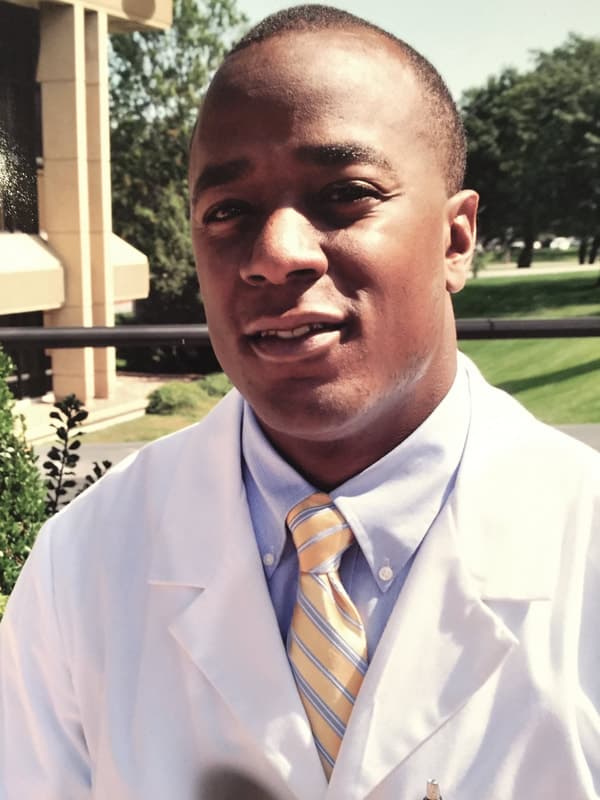
About the practice
KC Wellness and Physiotherapy was founded by Dr. Kowin Casey, DC, a chiropractic physician who received a certification in physiotherapy with an emphasis in sports rehabilitation.
Common Questions About Arthritis Pain
How long does arthritis pain treatment take to work?
It depends on the type of arthritis, how severe it is, which joints are involved and how long you have had symptoms. Some people notice easing of pain fairly early as joint motion improves, while gains in strength and function tend to build more gradually. Arthritis is a long-term condition, so the goal is not a cure but better function and practical strategies for living actively. Consistency with your home exercises makes a real difference.
Is medication required for treating arthritis pain?
Not always. Many people with osteoarthritis manage pain through exercise, activity changes, hands-on care and lifestyle habits. Some people use anti-inflammatory medication during flare-ups, and inflammatory types of arthritis, such as rheumatoid arthritis, often need medication prescribed by a rheumatologist. Chiropractic physicians do not prescribe medication, so questions about medication belong with your physician. Dr. Casey's care focuses on movement, strength and function alongside whatever your medical team recommends.
Does insurance cover arthritis pain treatment?
We accept all major insurance plans. Call our office at (913) 424-2410 to confirm your coverage before your visit.
What if chiropractic care isn't helping my arthritis?
Dr. Casey monitors your progress and adjusts your care based on how you respond. If you are not improving as expected, he will reassess your condition, change the approach or look at other contributing factors such as sleep and daily habits. When another provider would serve you better, such as a rheumatologist for inflammatory arthritis or an orthopedic surgeon for advanced joint damage, he will tell you and recommend that you see them.
Can telehealth appointments work for arthritis treatment?
Telehealth can help with parts of arthritis care, such as reviewing progress, adjusting your exercise program, checking your technique and talking through flare-ups. It is especially useful when mobility limits or transportation make travel hard. Hands-on care, such as joint mobilization and laser therapy, requires an office visit. You can combine in-person visits with telemedicine follow-ups when that makes sense for your care.
Will I need treatment forever, or can arthritis pain be cured?
Arthritis cannot be cured, and cartilage damage is generally permanent. Symptoms can often be managed, though, and function can be improved and maintained. Care is usually more frequent at first and becomes less frequent as you build self-management skills, with support available for flare-ups or new challenges. Think of it as a long-term partnership for joint health rather than dependence on treatment.
Related Conditions
Service
Physiotherapy & Rehabilitation
Therapeutic exercise to strengthen the muscles around your joints and keep them moving.
Service
Class IV Laser Therapy
Treatment lasers, including Class IV lasers for pain reduction, used when they suit your condition.
Service
Personalized Nutrition & Wellness Coaching
Personalized guidance on eating habits and daily routines that support your joints and overall health.
Get Help for Arthritis Pain
You don't have to face arthritis pain alone. Book an evaluation with Dr. Casey at our Kansas City office, or call (913) 424-2410 with any questions.