
Nerve Impingement Treatment in Kansas City
When a nerve is compressed or pinched, the pain, numbness and weakness can affect everything you do. At KC Wellness and Physiotherapy, Dr. Kowin Casey evaluates where the pressure is coming from and uses conservative care, including chiropractic adjustments and non-surgical spinal decompression, that may help relieve it.
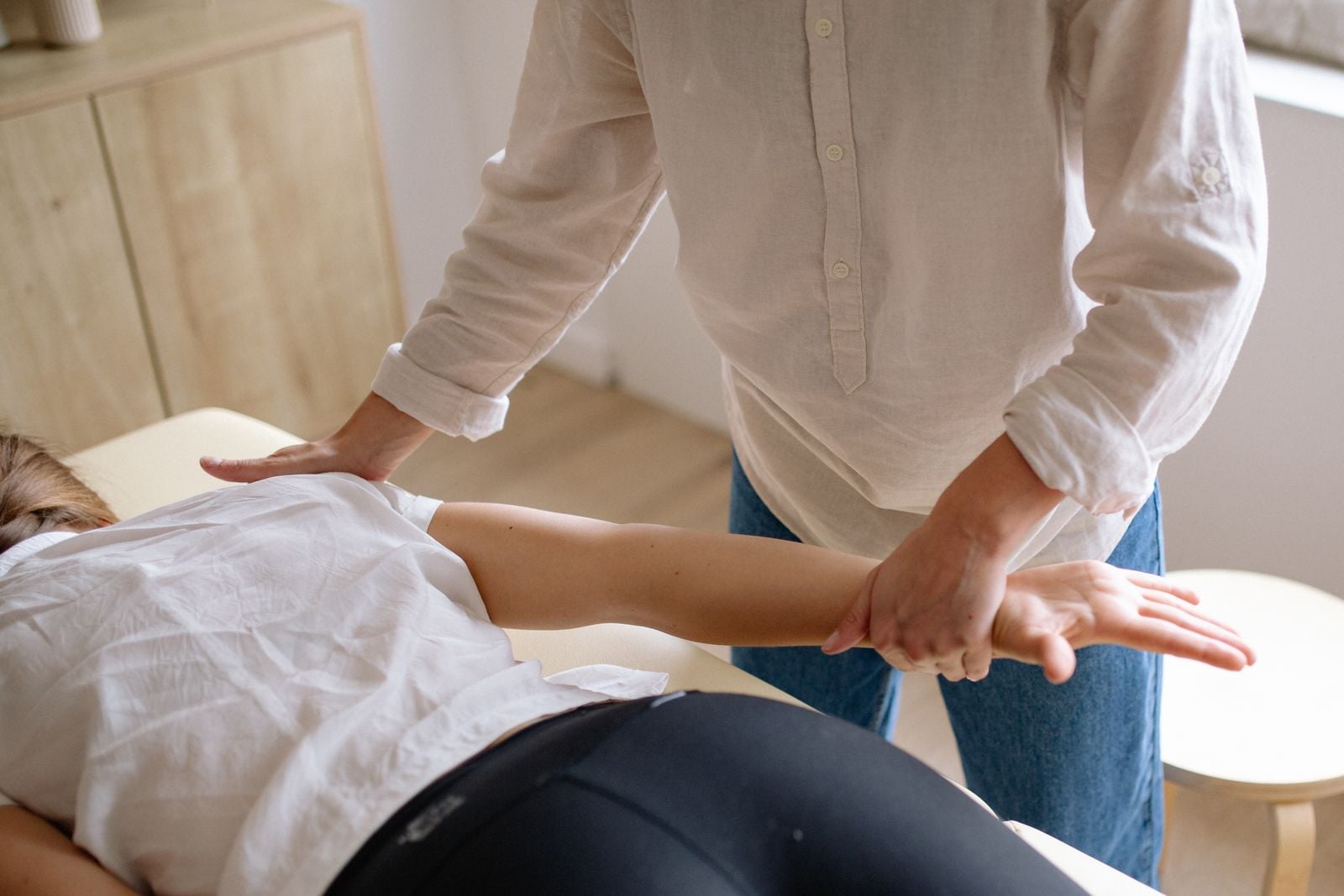
Understanding Nerve Impingement
Nerve impingement, often called a pinched nerve, happens when surrounding tissues such as bone, disc, muscle or tendon put too much pressure on a nerve. That pressure disrupts how the nerve works and can cause pain, tingling, numbness or weakness. It can occur almost anywhere in the body but is most common in the neck (cervical radiculopathy), the low back (lumbar radiculopathy, including sciatica) and the wrist (carpal tunnel syndrome). Nerve impingement is very common and ranges from mild discomfort to pain that interferes with work, sleep and daily activities. It becomes more likely with age, as degenerative changes in the spine and joints narrow the spaces nerves pass through.
The causes of nerve impingement are varied and often overlap. Herniated or bulging discs can press against nerve roots, and bone spurs from osteoarthritis can narrow the openings nerves travel through. Poor posture, repetitive movements and holding one position for long periods can create ongoing compression. Injuries from accidents or sports can pinch a nerve through swelling or displaced tissue. Pregnancy, weight gain, and conditions such as rheumatoid arthritis or diabetes can increase susceptibility, and jobs that involve repetitive motion, such as typing, assembly line work or heavy lifting, raise the risk. Anatomy and genetics play a part as well. Understanding these factors matters for both treatment and prevention.
Mild cases can settle with rest, but persistent or severe compression deserves a proper evaluation, because prolonged pressure on a nerve can lead to lasting numbness, weakness or pain. Early evaluation also helps identify the uncommon cases that need urgent medical attention. Chiropractic care offers a conservative, non-invasive approach aimed at both the symptoms and their mechanical causes. Through chiropractic adjustments, non-surgical spinal decompression and traction, soft tissue care and rehabilitative exercise, the goal is to reduce pressure on the nerve, improve mobility and help prevent recurrence. This reflects the practice's approach of looking for the underlying causes of any neurological disturbance or disruption and making specific interventions and lifestyle adjustments to optimize the conditions for normal function.
Signs & Symptoms of Nerve Impingement
- Sharp, Radiating Pain: Shooting pain that travels along the path of a nerve, often into the arms or legs.
- Tingling or Pins and Needles: Persistent prickling in the affected area, often described as the limb falling asleep.
- Numbness or Reduced Sensation: Loss of feeling in the area served by the compressed nerve, affecting touch and temperature perception.
- Burning Sensation: A constant or intermittent burning feeling along the nerve, often more noticeable at night.
- Electric Shock Sensations: Sudden, brief jolts of pain triggered by certain movements or positions.
- Pain That Worsens With Movement: Symptoms that increase with specific movements, such as turning the neck or bending the back.
- Nighttime Flare-Ups: Pain, numbness or tingling that intensifies during rest or sleep.
- Muscle Weakness: Reduced strength in the muscles served by the affected nerve, making gripping or lifting difficult.
- Muscle Wasting: Visible loss of muscle bulk in long-standing cases of nerve compression, which should be evaluated promptly by a medical provider.
- Reduced Range of Motion: Limited ability to move the affected area through its full range because of pain or weakness.
- Dropping Objects: Loss of grip strength or coordination that leads to dropping things.
- Difficulty With Fine Motor Tasks: Trouble with precise activities such as buttoning clothes or typing.
- Changes in Walking: A limp or altered gait when nerve compression affects the legs.
- Protective Postures: Unconsciously holding the body in positions that ease pain, which can create secondary aches elsewhere.
What to Expect
- An assessment to locate the source of the nerve compression
- Chiropractic adjustments aimed at restoring joint motion and easing mechanical stress around irritated nerves
- Non-surgical cervical, thoracic or lumbar decompression and manual or mechanical traction when your condition calls for it
- Active Release Technique and myofascial release to ease muscle tension and soft tissue restrictions around the nerve
- A home program that includes nerve gliding and strengthening exercises to support recovery
- Ergonomic and lifestyle guidance, plus a referral to a medical specialist when further care is needed
How Dr. Casey Treats Nerve Impingement
Thorough Assessment
Care begins with a detailed health history and a physical examination to identify where the nerve is being compressed and why. Imaging may be recommended when it would help show the structures involved.
Individualized Treatment Plan
Your plan may combine chiropractic adjustments, non-surgical spinal decompression and traction, Active Release Technique and myofascial release, and Class IV laser therapy for pain reduction, along with therapeutic exercise to strengthen the muscles that support your spine. The intensity and frequency of care are adjusted to how you respond.
Ongoing Care and Prevention
Progress is reviewed with you as care continues. As symptoms improve, the focus moves to helping prevent recurrence through posture training, workstation changes and a home exercise program.
Benefits
Licensed Chiropractic Physician
Dr. Kowin Casey earned his Doctorate in Chiropractic with honors at Cleveland Chiropractic College and received a certification in physiotherapy with an emphasis in sports rehabilitation.
Personalized Care Plans
Every case of nerve impingement is different, so treatment is tailored to your symptoms, your lifestyle and your recovery goals.
Spinal Decompression and Traction
Non-surgical cervical, thoracic and lumbar decompression, along with manual and mechanical traction, is available at the practice for disc-related and nerve-related spinal problems.
Telemedicine Available
Virtual visits can be useful for questions and follow-up between office visits. Hands-on assessment and treatment take place in the office.
Your Treatment Journey
First Evaluation
Your first visit includes an examination to find the source of the nerve compression and a review of any imaging you already have. You leave with a clear explanation of your condition and a personalized treatment plan.
Early Treatment
In the early phase, visits are usually more frequent, with the aim of easing your symptoms and supporting healing. Care may include adjustments, decompression or traction, soft tissue work and home exercises, along with guidance on which activities to modify. Numbness and tingling often take longer to improve than pain.
Progress Review
As your condition improves, visits become less frequent and the focus shifts to rehabilitation and strengthening. Nerve function, strength and mobility are reassessed, and the ergonomic and lifestyle factors that contributed to the problem are addressed to help prevent recurrence.
Long-Term Management
Once symptoms settle, you keep a home exercise program and practical ergonomic habits, and periodic check-ups are available if symptoms return. Recovery time depends on how severe and how long-standing the compression is, and recent cases often settle sooner than chronic ones.
Treatment Options for a Pinched Nerve
Chiropractic adjustments are used to help restore motion in restricted spinal joints and may reduce mechanical stress around irritated nerve roots. When a disc or a narrowed space is involved, non-surgical cervical, thoracic and lumbar decompression and manual or mechanical traction apply a controlled, gentle pull that aims to ease pressure on the discs, joints and nerves. Active Release Technique and myofascial release address the muscle tension and soft tissue restrictions that can contribute to compression, and Class IV laser therapy is used for pain reduction.
Nerve gliding exercises are used to gently mobilize irritated nerves, and therapeutic exercise aims to strengthen the muscles that support the spine. Education on body mechanics, workstation setup and activity modification addresses the causes behind the problem. When a case needs more, such as advanced imaging, nerve testing or a surgical opinion, you may be referred to an appropriate medical specialist.
When to Seek Urgent Care
Most pinched nerves are not emergencies, but some symptoms are. Seek emergency medical care right away for loss of bladder or bowel control, numbness in the groin or inner thighs, or rapidly worsening weakness in the arms or legs. For the other signs above, call our office at (913) 424-2410 or send an appointment request online so the source of your symptoms can be evaluated.

About the practice
KC Wellness and Physiotherapy was founded by Dr. Kowin Casey, DC, a chiropractic physician who received a certification in physiotherapy with an emphasis in sports rehabilitation.
Common Questions About Nerve Impingement
How long does treatment for nerve impingement take?
It depends on the severity, location and duration of the compression. Recent cases often improve sooner, while long-standing compression, especially with a disc herniation or significant degenerative changes, can take longer. Your general health, consistency with home exercises and ability to modify aggravating activities also matter. Dr. Casey will give you realistic expectations at your first evaluation.
Is medication required for nerve impingement?
Many people with a pinched nerve improve with conservative care, and Dr. Casey's approach focuses on non-drug treatment. Medication decisions belong to your medical doctor, who may recommend an anti-inflammatory or another medication for a period if pain is severe. If you already take medication, keep following your prescriber's directions and let Dr. Casey know what you are taking.
Does insurance cover nerve impingement treatment?
We accept all major insurance plans. Call our office at (913) 424-2410 to confirm your coverage before your visit.
What if treatment isn't working for my nerve impingement?
If progress stalls, Dr. Casey will reassess to identify what is getting in the way. Advanced imaging such as an MRI may be recommended to show the extent of the compression, and the treatment plan may change. When needed, you may be referred to a medical specialist, such as a pain management physician, a neurologist for nerve testing or an orthopedic surgeon for a surgical opinion. The aim is to use conservative options first while making sure you get the care your condition needs.
Can telehealth work for nerve impingement?
Hands-on assessment, adjustments, decompression and soft tissue care require an office visit. Telemedicine visits can support your care, for example to review progress, go over home exercises such as nerve glides, and answer questions. For a virtual visit, a nurse calls you first to take your history, and then you join Dr. Casey by video from a smartphone or computer.
Can nerve impingement cause permanent damage if left untreated?
It can. When a nerve stays compressed for a long time, the damage may not fully reverse, leaving lasting numbness, weakness or pain even after the pressure is relieved, and muscle loss from prolonged compression may not fully recover. That is why persistent symptoms deserve prompt evaluation. Seek emergency care right away for rapidly worsening weakness, loss of bladder or bowel control, or numbness in the groin or saddle area.
Related Conditions
Service
Non-Surgical Spinal Decompression & Traction
Cervical, thoracic and lumbar decompression with manual and mechanical traction.
Service
Chiropractic & Spinal Corrective Care
Adjustments that aim to restore joint motion and ease stress around irritated nerves.
Condition
Sciatica
Pain that travels from the low back into the leg when a nerve root is irritated.
Get Help for Nerve Impingement Today
You do not have to live with pinched nerve pain. Dr. Casey will look for the source of the pressure and build a plan to help you find relief and restore function.