
Hip Pain Treatment in Kansas City
Hip pain can limit how you walk, sit, sleep and move through your day. At KC Wellness and Physiotherapy, Dr. Kowin Casey looks at the hip, pelvis and lower back together and combines chiropractic care with physiotherapy and rehabilitation to help you move more comfortably.
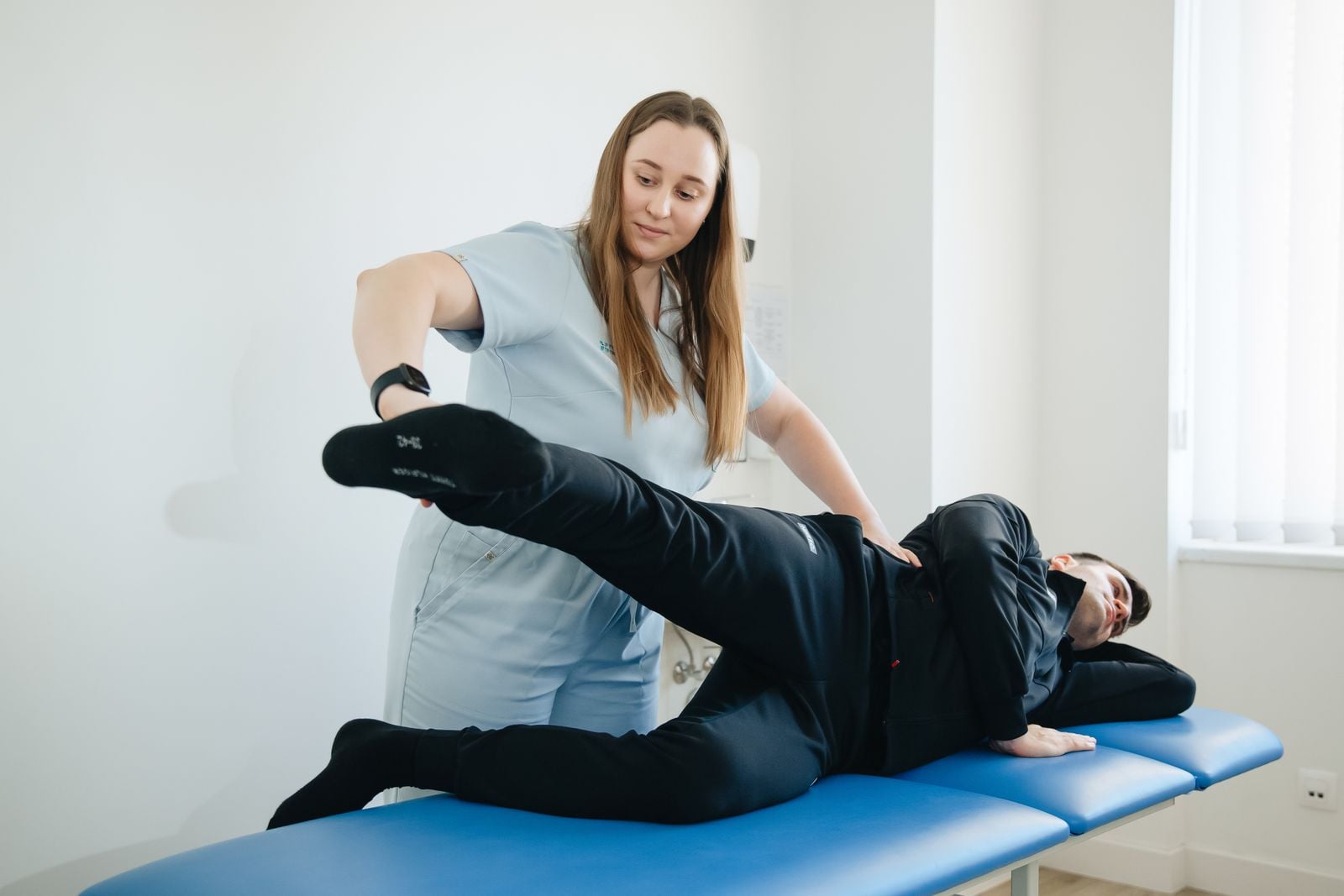
Understanding Hip Pain
Hip pain is one of the most common musculoskeletal complaints. The hip joint is a ball-and-socket structure designed to bear significant weight while providing a wide range of motion. When pain develops in or around this joint, it can affect everything from walking and climbing stairs to sitting comfortably and sleeping through the night. Hip pain affects athletes and less active people alike, from young adults dealing with injuries to older adults managing degenerative changes. The impact extends beyond physical discomfort: ongoing hip pain often leads to compensatory movement patterns that place extra strain on the lower back, knees and pelvis, changing how you move through daily life.
The causes of hip pain are diverse. Osteoarthritis is a common cause in older adults, as the protective cartilage within the joint gradually wears down. Hip bursitis, inflammation of the fluid-filled sacs that cushion the joint, often develops from repetitive movement or direct trauma. Labral tears are now recognized as a common source of deep hip pain, particularly in active people and those with structural hip variations. Tendinitis of the hip flexors or gluteal tendons can develop from overuse, while referred pain from the lower back or sacroiliac joint can feel like a hip problem. Risk factors include previous hip injuries, repetitive stress from sports or jobs that require prolonged standing, excess body weight that increases joint loading, anatomical variations such as hip dysplasia or femoroacetabular impingement, inflammatory conditions such as rheumatoid arthritis, and age-related changes in the joint.
Because the hip is involved in nearly every movement you make, persistent hip pain is worth having evaluated. Left unaddressed, it can lead to compensatory patterns in which the surrounding muscles become weak or tight. Conservative care aims to improve how the joint moves, strengthen the muscles that support it and address contributing factors elsewhere in the body, such as the lower back, pelvis and feet. At KC Wellness and Physiotherapy, Dr. Casey's goal is to identify what is driving your pain, build a plan around it, and tell you honestly when imaging or a medical opinion is the better next step.
Signs & Symptoms of Hip Pain
- Difficulty Walking or Limping: Pain that causes you to alter your gait, favor one leg, or avoid putting full weight on the affected hip.
- Trouble with Stairs: Significant discomfort when climbing or descending stairs, often requiring use of railings or one step at a time.
- Inability to Put On Shoes or Socks: Limited hip flexion and rotation making it difficult to bring your foot toward your body for dressing.
- Pain When Rising from Seated: Sharp or aching discomfort when standing up from a chair, especially after prolonged sitting.
- Sleep Disruption: Difficulty finding comfortable sleeping positions, particularly when lying on the affected side.
- Reduced Range of Motion: Stiffness and inability to move the hip through its full range, particularly with rotation or flexion movements.
- Activity Avoidance: Progressively limiting physical activities, exercise, or recreational pursuits due to hip discomfort.
- Groin Pain: Deep aching or sharp pain in the groin area, often indicating a problem within the hip joint itself rather than the surrounding structures.
- Lateral Hip Pain: Discomfort on the outside of the hip, commonly associated with bursitis or gluteal tendon issues.
- Buttock or Thigh Pain: Radiating discomfort that extends into the buttock, thigh, or even down toward the knee.
- Morning Stiffness: Significant stiffness upon waking that gradually improves with movement throughout the day.
- Clicking or Popping Sensations: Audible or palpable clicking, popping, or catching sensations during hip movement.
- Tenderness to Touch: Localized tenderness when pressing on specific areas around the hip joint or greater trochanter.
- Pain with Weight-Bearing: Discomfort that worsens significantly when standing, walking, or bearing weight on the affected leg.
- Lower Back Discomfort: Secondary lower back pain developing from altered movement patterns and compensatory postures.
What to Expect
- A thorough evaluation that looks at the whole chain of movement: lower back, pelvis, hip, knee and foot
- Chiropractic and spinal corrective care to improve motion in the lower back and pelvis
- Physiotherapy and therapeutic exercise to strengthen the hip stabilizers and correct muscle imbalances
- Soft tissue options including Active Release Technique, myofascial release and dry needling for tight hip flexors and gluteal muscles
- Home exercises and movement guidance to help protect your hips over the long term
- Honest communication about realistic outcomes, and a referral when imaging or another provider is the right next step
How Dr. Casey Treats Hip Pain
Comprehensive Assessment
Your first visit includes a detailed history, a physical examination with orthopedic tests, and an evaluation of how you walk and how your hip moves. Dr. Casey assesses not just the hip but the lower back, pelvis, knee and foot to identify the factors contributing to your pain. If imaging may be helpful, he will recommend it.
Individualized Treatment Plan
Based on your exam, Dr. Casey builds a plan around your diagnosis and your goals. Depending on what he finds, it may combine chiropractic care, physiotherapy and rehabilitation exercise, soft tissue work such as Active Release Technique or dry needling, and Class IV laser therapy. The plan is adjusted as you respond.
Ongoing Care & Prevention
As you progress, the focus shifts from pain relief to restoring function and preventing flare-ups. You will learn home exercises, self-management strategies and movement changes that help protect your hips and maintain the gains you have made.
Benefits
Care From Dr. Casey
You are cared for by Dr. Kowin Casey, a licensed chiropractic physician who earned his Doctorate in Chiropractic with honors from Cleveland Chiropractic College and received a certification in Physiotherapy with an emphasis in Sports Rehabilitation.
Meeting You Where You Are
We meet people where they are, at their phase of health. Your plan is built around your diagnosis, activity level and goals rather than a one-size-fits-all protocol.
Several Options Under One Roof
Chiropractic care, physiotherapy, Active Release Technique, dry needling, kinesio taping and Class IV laser therapy are all offered in our Kansas City office, so your plan can draw on what fits your hip.
Telemedicine Visits
Virtual appointments are available for some visits, such as talking through your symptoms or checking in on your progress. Hands-on treatment takes place in the office.
Your Treatment Journey
First Visit and Evaluation
Your first visit includes a detailed history, a physical examination with orthopedic testing and a movement assessment. Dr. Casey explains what he found, discusses realistic expectations, outlines a plan and answers your questions about the road ahead.
Early Treatment
Early care focuses on reducing pain, improving range of motion and starting therapeutic exercise. How quickly people improve varies with the diagnosis, how long symptoms have been present and individual healing, so your treatment is adjusted based on how you respond.
Progress Review
As symptoms improve, visits usually become less frequent while your exercise program progresses. Dr. Casey reassesses your progress, advances your home program and focuses on the strength, endurance and movement patterns that help prevent recurrence.
Long-Term Management
Once your goals are met, the focus turns to maintenance and prevention. Some people finish care with a self-management program, while others prefer periodic check-ins. You leave with exercise recommendations, activity modifications and early warning signs to watch for.
Treatment Options at KC Wellness and Physiotherapy
Depending on your exam, hip pain care may include chiropractic and spinal corrective care to improve motion in the lower back and pelvis, physiotherapy and rehabilitation exercise to strengthen the hip stabilizers and address muscle imbalances, and Active Release Technique and myofascial release for tight hip flexors and gluteal muscles. Dry needling may provide relief for some muscular pain and stiffness, and easing trigger points may improve flexibility and range of motion. Class IV laser therapy is available as part of care aimed at pain reduction, and kinesio taping can offer support without restricting motion.
Dr. Casey also looks at contributing factors such as pelvic alignment, leg mechanics and daily habits, and personalized nutrition and wellness coaching is available if you want support with the lifestyle side of joint health. When imaging may be recommended, or when another provider is the right next step, he will tell you and refer you.
About Recovery Timelines
Hip pain recovery varies considerably. A recent strain or bursitis flare may settle relatively quickly, while chronic conditions such as osteoarthritis usually call for ongoing management. Some people improve quickly; others progress more gradually. Dr. Casey is committed to honest communication about what you can realistically expect based on your diagnosis and circumstances.
When to Seek Prompt Medical Care
Some hip symptoms need medical attention before conservative care. Seek prompt medical care if you cannot bear weight after a fall or injury, if the hip or leg looks deformed, or if hip pain comes with fever, redness or a hot, swollen joint.

About the practice
KC Wellness and Physiotherapy was founded by Dr. Kowin Casey, DC, a chiropractic physician who received a certification in physiotherapy with an emphasis in sports rehabilitation.
Common Questions About Hip Pain
How long does hip pain treatment take to work?
It depends on your diagnosis and how long you have had symptoms. A recent muscle strain or bursitis flare often responds sooner than a long-standing problem, and hip arthritis usually calls for longer-term management, since advanced degenerative changes may not fully resolve. Dr. Casey tracks how you respond from the start, which shows whether the approach is working or needs to change.
Can chiropractic care help hip arthritis, or do I need surgery?
Many people with hip arthritis manage their symptoms with conservative care, and surgery is not the right answer for everyone. Conservative care cannot reverse arthritic changes, but it aims to improve how the joint moves, reduce compensatory strain, strengthen the supporting muscles and teach you strategies for managing symptoms. People who eventually need a hip replacement may still benefit from building strength and mobility beforehand. Dr. Casey will be honest about when conservative care is likely to help and when a surgical consultation is appropriate.
Will I need to take pain medication for my hip pain?
Dr. Casey is a chiropractic physician and does not prescribe medication. Care here can proceed alongside any medication your medical doctor has you taking, and it looks for the mechanical problems that may be contributing to your pain. Questions about starting, changing or stopping any medication, including over-the-counter pain relievers, should go to your primary care physician.
How do I find out about insurance coverage?
We accept all major insurance plans. Call our office at (913) 424-2410 to confirm your coverage before your visit.
What if treatment isn't helping my hip pain?
Dr. Casey monitors your progress throughout care. If you are not improving as expected, he will reassess and consider several options: changing the treatment approach, recommending imaging if it has not been done, or referring you to another provider for further evaluation. Not every case of hip pain responds to conservative care, and continuing treatment without meaningful progress does not serve you. If something is not working, tell us so the plan can change.
Can I do telehealth visits for hip pain?
Hands-on care such as chiropractic adjustments, soft tissue work and dry needling happens in the office. Telemedicine visits are also offered and can be useful for talking through your symptoms or checking in on your progress. At the visit time, a nurse calls to take your history, then you click your provider's link from a smartphone or computer with a webcam and wait in a virtual waiting room until Dr. Casey joins by voice and video. Telemedicine visits are billed just like a regular office visit.
Related Conditions
Service
Physiotherapy & Rehabilitation
Therapeutic exercise and rehabilitation to strengthen the hip stabilizers and restore comfortable movement.
Service
Chiropractic & Spinal Corrective Care
Chiropractic care for the lower back and pelvis, which often play a part in hip pain.
Related Condition
Lower Back Pain
Hip problems and lower back pain often occur together through altered movement patterns and compensatory mechanics.
Get Help for Hip Pain
Let's get started on your healing journey. Request an appointment online and our office will call you to confirm a time, or call (913) 424-2410.