Your spine carries you through every step, reach, twist, and bend. Yet spinal health is not only about the spine itself. It also depends on what surrounds and supports it: your core muscles. Understanding that connection can change how you move and feel day to day.
What Is the Core?
When most people think of the core, they picture a six-pack. The core is much more than the muscles you see in the mirror. It is a system of muscles that wraps around your midsection and provides stability for almost every movement you make.
It includes the rectus abdominis (the "six-pack"), the deep transverse abdominis, the obliques along your sides, the erector spinae along your back, the small multifidus muscles between the vertebrae, the pelvic floor, and the diaphragm. Together they act like a supportive corset around the spine.
Think of your spine as a tent pole and your core muscles as the guy lines that keep it steady. Without balanced support from every direction, the pole is less stable. In the same way, a spine without well-coordinated core support has to work harder to handle everyday loads.
How Core Strength Supports Your Spine
Strong, well-coordinated core muscles help share the load when you lift, bend, or twist, rather than leaving the spinal joints, ligaments, and discs to absorb it on their own.
Core weakness and poor trunk control are commonly associated with low back pain, and exercise that trains these muscles is a standard part of back pain rehabilitation. Research on specific core programs is mixed, and the best results usually come from exercise that is progressed gradually and paired with staying active overall.
Core strength also plays a part in posture. When the trunk muscles are weak or unbalanced, the body tends to settle into positions such as an exaggerated lower back curve or a rounded upper back. Over time, these habits can add uneven stress to spinal joints and discs.
Core Weakness and Back Pain
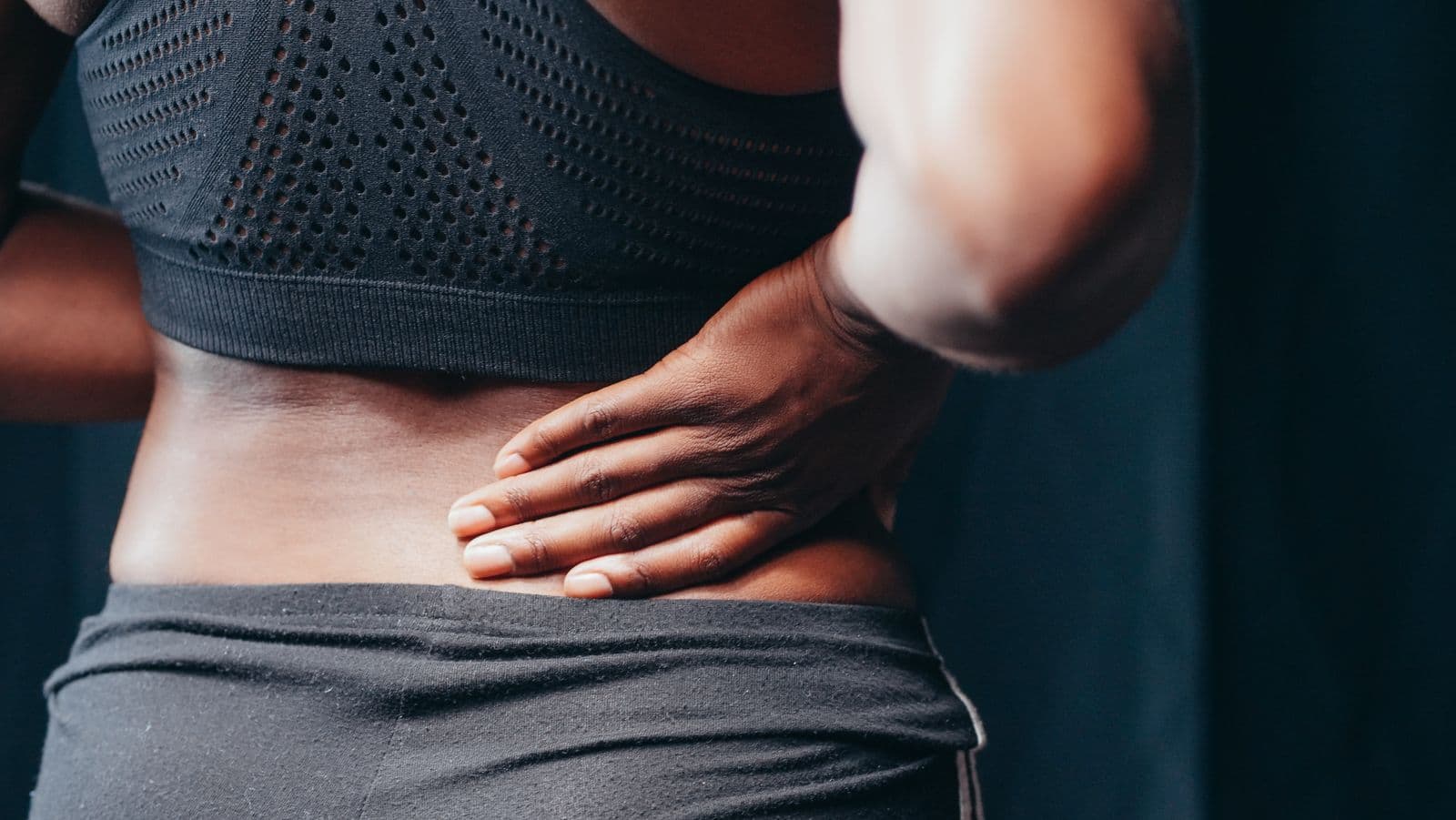
Low back pain is one of the most common reasons people seek care. It has many possible causes, including disc problems, arthritis, muscle strain, and nerve irritation, and core weakness is often one of several contributing factors.
Weak core muscles can also change how you move. For example, someone may bend mostly through the lower back instead of hinging at the hips, or twist through the lower back instead of turning through the mid-back and hips. These patterns can create a frustrating cycle: weakness leads to poor mechanics, poor mechanics lead to pain, and pain leads to less activity and more weakness.
Core Strength and Posture
Long hours sitting at desks, looking down at phones, and slouching on couches take a toll on posture. The deep core muscles, especially the transverse abdominis and multifidus, help stabilize the spine as you move. When they are strong and well coordinated, good posture takes less effort. When they are weak, holding yourself upright can feel like constant work, and most people end up slumping. See the connection between posture and pain and posture dysfunction for more.
Practical Steps to Build Core Strength
Building core strength does not require expensive equipment or long gym sessions. It does require consistency, good form, and an approach that works all of the core muscle groups.
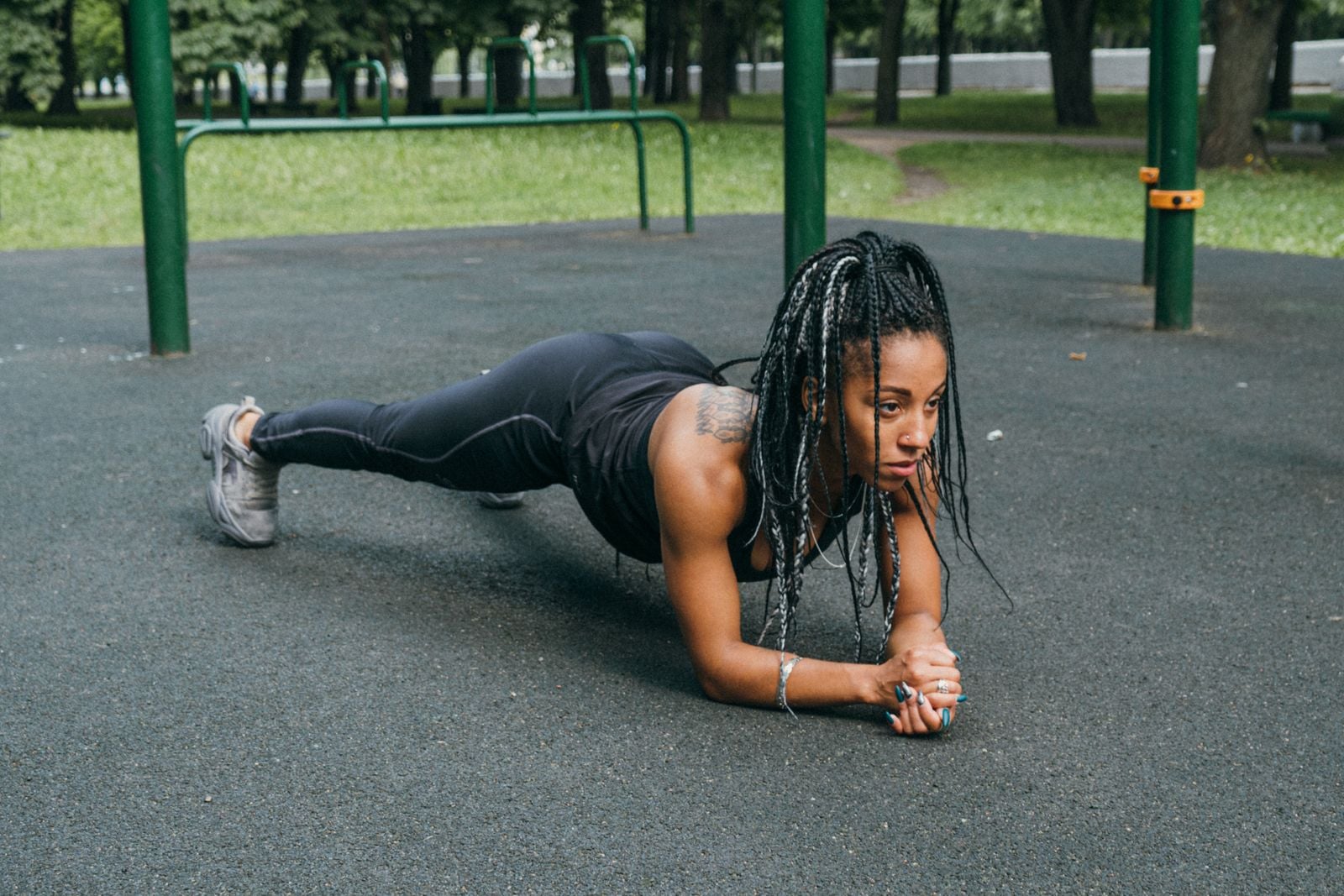
- Start with the basics: planks, bird dogs, dead bugs, and bridges engage several core muscles without heavy load on the spine
- Train stability, not just strength: the goal is control and coordination during movement, not simply bigger muscles
- Practice diaphragmatic breathing: breathing well engages the diaphragm and pelvic floor, both part of the core system
- Progress gradually: add challenge with longer holds or added movement only when you can keep good form
- Balance all sides: the back and side muscles matter as much as the front
- Use it in daily life: practice bracing gently as you lift, carry, and reach to reinforce healthy movement
Not every core exercise suits everyone. If you already have back pain, a spinal condition, or an injury, some exercises may aggravate symptoms, so it helps to have a program matched to your needs.
When to Seek Professional Help
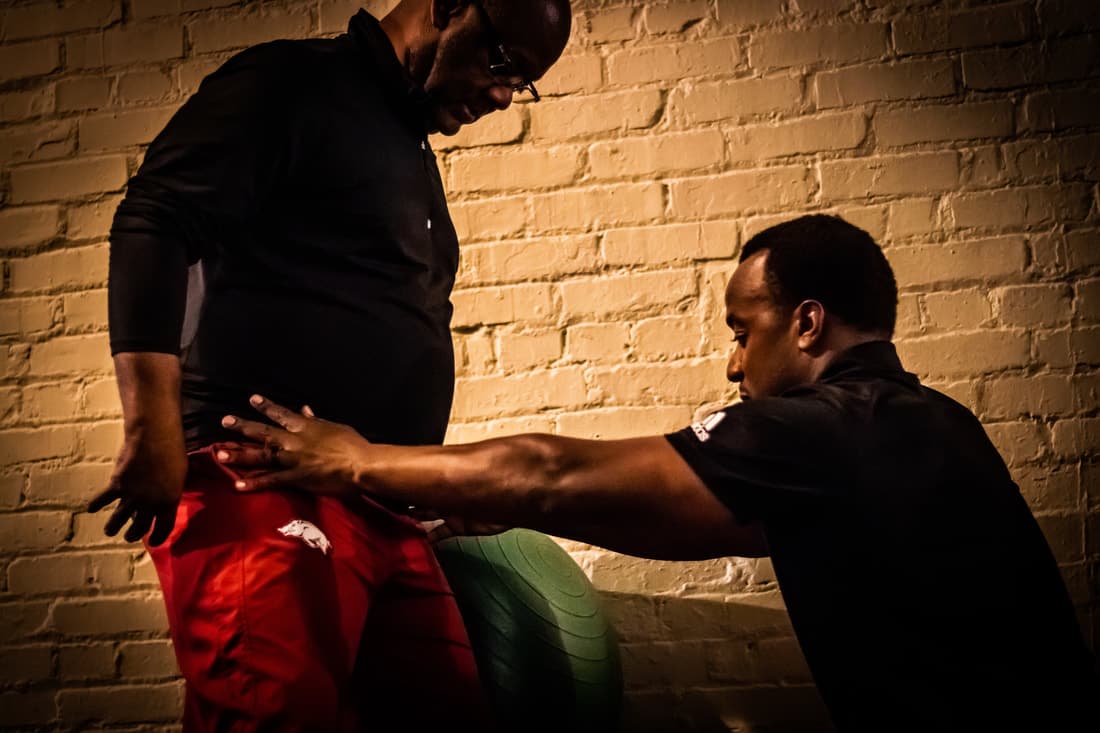
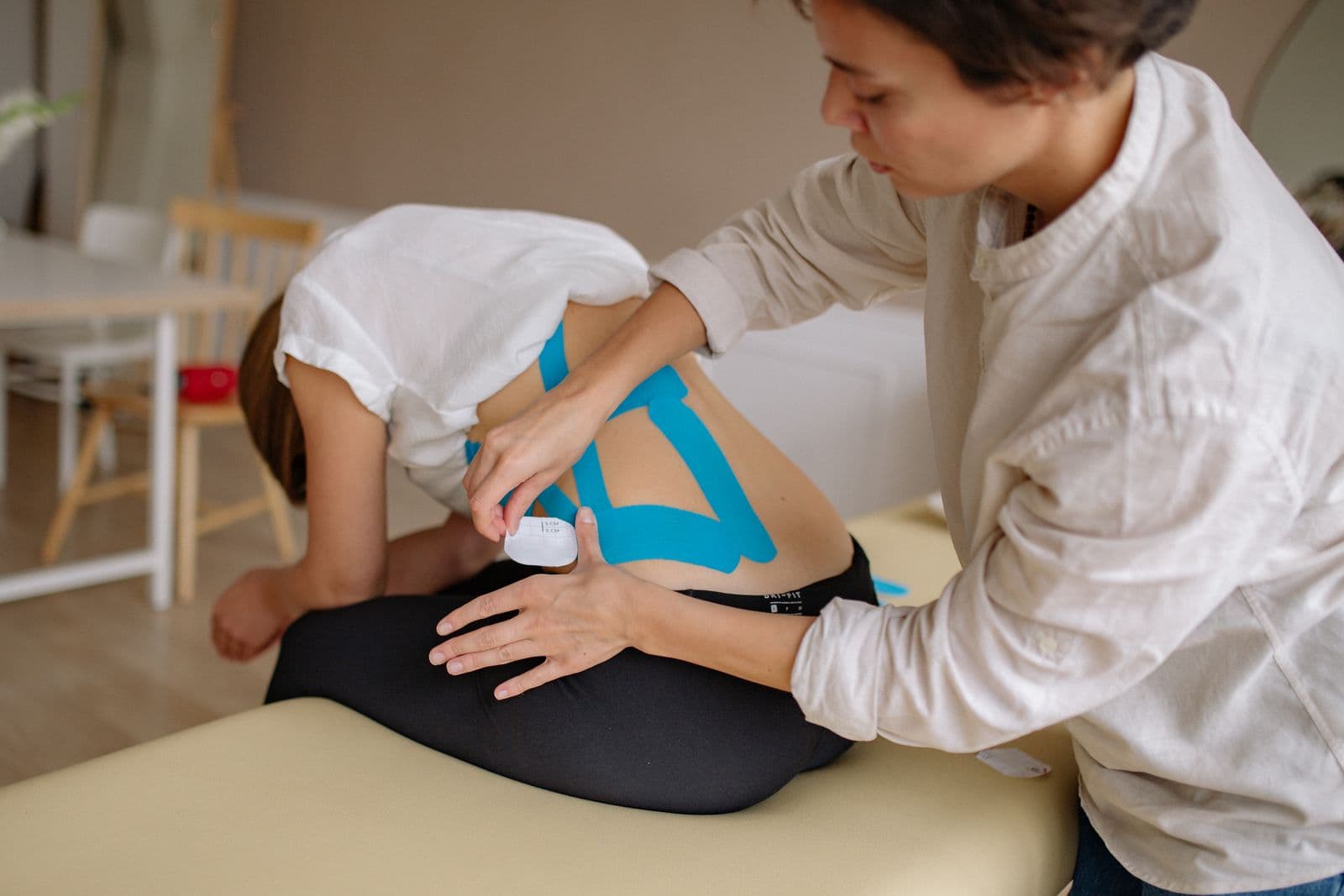
Consider an evaluation if you have persistent back pain, difficulty with daily activities, or symptoms such as numbness, tingling, or weakness in the legs. Loss of bladder or bowel control, or numbness in the groin area, needs emergency medical care right away.
At KC Wellness and Physiotherapy, Dr. Kowin Casey, DC, combines chiropractic and spinal corrective care with physiotherapy and rehabilitation. He received a certification in Physiotherapy with an emphasis in Sports Rehabilitation and is a strength and conditioning specialist, and the practice also offers personalized nutrition and wellness coaching.
Your spine supports you in everything you do. Building core strength is an investment in how you move and feel for years to come. Call our office at (913) 424-2410 with any questions.