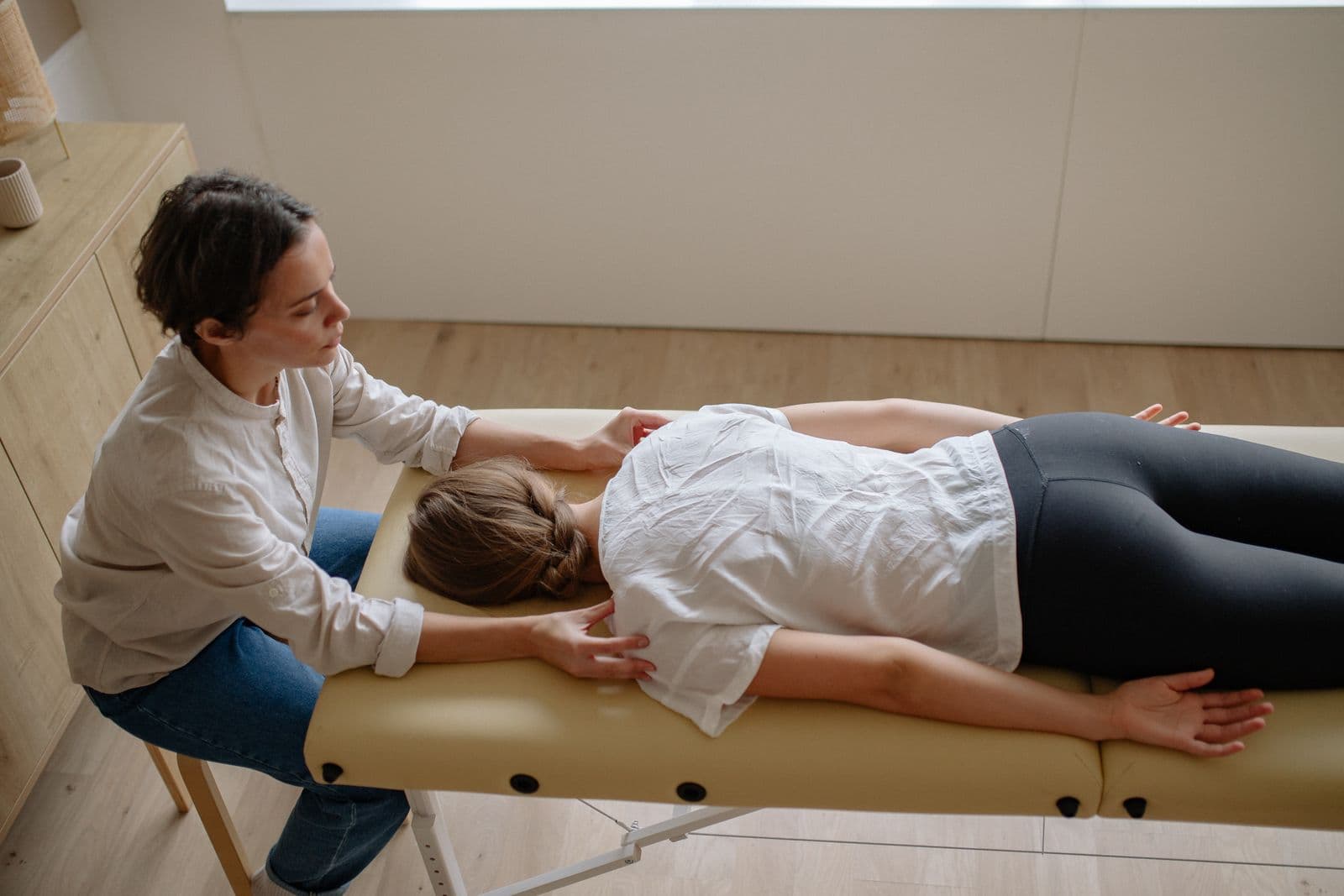
If you've been living with chronic lower back pain, you know how it can dominate every part of your life. Simple tasks like bending to tie your shoes, sitting through a work meeting, or playing with your children can become sources of worry and discomfort. The persistent ache, stiffness, and limitation can leave you frustrated and searching for answers. The good news is that chiropractic care is one of several conservative, research-supported options that can help many people manage chronic lower back pain and get back to the activities they value.
Understanding Chronic Lower Back Pain
Chronic lower back pain is pain that persists for months, often continuing after the original injury or trigger has healed. Unlike acute pain, which serves as a warning signal, chronic pain can linger long after tissues have recovered. It is one of the most common reasons adults seek care. The causes vary, ranging from degenerative disc changes and arthritis to muscle imbalances, poor posture, and previous injuries that never fully resolved.
What makes chronic lower back pain challenging is that it's rarely just about the spine itself. Surrounding muscles, ligaments, nerves, stress, and sleep all play a role. This complexity is why an approach that looks at the whole person, not just the painful spot, tends to work best.
How Chiropractic Care Addresses Contributing Factors
Chiropractic care looks at the relationship between the spine, the nervous system, and how the body functions as a whole. Rather than focusing only on symptoms, chiropractors work to identify and address mechanical problems that may be contributing to your discomfort.
The cornerstone of chiropractic treatment is spinal manipulation, also known as an adjustment. This involves applying a controlled force to joints that have become restricted in their movement, with the goal of improving how those joints move.
Beyond adjustments, chiropractors often use soft tissue work to release tight muscles, mobility exercises to improve flexibility, and posture strategies. The goal is not just temporary relief but better function and a plan you can manage over time.
What the Research Shows
Clinical practice guidelines, including those published by the American College of Physicians, list non-drug approaches such as exercise, spinal manipulation, and other hands-on and mind-body therapies among the first options to consider for chronic lower back pain, before or alongside medication.
Research reviews generally describe the benefit of spinal manipulation for chronic lower back pain as modest, and serious side effects as uncommon. That is one reason it tends to be most useful as part of a broader plan that includes exercise and education, rather than as a stand-alone fix.
What to Expect During Chiropractic Treatment
A first chiropractic visit typically begins with a comprehensive evaluation. Your provider will take a detailed history of your pain, including when it started, what makes it better or worse, and how it affects your daily activities. A physical examination assesses your posture, range of motion, muscle strength, and neurological function. In some cases, imaging such as X-rays may be recommended or referred to better understand what is going on.
Based on this assessment, your chiropractor will develop a personalized treatment plan. Early visits often focus on calming pain. As treatment progresses, the emphasis shifts to restoring function, improving strength and flexibility, and preventing recurrence. Visit frequency depends on your condition, and it commonly tapers as you improve.
One of the most valuable parts of chiropractic care is education. Your provider should help you understand what's contributing to your pain and teach you strategies for self-management, including exercises, ergonomic changes, and lifestyle habits that support long-term spinal health.
Building a Complete Pain Management Plan
Chiropractic care works best as part of a broader approach to chronic lower back pain. These strategies complement treatment:
- Stay active: It may seem counterintuitive, but movement helps chronic back pain. Low-impact activities like walking, swimming, or yoga help maintain flexibility and strength without aggravating symptoms.
- Practice good posture: Whether sitting, standing, or lifting, good body mechanics reduce unnecessary strain on your spine and its supporting structures.
- Maintain a healthy weight: Extra weight adds stress to your lower back, and even modest weight loss may help.
- Manage stress: Chronic pain and stress feed each other. Mindfulness, deep breathing, and adequate sleep support both mental and physical well-being.
- Stay consistent: As with any exercise or rehabilitation program, you will usually get the most from care when you follow through with the plan and your home exercises.
When to Seek Professional Help
Chiropractic care is generally well tolerated, but it's important to seek prompt medical evaluation if you notice any red flags. These include back pain with fever, unexplained weight loss, loss of bowel or bladder control, progressive weakness or numbness in your legs, or pain that's worse at night or when lying down. These symptoms can signal a more serious condition that needs immediate medical attention.
Even without these warning signs, if your back pain has lasted more than a few weeks, is interfering with daily activities, or isn't responding to self-care, it's time to see a healthcare provider. Addressing back pain early can help keep a short-term problem from becoming a long-term one.
Chronic Back Pain Care at KC Wellness and Physiotherapy
Dr. Kowin Casey's approach, which the practice calls Achieving an Optimum Balance, means looking for underlying causes and making specific interventions and lifestyle adjustments to optimize the conditions for normal function. For chronic lower back pain, care may include chiropractic and spinal corrective care, non-surgical spinal decompression and traction, and physiotherapy and rehabilitation exercises, chosen after a thorough evaluation. Learn more on our lower back pain page.
Living with chronic lower back pain doesn't have to be your new normal. By combining hands-on care with education, exercise, and lifestyle changes, you can take meaningful steps toward less pain and more freedom to do the things you enjoy.