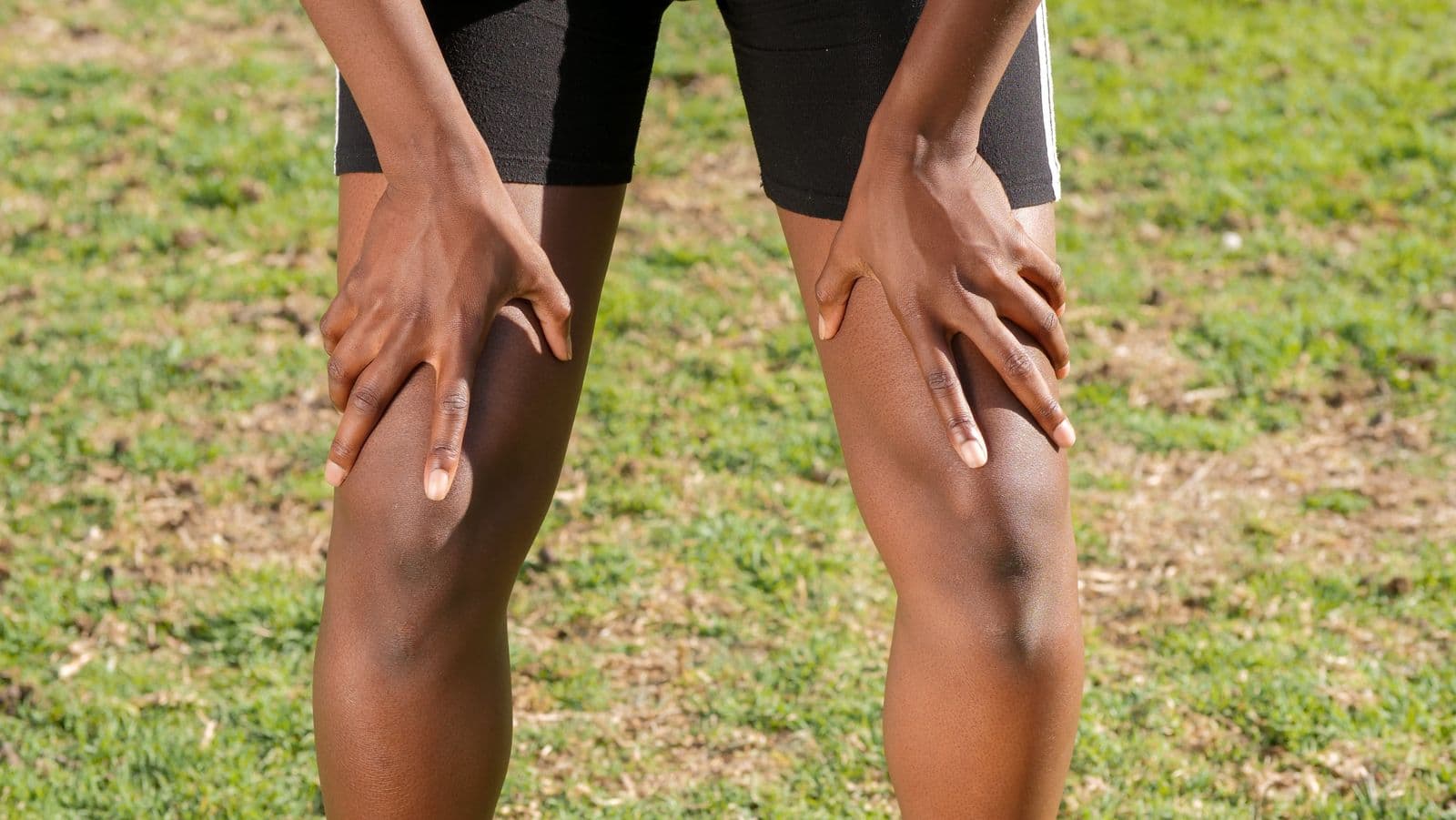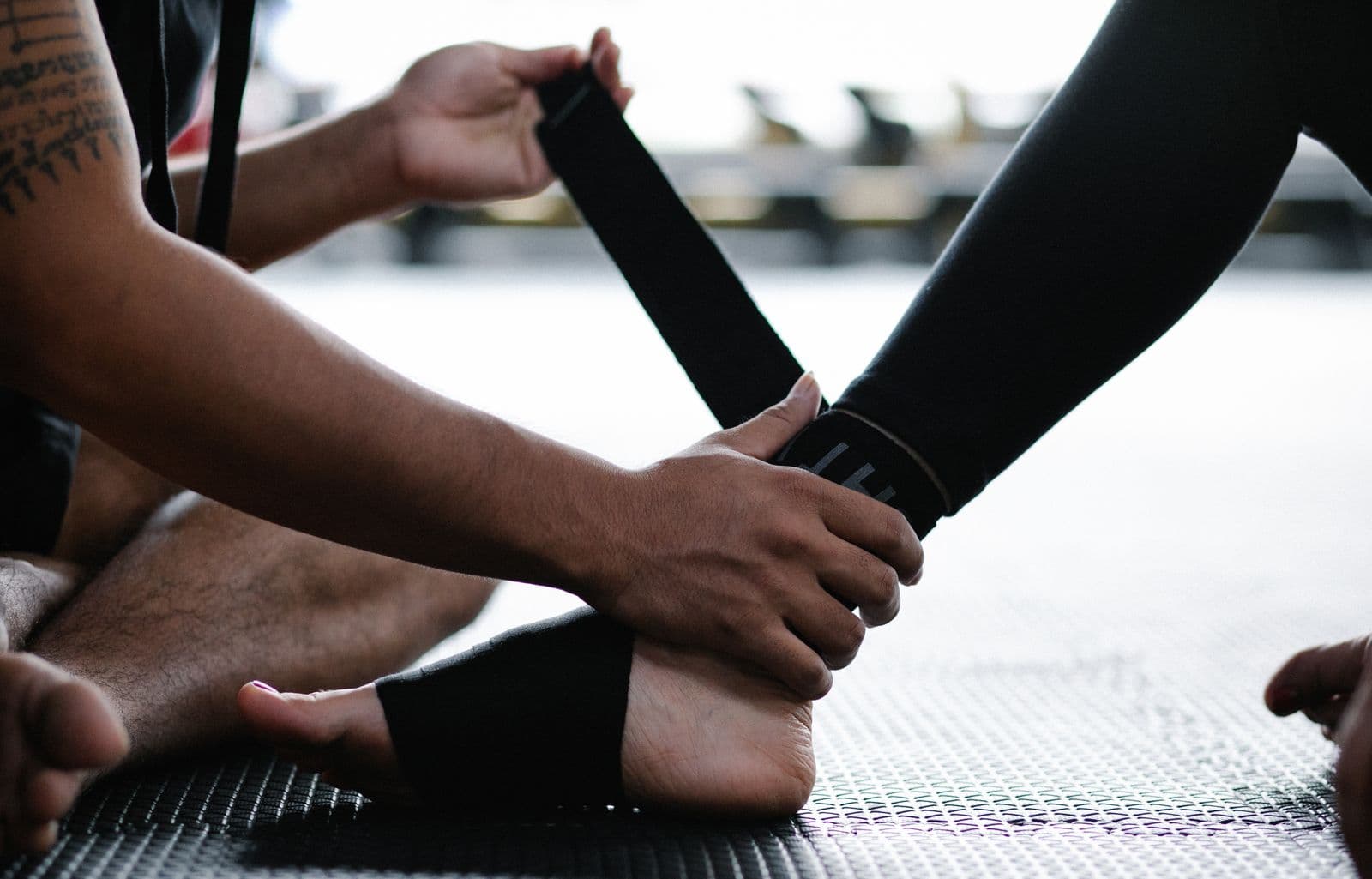
Whether you are training for your first race or your next marathon, an injury can cut the joy of running short. Running injuries are very common, and many of them trace back to a handful of causes that you can do something about: how quickly you build your training, how strong your supporting muscles are, how you move, and how well you recover.
Dr. Kowin Casey, DC, lettered in football and track as an NCAA athlete and received a certification in Physiotherapy with an emphasis in Sports Rehabilitation. Here is what every runner should know about staying healthy on the road or trail.
Understanding Common Running Injuries
Running is repetitive. Each foot strike sends a force through your legs that is greater than your body weight, and a single run adds up to a great many of those impacts. The most common running injuries include:
- Runner's knee (patellofemoral pain): pain around or behind the kneecap
- Shin splints: pain along the inner edge of the shinbone
- Achilles tendinopathy: pain and stiffness in the Achilles tendon
- Plantar fasciitis: heel pain, especially with the first steps in the morning
- IT band syndrome: pain on the outside of the knee
- Stress fractures: small cracks in bone from overuse, which need medical evaluation
These conditions vary in location and severity, but they share common root causes: training errors, movement and strength imbalances, inadequate recovery, and weakness in supporting muscles.
Smart Training Progression
Gradual progression is one of the most important principles in injury prevention. Increase your weekly mileage in small, steady steps rather than big jumps, which gives your bones, tendons, and muscles time to adapt to the added load.
Distance is not the only variable. A sudden increase in intensity, such as adding speed work or hill repeats, can be just as risky as adding miles. When you introduce a new type of training, consider trimming your overall volume for a while so your body can adjust.
Sudden spikes in training load are widely recognized as a common contributor to running injuries. Patience while building your base is not just conservative, it is sensible.
Strength Training: An Often Overlooked Tool
Many runners focus only on logging miles, but strength training plays a real role in injury prevention. Running demands muscular endurance, power, and stability. Weakness in the hips, core, and glutes can force other structures to compensate, which may lead to overuse injuries. Key areas to target include:
- Hip abductors and rotators: help control knee alignment as your foot lands
- Core stabilizers: maintain posture and transfer force efficiently
- Calf muscles: absorb impact and help propel you forward
- Small muscles of the foot: support the arch
A couple of short strength sessions each week can make a difference. Exercises such as single-leg squats, clamshells, planks, calf raises, and bridges need little equipment and can be done at home. If you are new to strength work or have a history of injury, ask for guidance on form and progression. For more on this, see the importance of core strength.
Running Form and Mechanics
There is no single perfect running form, but certain patterns can add stress. Common issues include:
- Overstriding: landing with your foot far in front of your body increases braking forces
- Excessive bounce: too much vertical motion wastes energy and adds impact
- Crossover gait: feet landing across your midline can stress the hips and IT band
- Landing on a straight, locked knee: sends more force up the leg
Small changes can help. A modest increase in cadence, meaning slightly quicker and shorter steps, often reduces overstriding naturally. Individual variation is normal, so changes should be gradual.
A movement assessment can identify your specific patterns. Sometimes the problem is not your running form itself but an underlying mobility restriction or weakness that forces your body to compensate.
Recovery: The Missing Training Component
Recovery is an active process. Training creates small amounts of tissue stress, and your body rebuilds stronger during recovery. Without enough recovery, fatigue can build faster than your body can repair. Essential recovery strategies include:
- Sleep: consistent, adequate sleep supports tissue repair
- Nutrition: enough protein and overall energy support repair and bone health. Personalized nutrition coaching can help.
- Active recovery: easy movement days improve blood flow without adding much stress
- Mobility work: stretching and foam rolling help maintain range of motion
- Cross-training: cycling, swimming, or yoga maintain fitness with less impact
Watch for signs that you need extra recovery: persistent soreness, disrupted sleep, mood changes, or performance that declines even though your training has not changed.
When to Seek Professional Help
Not every ache needs a visit. Some soreness is normal as your body adapts. These red flags, however, deserve an assessment:
- Pain that worsens during a run or does not improve with rest
- Pain that lingers despite a period of reduced training
- Sharp, sudden pain rather than a gradual ache
- Pain that changes the way you run
- Localized swelling, warmth, or visible changes
- Pain at rest or at night
Addressing a problem early often makes recovery simpler. An assessment can help identify the likely cause, whether a training error, a movement issue, or a weakness pattern, and guide a plan to address it. Pain at rest, pain at night, or bone pain that is tender to the touch can signal a stress fracture, and imaging may be recommended or referred.
Building a Resilient Foundation
There is no single magic fix for running injuries. Prevention comes from layering several habits: gradual progression protects against training errors, strength work addresses weakness, good mechanics reduce stress, and recovery allows adaptation.
Runners who stay healthy tend to share the same habits. They progress patiently, listen to their bodies, make time for strength and mobility, and do not ignore early warning signs.
At KC Wellness and Physiotherapy, Dr. Casey provides sports injury care, physiotherapy and rehabilitation, and kinesio taping, and he works with local schools and students. If you are dealing with pain from running, or want help with a return-to-running plan, call our office at (913) 424-2410.