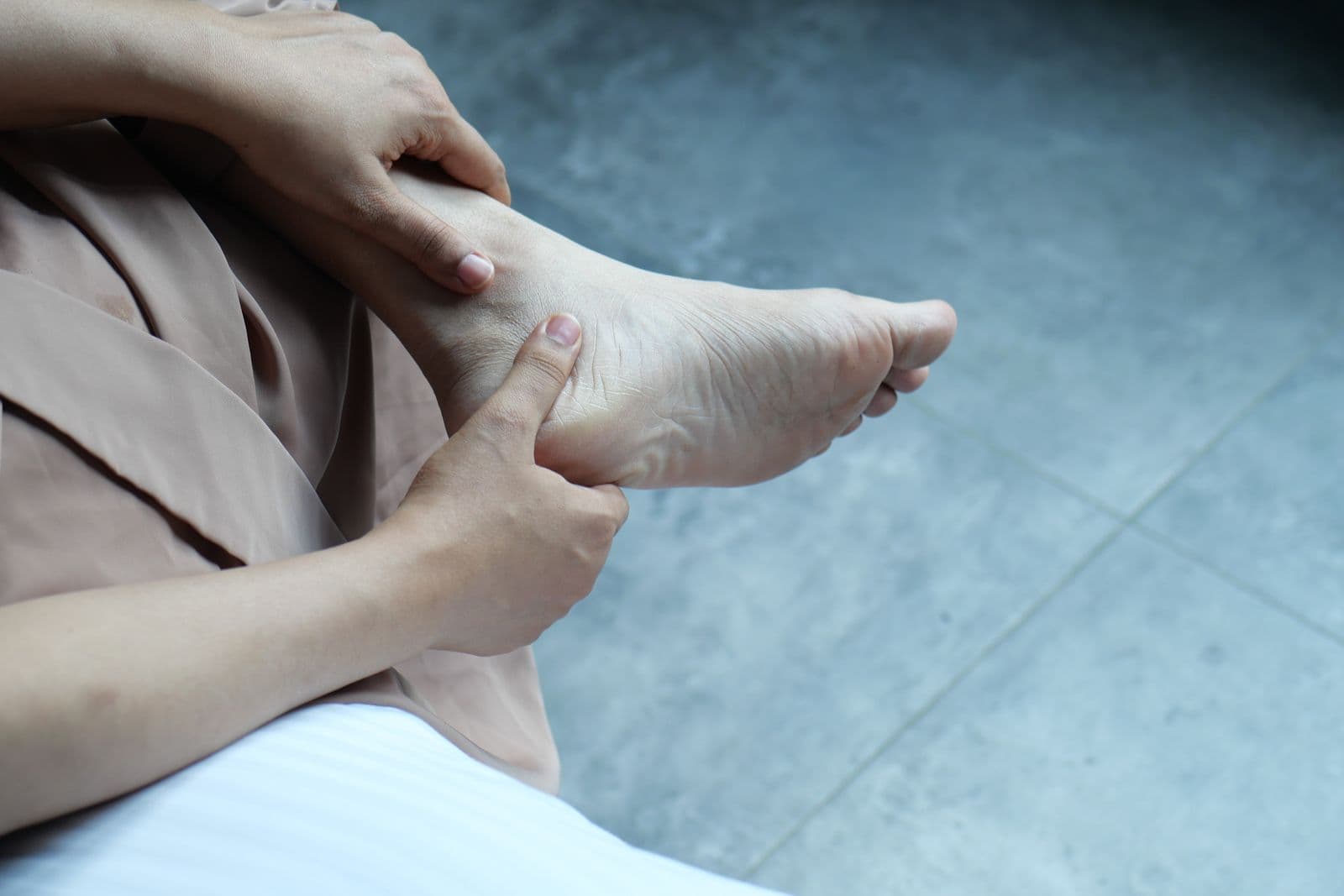
That first step out of bed shouldn't feel like stepping on broken glass. Yet for many people, morning heel pain is a daily reality: a sharp, stabbing reminder that something isn't right. Plantar fasciitis is one of the most common causes of heel pain. The good news is that with the right approach, it often responds well to conservative care.
What Is Plantar Fasciitis?
The plantar fascia is a thick band of tissue that runs along the bottom of your foot, connecting your heel bone to your toes. Think of it as a natural shock absorber and arch support. When this tissue becomes irritated or develops small tears from repetitive stress, the result is plantar fasciitis.
The hallmark symptom is sharp heel pain, especially with the first steps in the morning or after a period of rest. The pain often eases with movement as the tissue warms up, then returns after long periods of standing or when you get up after sitting.
Why Does It Develop?
Plantar fasciitis rarely has a single cause. It usually develops from a combination of factors that place excess stress on the plantar fascia:
- Foot mechanics: Flat feet, high arches, or an unusual walking pattern change how weight is distributed and strain the fascia
- Activity level: Sudden increases in running, standing, or walking, especially on hard surfaces, can trigger symptoms
- Footwear: Worn-out shoes or shoes without good arch support place extra stress on the fascia
- Age and weight: It is more common in middle age, and extra body weight adds stress to the plantar fascia
- Tight calf muscles: Limited ankle flexibility creates additional tension on the plantar fascia
The Role of Chiropractic Care
Plantar fasciitis is a foot condition, but effective care recognizes that the body works as a connected system. Chiropractic care looks beyond the painful heel to the mechanical factors throughout the lower body that can contribute to the problem.
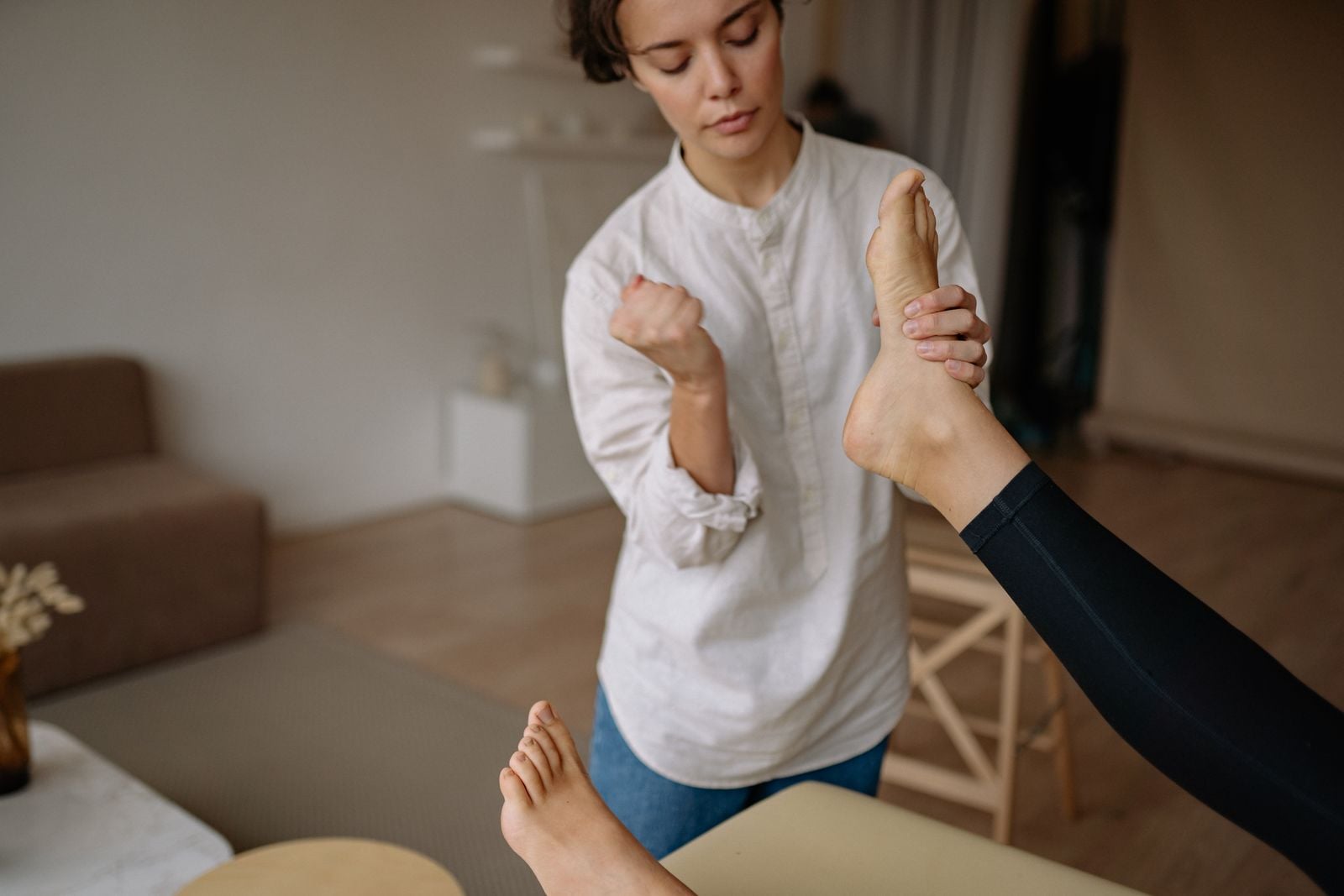
Restrictions in the ankle, knee, hip, or lower back can change the way you walk and place uneven stress on the plantar fascia. Gentle adjustments and joint mobilization aim to restore more normal motion and reduce strain on the irritated tissue.
Care often includes soft tissue work for tight calf muscles and the Achilles tendon, which directly affect plantar fascia tension, along with exercises to strengthen the foot and ankle and improve stability.
Self-Care Strategies That May Help
These self-care steps are commonly recommended:
- Stretching: Regular calf and plantar fascia stretches, especially before you stand up in the morning, can help reduce pain
- Cold therapy: Rolling the foot over a frozen water bottle for a few minutes at a time may ease soreness
- Supportive footwear: Shoes with good arch support and cushioning matter; replace athletic shoes once the cushioning is worn down
- Activity modification: Temporarily cutting back on high-impact activities gives the tissue a chance to heal
- Night splints: Keeping the fascia gently stretched overnight can reduce morning pain for some people
- Arch support: Custom or over-the-counter arch supports can improve foot mechanics and reduce strain
Recovery Timeline and Expectations
Many people improve steadily over several weeks to a few months with consistent conservative care, though long-standing cases can take longer. The key is patience and sticking with your plan.
Keep up preventive habits even after symptoms resolve. Plantar fasciitis can come back when the underlying risk factors aren't addressed, so good footwear, regular stretching, and attention to mechanical issues all help prevent future episodes.
When to Seek Professional Help
Some cases of plantar fasciitis respond to self-care, but professional care can help when home measures aren't enough. Consider scheduling an evaluation if you have:
- Heel pain that lasts beyond a few weeks despite rest and home care
- Severe pain that limits your ability to walk or stand
- Pain along with numbness, tingling, or swelling in the heel
- Recurring episodes of heel pain
A thorough evaluation can identify the factors specific to your situation and guide a plan that addresses the cause, not just the symptoms.
Heel Pain Care at KC Wellness and Physiotherapy
Dr. Kowin Casey looks at the whole chain, from your foot and ankle up through the knee, hip, and lower back. Depending on what he finds, a plan may include chiropractic and spinal corrective care when the lower back or pelvis is part of the problem, soft tissue work such as Active Release Technique and myofascial release for tight calves, kinesiology taping to support the foot without restricting motion, dry needling, which may provide relief for some muscular pain and stiffness, and physiotherapy and rehabilitation exercises to strengthen the foot and ankle. Learn more on our plantar fasciitis page.
Plantar fasciitis is more than an inconvenient foot problem. It can limit your activities and affect how you feel day to day. With the right approach, many people get back to walking, running, and standing comfortably. If you're struggling with heel pain in Kansas City, MO, professional guidance can help you return to the activities you love.