The ache that travels down your leg when you stand too long. Numbness in your feet that makes walking feel uncertain. The growing realization that you need to sit down sooner than you used to. If these sound familiar, you may be dealing with spinal stenosis, a common condition in which the spaces inside the spine narrow and put pressure on the nerves that pass through them.
Stenosis can affect your quality of life, and understanding what is happening is the first step toward managing it. The good news is that there are several treatment options, and many people improve with conservative care without needing surgery. Here is what spinal stenosis is, why it develops, and how different approaches, including chiropractic care and rehabilitation, may help.
What Is Spinal Stenosis?
Spinal stenosis is a narrowing of the spaces within the spine, most often in the lower back (lumbar stenosis) or the neck (cervical stenosis). The spinal canal houses and protects the spinal cord and nerve roots. When that protective tunnel narrows, it can compress the nerves and cause pain, numbness, tingling, and weakness.
The narrowing usually happens gradually over many years. With age, the tissues around the spine can thicken, joints can enlarge, and discs can bulge, all of which can reduce the space available for the nerves. Think of a busy highway slowly losing lanes: the same traffic has to squeeze through a smaller space.
Age-related wear is the most common cause, but arthritis, bone spurs, thickened ligaments, disc bulges or herniations, previous spinal injuries, and, less often, tumors or inherited differences in spinal anatomy can also contribute. Some people are simply born with a narrower spinal canal, which makes them more susceptible as they age.
Who Does Spinal Stenosis Affect?
Stenosis is most common in middle-aged and older adults, because degenerative changes build up over decades, and it becomes more common with age. Younger people can develop it after an injury, or if they were born with a narrower canal.
People with previous spine injuries or physically demanding jobs may face a higher risk. Knowing your risk factors is useful because staying active and addressing symptoms early can help you keep doing the things you enjoy.
Recognizing the Symptoms
Stenosis symptoms often develop gradually and may come and go at first. A hallmark sign of lumbar stenosis is neurogenic claudication: pain, cramping, or weakness in the legs that gets worse with standing or walking and eases when you sit or lean forward. Standing upright narrows the canal a little more, while sitting or bending forward opens it slightly and takes pressure off the nerves.
Common symptoms include:
- Pain, numbness, or tingling that travels down one or both legs (see sciatica)
- Weakness in the legs or feet, which in severe cases can cause the foot to drag
- Lower back pain, which may or may not come with leg symptoms
- Balance problems or reduced coordination
- With stenosis in the neck: clumsiness in the hands, trouble with balance, or changes in bladder or bowel control
Many people notice they can walk farther in a grocery store while leaning on a cart, or that cycling is easier than walking. Both positions flex the spine forward and temporarily create more room for the nerves. These workarounds are useful clues, and they are also a sign that an evaluation is worthwhile. Symptoms from a compressed nerve are covered in more detail on the nerve impingement page.
Treatment Approaches
Treatment depends on how severe your symptoms are, how much they limit you, and your overall health. Guidelines generally recommend starting with conservative care, and many people see meaningful improvement without surgery.
Chiropractic Care and Manual Therapy
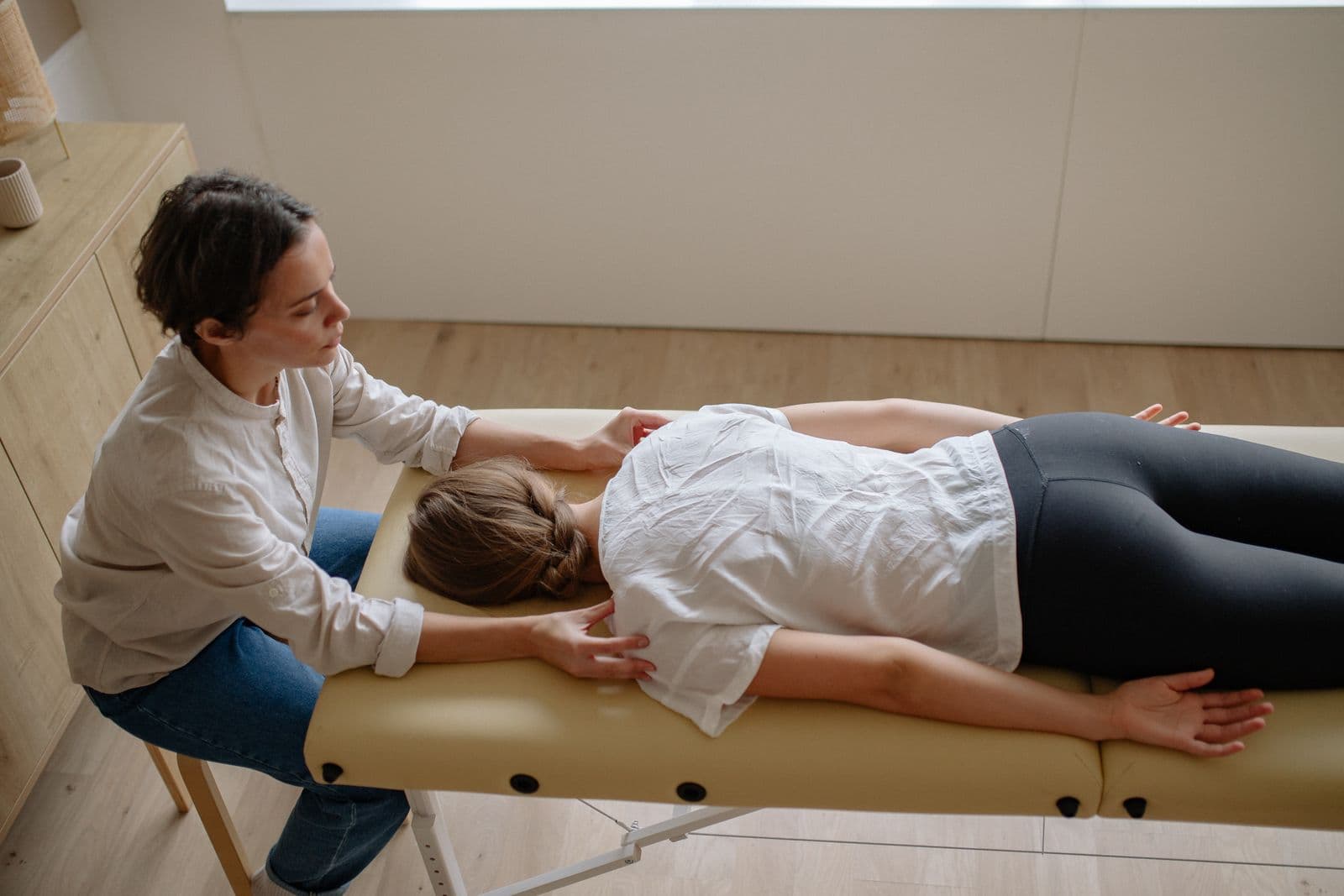
Chiropractic care for stenosis focuses on improving how the spine and hips move, easing muscle tension, and keeping you active without aggravating the nerves. When stenosis is present, a careful practitioner uses gentle, specific techniques and mobilization suited to your condition rather than forceful manipulation. Learn more about chiropractic and spinal corrective care.
Some people also benefit from traction-based approaches. KC Wellness and Physiotherapy offers non-surgical spinal decompression for the neck, mid back, and lower back, along with manual and mechanical traction. Research on traction for stenosis is mixed, so it is usually one part of a broader plan, and it is not appropriate for everyone.
Exercise and Rehabilitation
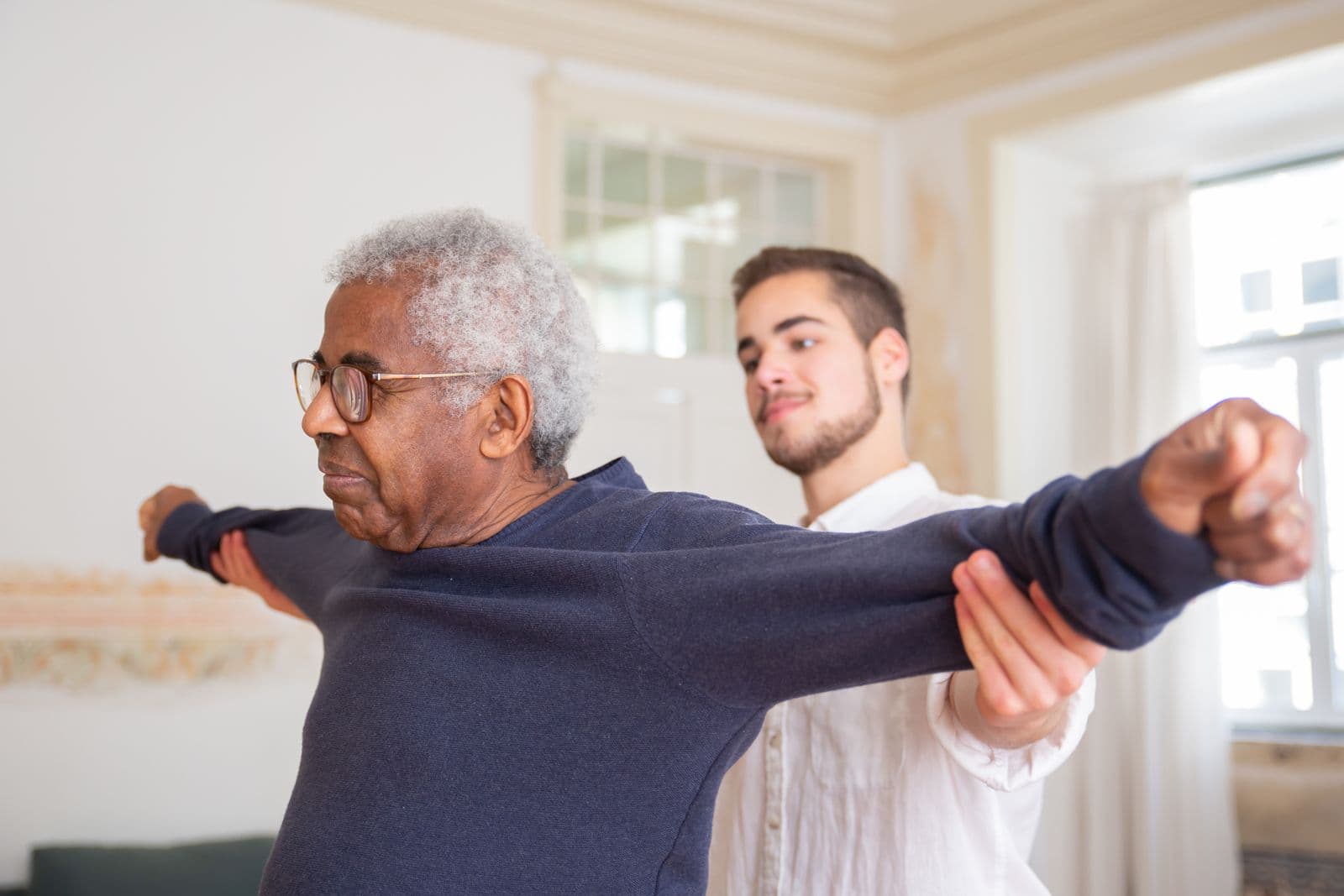
Structured exercise emphasizes core strength, flexibility, and posture. Flexion-based exercises, which involve gentle forward bending, often feel better for people with lumbar stenosis because they open the spinal canal slightly. Dr. Casey's physiotherapy and rehabilitation care includes therapeutic exercise matched to what you can comfortably do. See also why core strength matters for spinal health.
Water-based exercise can also help, because buoyancy reduces the load on the spine. Many people who struggle with walking find cycling or pool exercise more comfortable.
Lifestyle Changes
Simple changes can make a real difference:
- Maintain a healthy weight to reduce mechanical stress on the spine
- Use a walking stick or walker when needed
- Adjust your environment, for example by raising work surfaces to avoid prolonged bending
- Choose low-impact activities such as cycling, swimming, or an elliptical over high-impact exercise
Medical Treatments
When conservative care alone is not enough, your physician may recommend anti-inflammatory medication, medication for nerve pain, or epidural steroid injections to calm inflammation around compressed nerves. These are usually combined with rehabilitation and lifestyle changes rather than used on their own.
Surgery, such as a laminectomy or a fusion, is usually reserved for severe or progressive neurological symptoms, significant disability despite conservative care, or emergencies involving bladder or bowel control. Many people with stenosis manage their symptoms without ever needing surgery.
Creating Your Treatment Plan
Stenosis is usually best managed with a combination of approaches tailored to your symptoms, lifestyle, and goals. A thorough evaluation helps identify which structures are contributing to your symptoms and which options are most likely to help.
Your plan should change as you do. What helps during a flare-up may differ from what works for long-term management, and regular reassessment keeps the plan on track.
A collaborative approach often works well: coordinating chiropractic and rehabilitation care with your primary care physician or a spine specialist addresses both short-term comfort and long-term spine health.
When to Seek Professional Help
If leg pain, numbness, or weakness is getting in the way of daily activities, do not wait for it to become severe. Seek emergency care right away if you notice loss of bladder or bowel control, numbness in the groin or inner thighs, or rapidly worsening leg weakness.
Even mild symptoms are worth an evaluation. It can clarify what is going on and give you a plan, and many people live active, fulfilling lives with stenosis by understanding their condition and working with knowledgeable providers.
Living with spinal stenosis does not have to mean giving up the activities you enjoy. With the right mix of treatment, activity changes, and professional guidance, many people manage their symptoms well.
At KC Wellness and Physiotherapy in Kansas City, Dr. Kowin Casey, DC, sees patients at 1815 Grand Blvd. New patients can download the intake forms ahead of the first visit, or call our office at (913) 424-2410 with any questions.