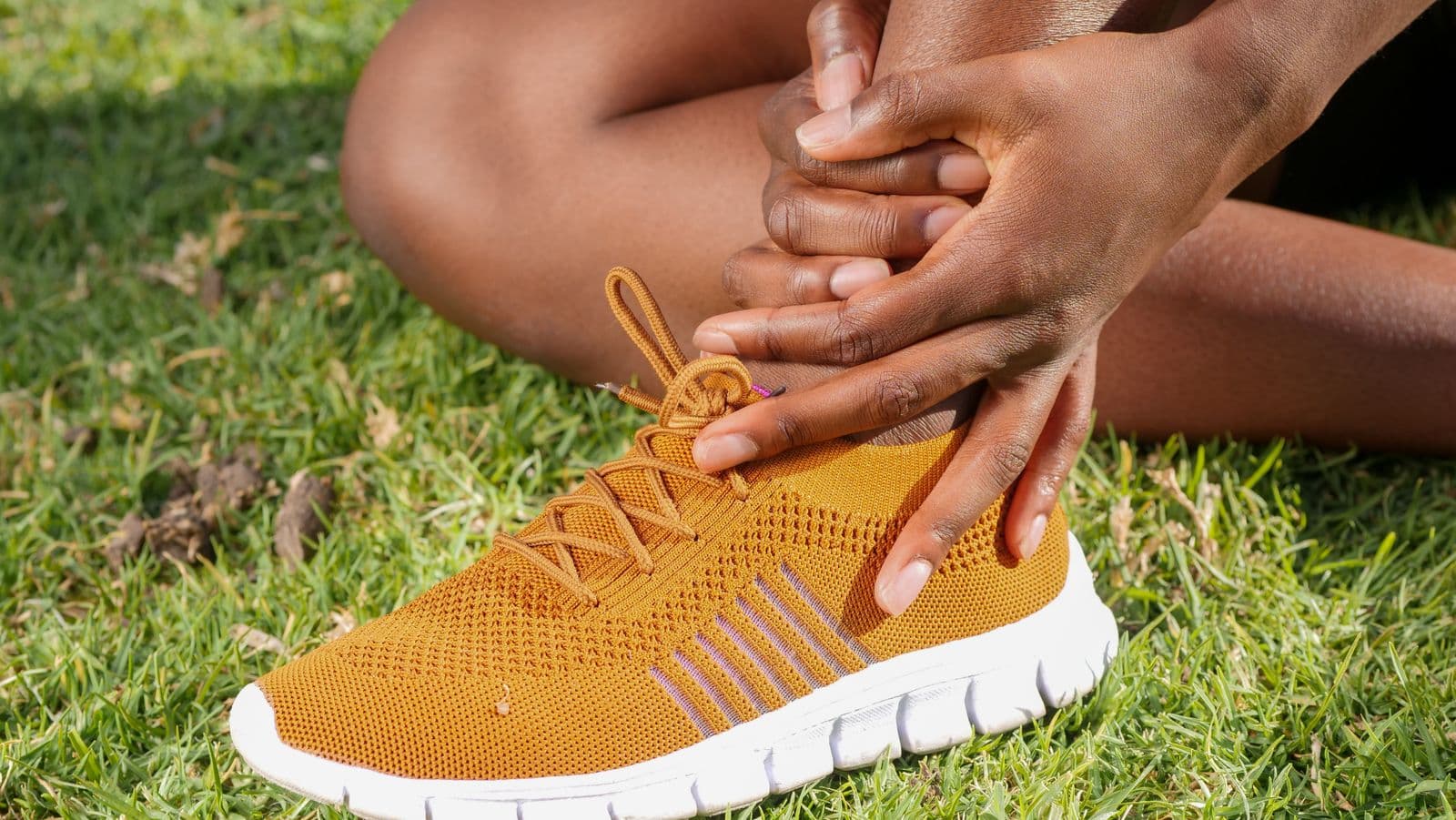
Whether you are a weekend warrior, a student athlete, or a competitive player, a sports injury can be frustrating. One moment you are pushing your limits, and the next you are sidelined with pain, swelling, and uncertainty about when you will be back. With a thoughtful approach to recovery, many athletes return to their sport with better strength and movement habits than before.
Physiotherapy, rehabilitation exercise, and chiropractic care can each play a part. The goal is to understand what caused the injury, restore healthy movement, and guide a gradual return to activity so that you can get back in the game with less risk of reinjury.
Understanding Sports Injuries: More Than Just Rest
Sports injuries range from acute injuries, such as sprains, strains, and fractures, to overuse injuries that build gradually. Common examples include ankle sprains, hamstring strains, rotator cuff irritation, stress fractures, and knee ligament injuries. Rest matters, but it is only one piece of recovery.
Healing moves through overlapping phases: inflammation, tissue repair, and remodeling. Each phase benefits from a different focus. Simply waiting for pain to fade can leave you with lingering stiffness, weakness, and compensating movement patterns. Current sports medicine thinking favors active, well-dosed rehabilitation over rest alone for most soft tissue injuries.
How Structured Care Supports Healing
Hands-on care, including joint mobilization, soft tissue work, and chiropractic adjustments where appropriate, may help reduce pain and restore motion so that you can start moving and loading the injured area sooner.
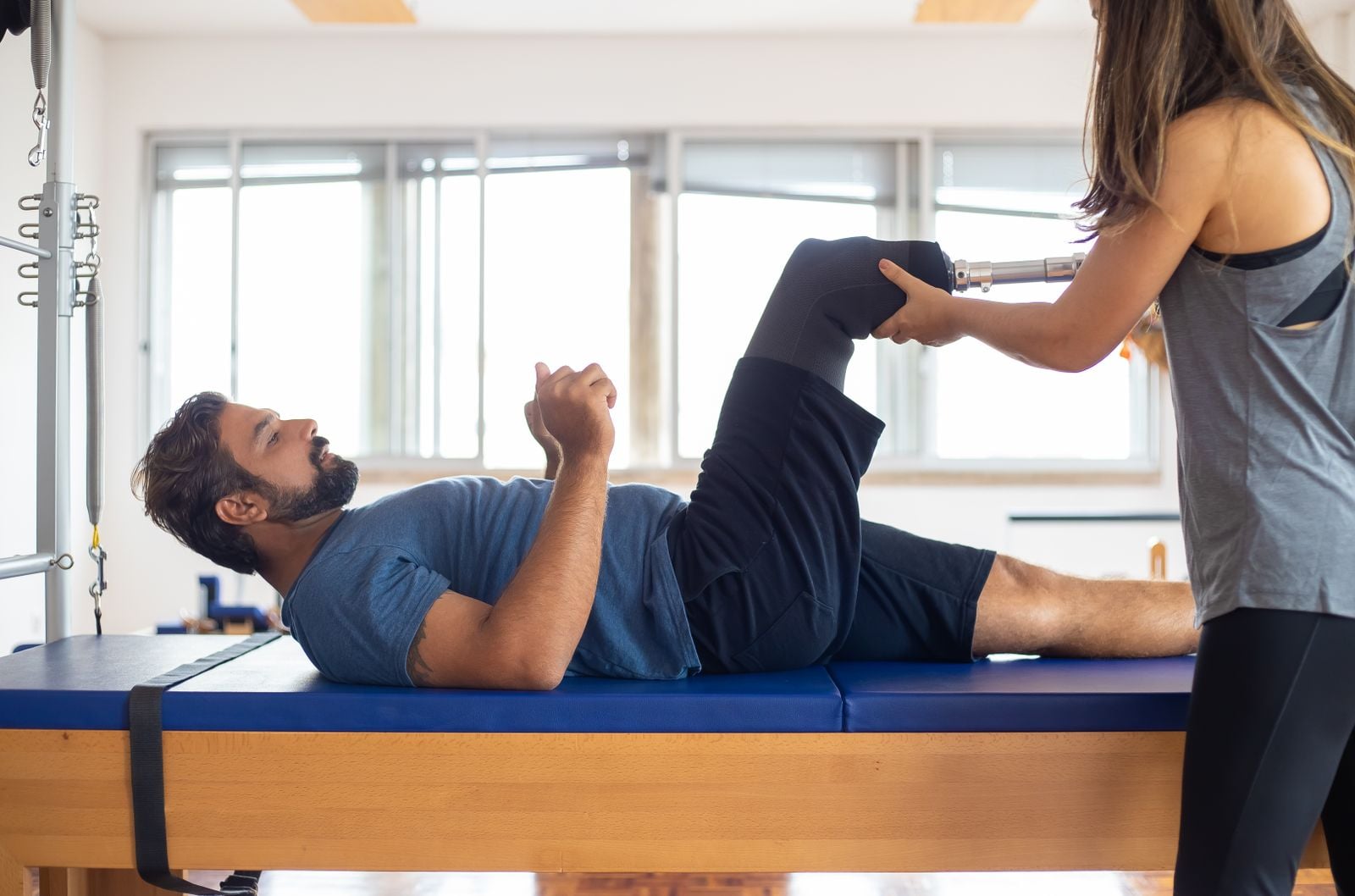
Therapeutic exercise then rebuilds strength, flexibility, and coordination. After an injury, the nervous system often "switches off" some of the muscles around the injured area, a response known as arthrogenic muscle inhibition. Progressive exercise helps retrain those muscles so the injured area regains full function.
Good care also looks at why the injury happened. Movement patterns, muscle imbalances, training errors, and equipment all play a role. Identifying and addressing those factors helps lower the chance of the injury returning.
The Stages of Sports Injury Rehabilitation
Early stage. In the first days after an injury, the focus is on protecting healing tissue, managing swelling and pain, and gentle movement within a comfortable range.
Repair stage. Next comes progressive loading that encourages tissue repair. Exercise becomes more important here, with enough challenge to stimulate healing but not so much that it causes setbacks.
Return-to-sport stage. Finally, exercises become sport-specific and add speed, power, agility, and cutting or throwing movements. This stage is also about rebuilding confidence and addressing any fear of reinjury.
Skipping or rushing a stage is a common reason injuries return. Progression is best guided by how the injured area is actually performing, such as strength, range of motion, and control, rather than by the calendar alone.
Key Components of Effective Care
- A thorough assessment to identify how the injury happened and what contributed to it
- Hands-on care to reduce pain and improve mobility
- Progressive, individualized exercise that rebuilds strength and function
- Movement retraining to address mechanics and help prevent recurrence
- Sport-specific training for the demands of your activity
- Education on training load, recovery, and injury prevention
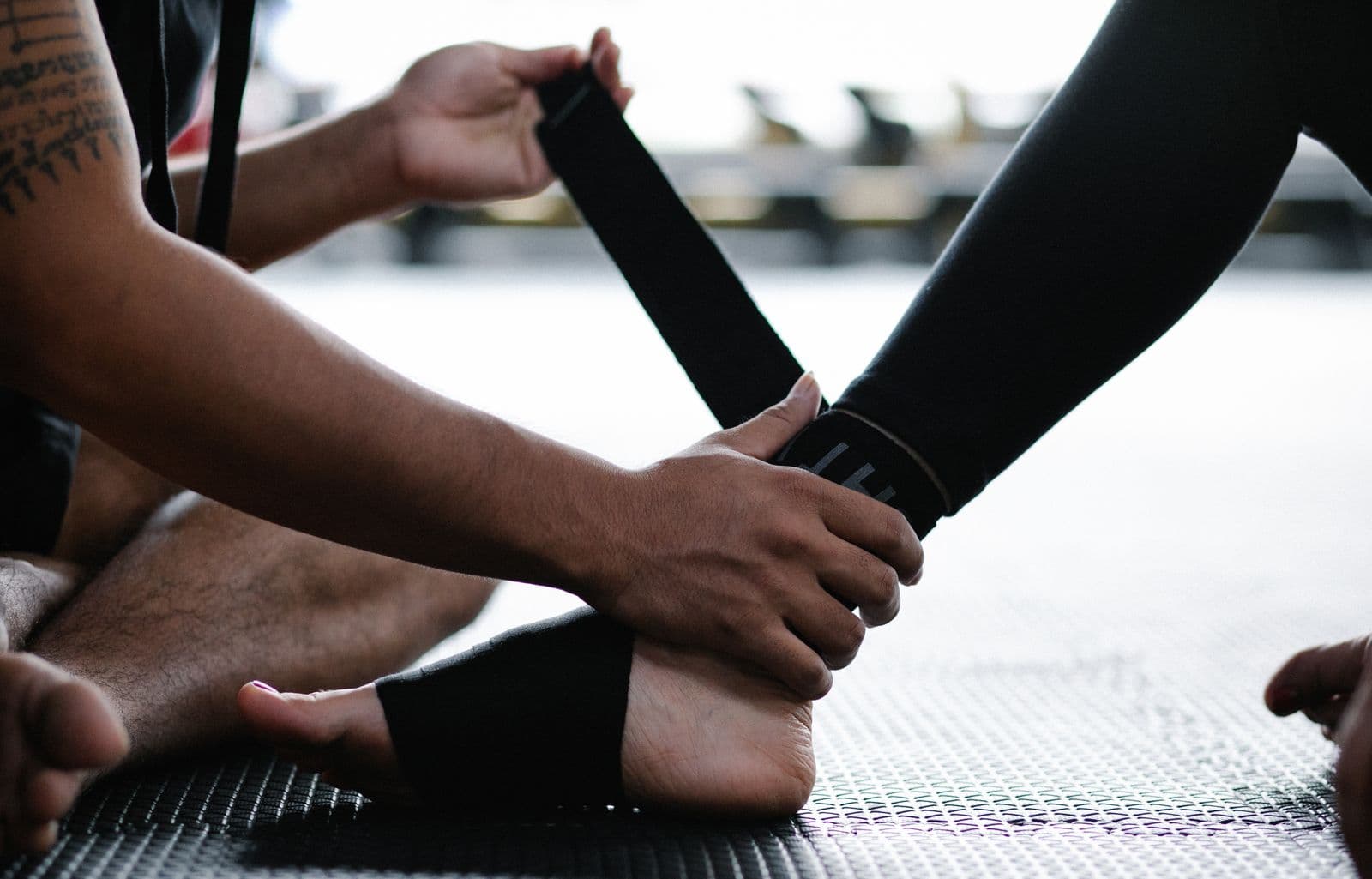
Depending on the injury, supportive options may include kinesio taping, dry needling, active release technique and myofascial release, and laser therapy. These can support recovery, but exercise and a well-planned return to activity remain the foundation.
Preventing Reinjury: The Long-Term Approach
Returning to sport too quickly, or without addressing the underlying issues, raises the risk of getting hurt again, and a repeat injury can be harder to recover from than the first. Care does not have to end the moment pain fades. It is worth continuing until strength, motion, and control are back.
Prevention means keeping the strength and flexibility gains from rehabilitation, balancing training load with recovery, warming up and cooling down well, and using appropriate equipment and technique. Good nutrition and coaching support recovery too.
When to Seek Professional Help
Not every ache needs professional care, but these signs deserve prompt attention: pain that worsens or does not improve with rest, significant swelling or bruising, inability to bear weight or use the injured area, visible deformity, or pain that disrupts sleep or daily activities. A suspected fracture, a head injury, or numbness or weakness should be evaluated urgently. If imaging is needed, it may be recommended or referred.
Addressing an injury early often makes recovery simpler, and an evaluation can bring clarity even when you are unsure whether you need care.
Sports Injury Care at KC Wellness and Physiotherapy
Dr. Kowin Casey, DC, lettered in football and track as an NCAA athlete at the University of Central Missouri and later served as an assistant coach for the Mules and Jennies athletic programs. He received a certification in Physiotherapy with an emphasis in Sports Rehabilitation and is a strength and conditioning specialist. He works with local schools and students.
Dr. Casey offers sports injury care and sports and team physicals, along with physiotherapy and rehabilitation and chiropractic care. Read more about sports injuries, or call our office at (913) 424-2410 with any questions.