When you or your child receives a scoliosis diagnosis, the conversation often turns quickly to bracing or surgery. Those treatments have an important place, but they are not the whole picture. Monitoring, exercise, chiropractic care, and daily habits can all play a role in managing comfort and function, alongside the care of a physician who is tracking the curve.
Understanding the full range of options helps patients and families make informed decisions that fit their goals, their lifestyle, and the specific features of the curve.
Understanding Scoliosis: More Than Just a Curve
Scoliosis is a three-dimensional change in the shape of the spine. It involves a sideways curve along with rotation of the vertebrae, and it can create asymmetry in the ribcage, shoulders, waist, and pelvis. The most common form, adolescent idiopathic scoliosis, is usually first noticed during the growth spurt around puberty. Learn more about scoliosis.
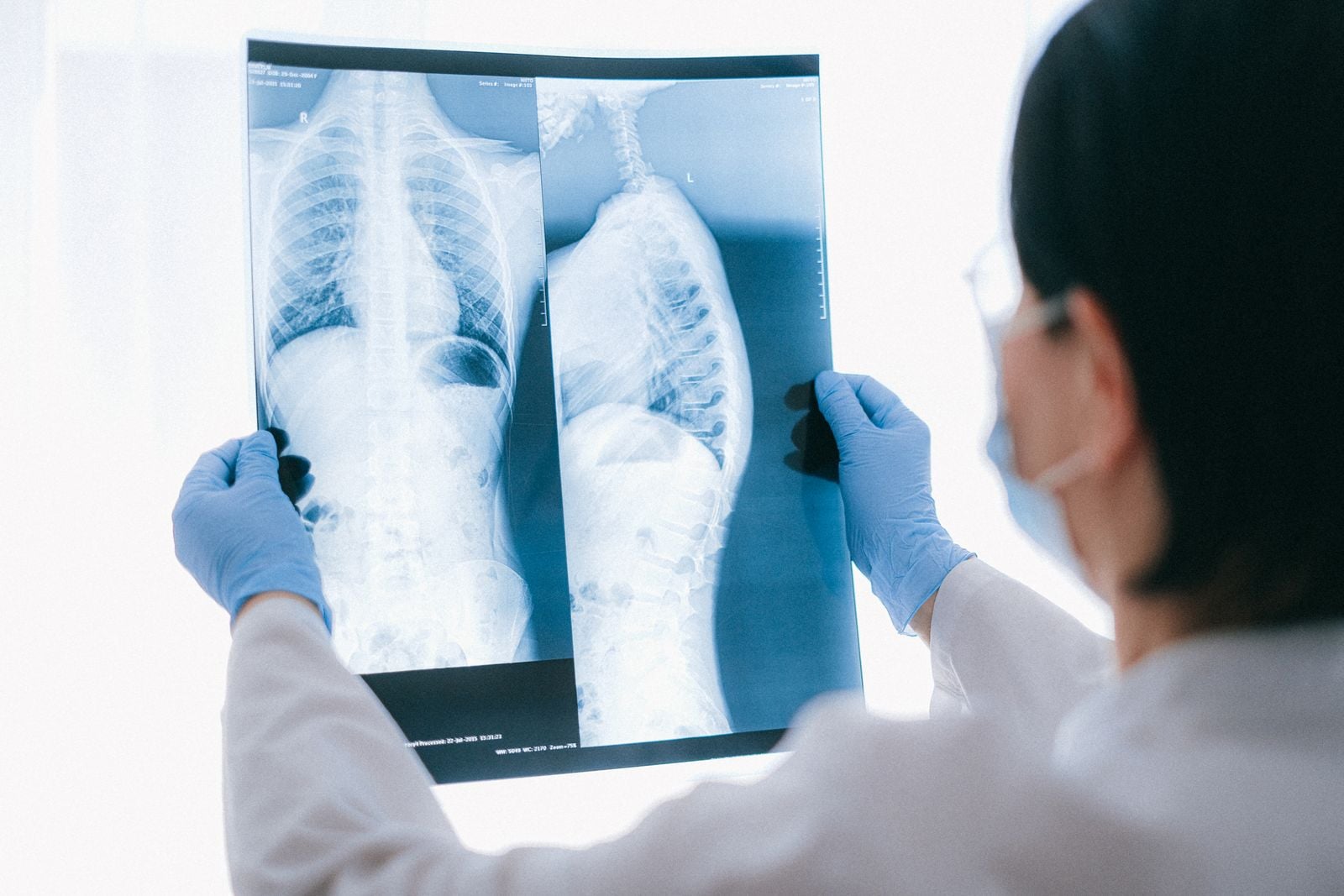
Curves are measured on X-ray using the Cobb angle and are generally described as mild, moderate, or severe. The size of the curve, the person's age, and how much growth remains all shape the recommended approach. Mild curves are often monitored over time, while larger or progressing curves in growing children may call for bracing.
The Role of Chiropractic Care
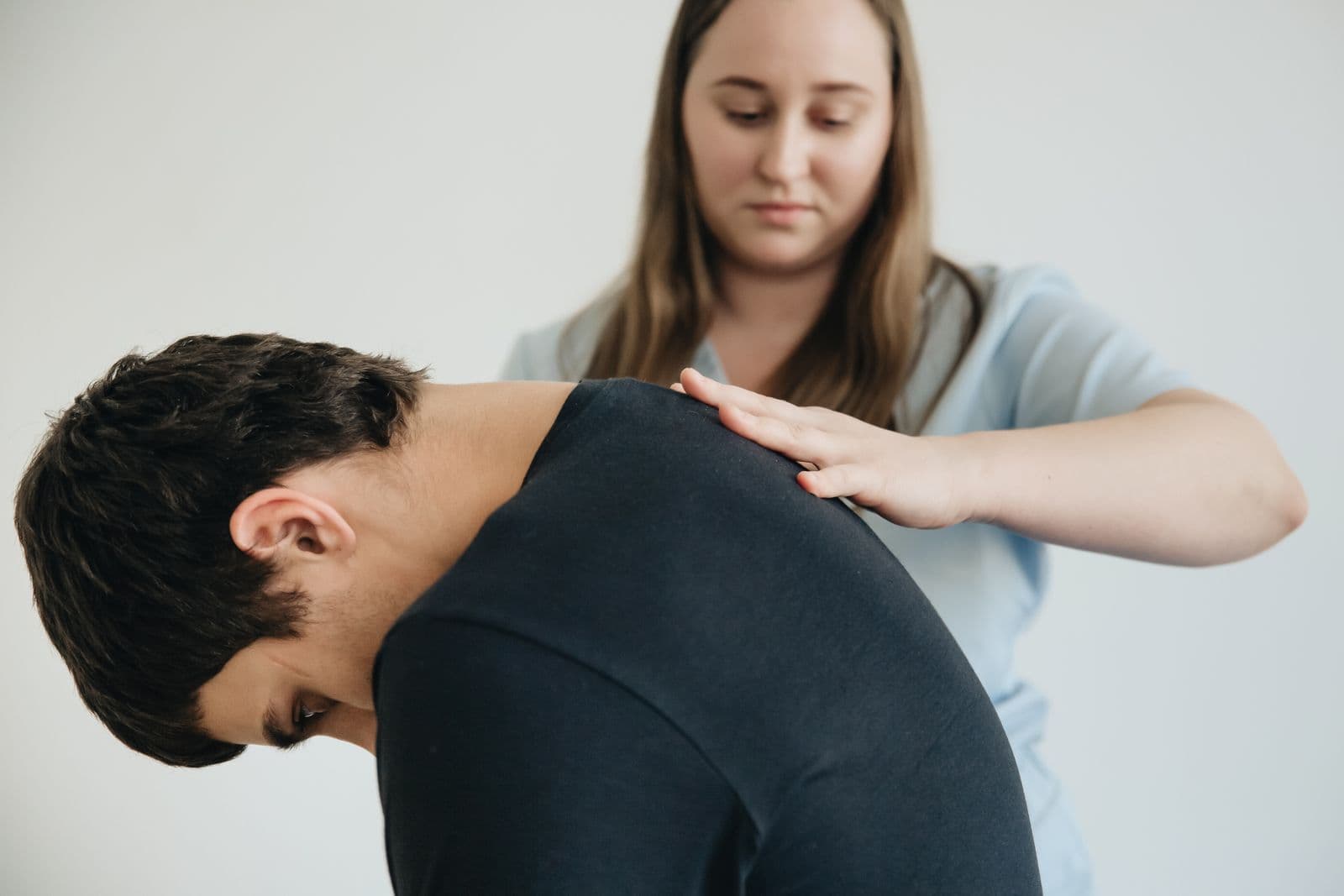
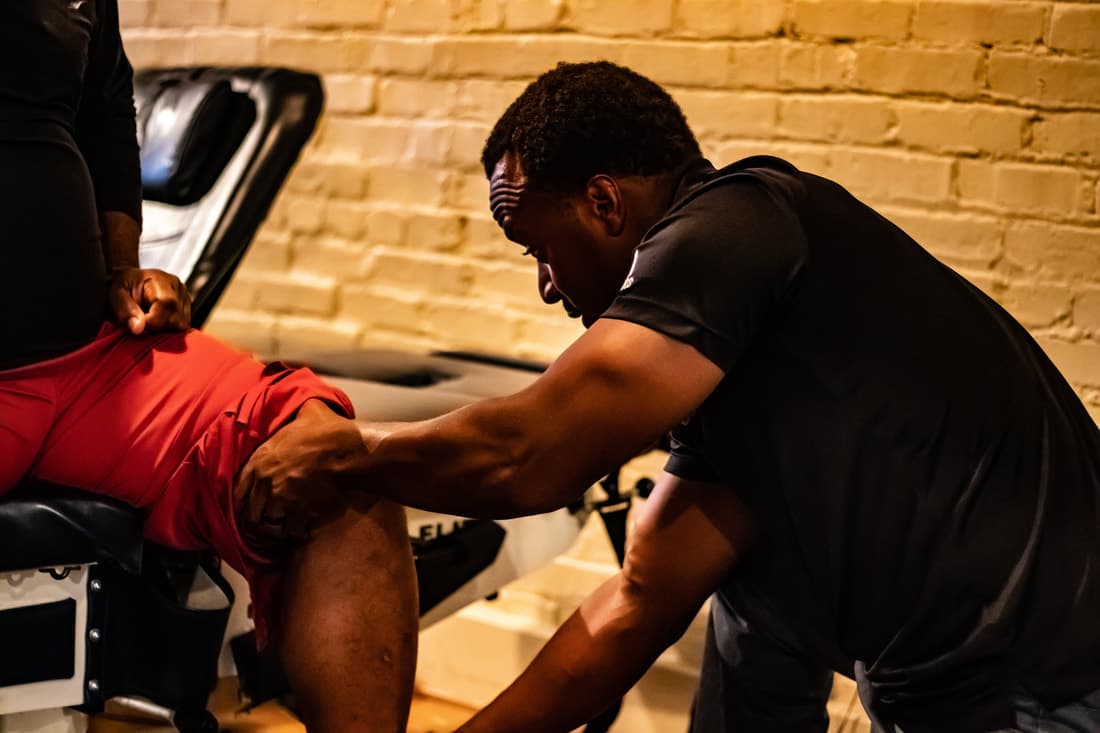
Chiropractic care for people with scoliosis focuses on joint mobility, muscle balance, and the discomfort that can come with uneven loading of the spine. It cannot cure structural scoliosis or straighten a curved spine, and anyone claiming otherwise should be viewed with caution. What conservative care aims to offer is:
- Comfort: gentle hands-on care may ease muscle tension and joint stiffness associated with the curve
- Mobility: maintaining range of motion in the spine and surrounding joints
- Postural awareness: education and exercises that support better body mechanics
- Function: helping people stay active in daily life and sports
Exercise: Building Strength and Stability
Therapeutic exercise is a central part of conservative scoliosis management. Scoliosis-specific exercise programs are designed around the individual curve pattern and aim to improve postural control, strength, and breathing mechanics. Common elements include:
- Core stabilization: exercises for the deep stabilizing muscles of the trunk
- Asymmetric strengthening: targeted work to balance muscular support on each side
- Breathing and posture work: learning to expand and position the trunk more evenly
- Flexibility training: stretching tight areas and improving overall mobility
Research on scoliosis-specific exercise is still developing. Some studies suggest these programs can help with posture and quality of life, and exercise is often used alongside monitoring or bracing rather than in place of them. See the importance of core strength for spinal health for more on trunk strength.
Lifestyle and Daily Habits
Beyond clinical care, small changes to daily routines can help people with scoliosis feel better:
- Workspace setup: a supportive chair and a screen at eye level reduce strain (see desk ergonomics)
- Regular movement: avoiding long periods in one position and changing positions often
- Backpacks: for students, using both straps and keeping loads light
- Sleep: a supportive mattress and pillow setup that keeps the spine comfortable
- Staying active: activities such as swimming, yoga, and Pilates can complement an exercise program
When Other Interventions Are Needed
Conservative care tends to be most useful for milder curves and for managing symptoms. It is important to keep realistic expectations and to work within a care plan that may include:
- Observation: periodic X-rays, ordered or referred by your provider, to track whether the curve is changing
- Bracing: often recommended for growing children with moderate curves to help limit progression
- Surgery: generally reserved for severe or progressing curves, or curves causing significant problems
Decisions about bracing and surgery should be made together with the patient, the family, and an orthopedic specialist. Conservative care can work alongside that plan rather than replacing it. Seek prompt medical evaluation for a curve that seems to be changing quickly, back pain with fever or weight loss, or numbness, weakness, or changes in bladder or bowel control.
A Proactive Approach
Living with scoliosis does not have to mean giving up the activities you enjoy. Key habits for managing it well include:
- Early detection through screening and regular monitoring
- A consistent exercise program suited to your curve pattern
- Working with providers who communicate with one another
- Addressing pain and stiffness early rather than waiting
At KC Wellness and Physiotherapy, Dr. Kowin Casey, DC, provides chiropractic and spinal corrective care, including pediatric care, along with physiotherapy and rehabilitation. He also works with local schools and students.
If you or your child has scoliosis and is dealing with discomfort or stiffness, call our office at (913) 424-2410 to ask whether a visit with Dr. Casey is a good fit.