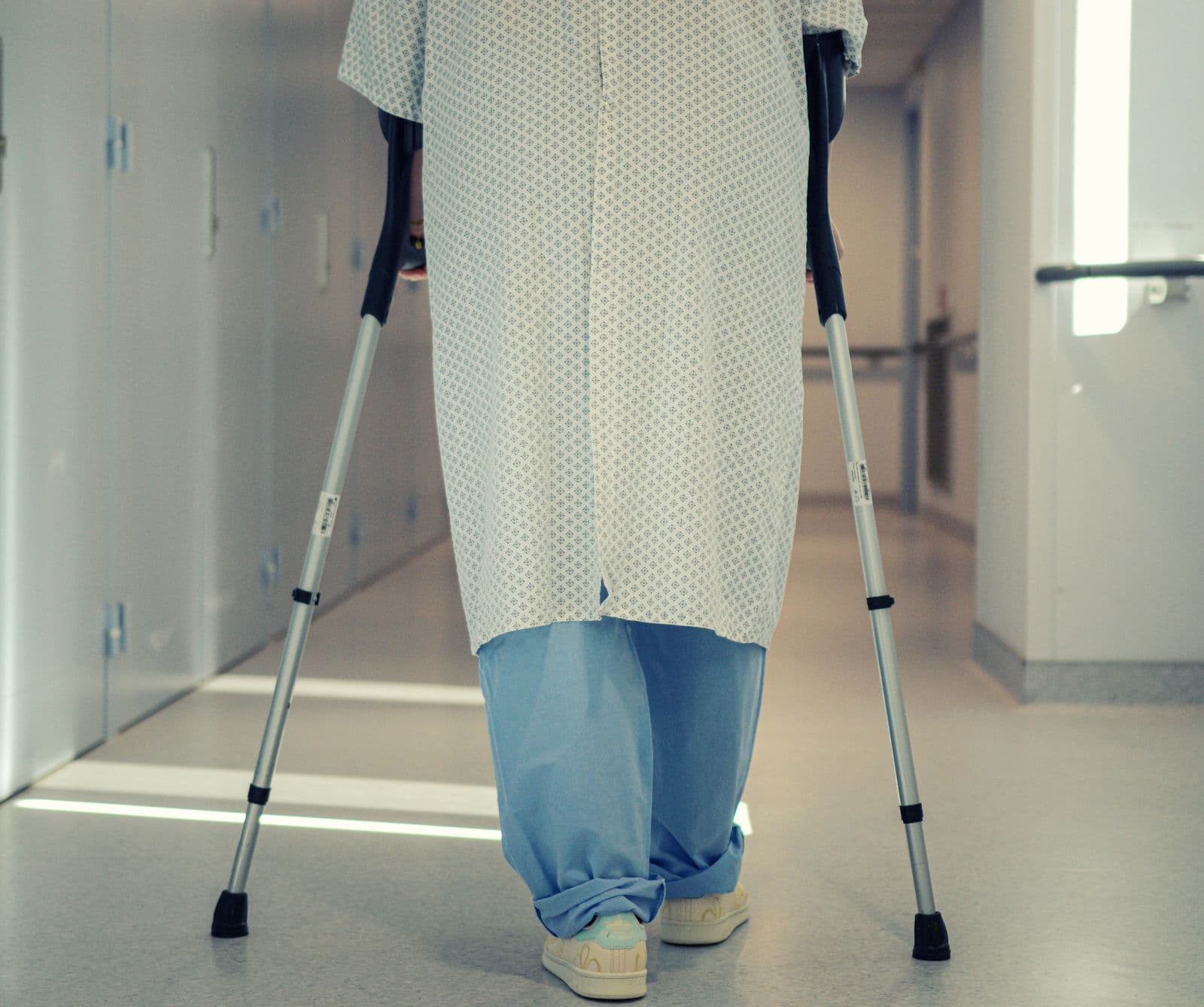
Surgery can be an important step in treating pain, injury, or disease, but recovery doesn't end when you leave the operating room. Post-surgical rehabilitation shapes how well you recover, how quickly you regain function, and whether you're left with lingering pain. Surgeon-directed rehabilitation is the foundation of post-operative care, so many patients wonder: where does chiropractic care fit in?
The answer depends on the type of surgery, your healing timeline, and your surgeon's recommendations. When introduced thoughtfully and with medical clearance, chiropractic care and rehabilitation exercise can play a supporting role: easing secondary pain, restoring mobility, and helping you return to daily activities with confidence.
Understanding Post-Surgical Rehabilitation
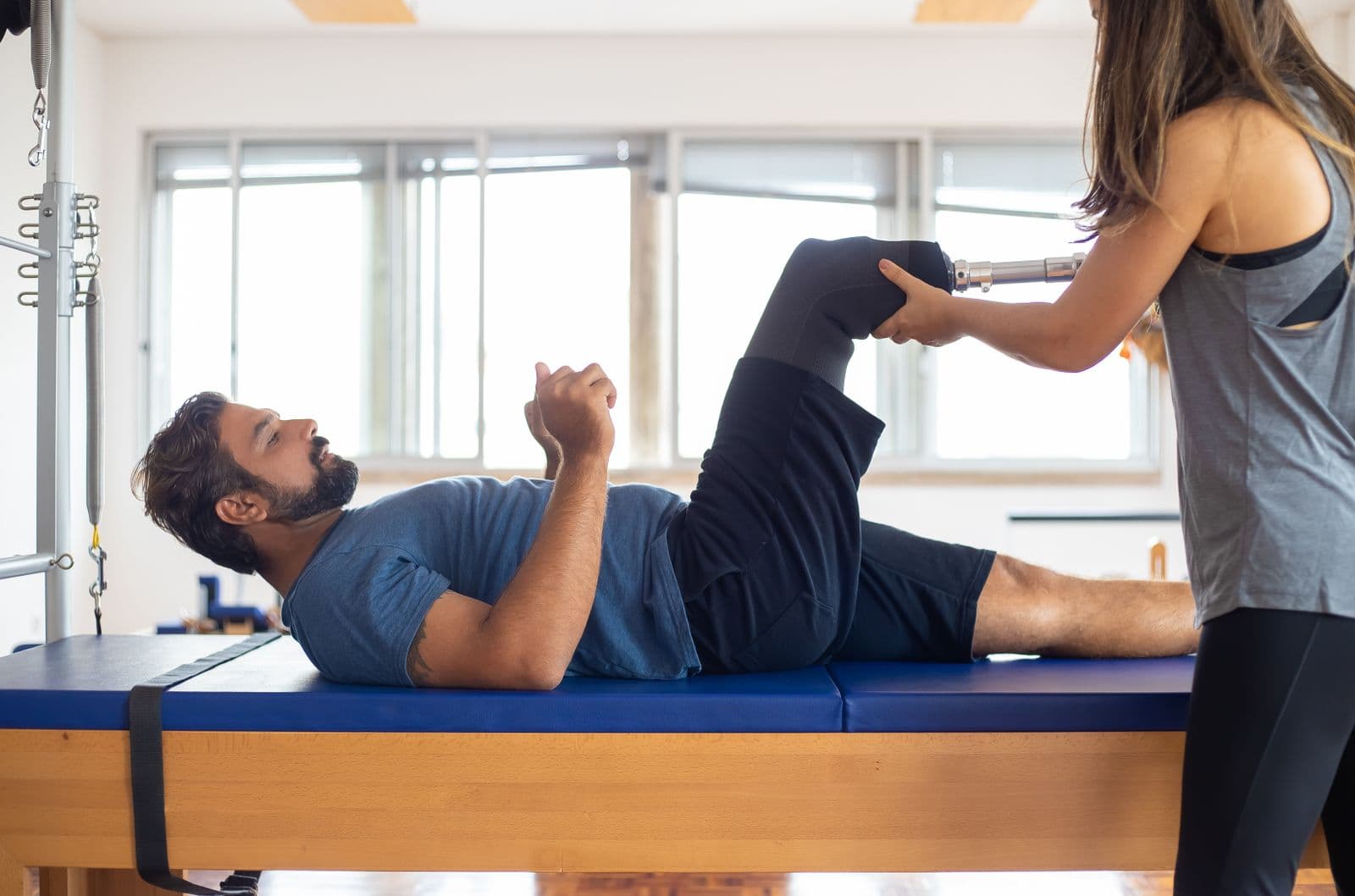
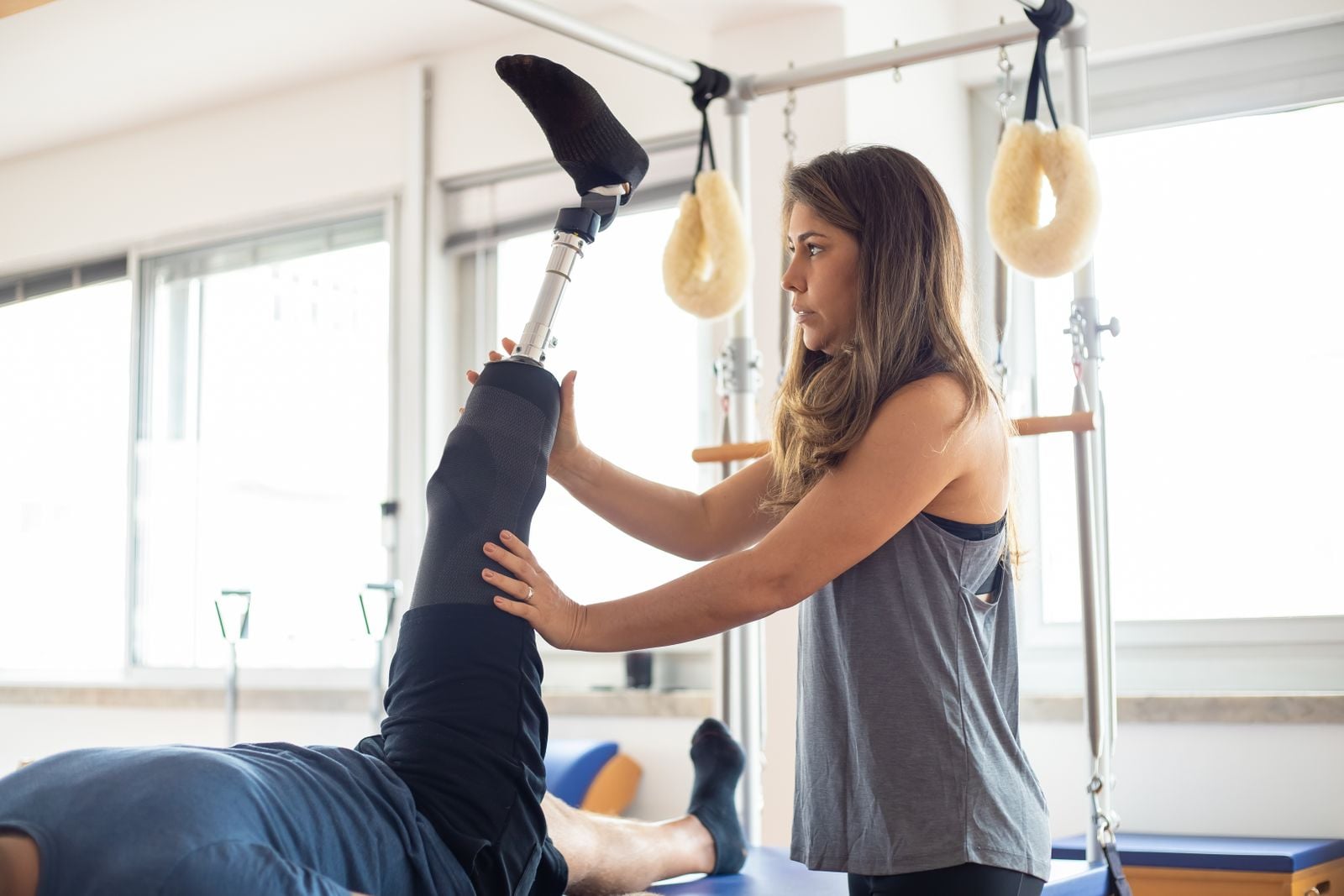
Post-surgical rehabilitation includes the therapies and exercises that help you heal after surgery. The goals are straightforward but demanding: manage pain without over-relying on medication, restore range of motion, rebuild strength, limit stiffness around the surgical area, and return to normal movement.
Rehabilitation typically involves physical therapy, occupational therapy, pain management, and gradual exercise progression, depending on the procedure. Knee replacements, spinal fusions, rotator cuff repairs, and hernia repairs each have their own recovery phases. Knowing where you are in that timeline is essential before adding any complementary care, including chiropractic care.
When Chiropractic Care May Help
Chiropractic care is not appropriate immediately after surgery, and it should never replace surgeon-directed rehabilitation. Once you're past the early healing phase and have medical clearance, though, it can address several common post-surgical challenges.
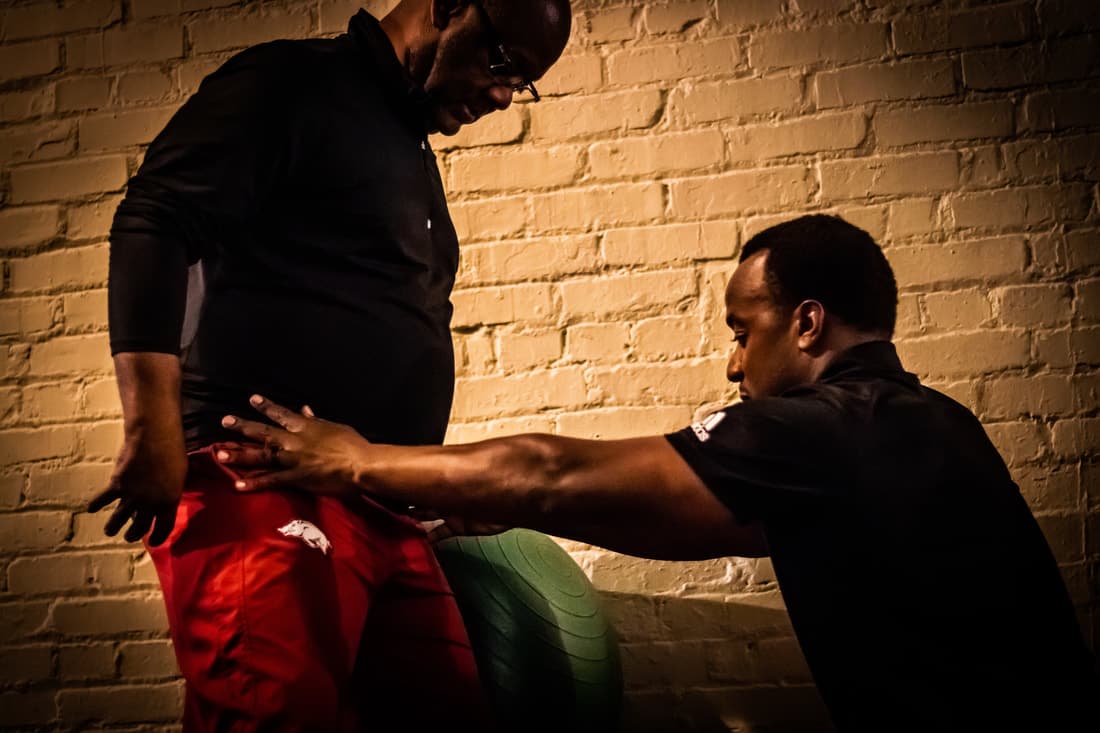
Many people develop compensatory movement patterns during recovery: favoring one side, changing how they walk, or holding tension in areas away from the surgery. These compensations can lead to secondary pain in the neck, shoulders, hips, or lower back. Chiropractic adjustments and soft tissue work can help rebalance the musculoskeletal system, reduce strain, and support more even movement as you rebuild strength.
Scar tissue and adhesions are another concern. Manual therapy cannot remove surgical scars, but gentle mobilization may improve tissue flexibility and range of motion around a healed surgical site. This can be relevant after abdominal, orthopedic, or spinal surgery, where movement restrictions sometimes persist long after the incision has healed.
Timing Matters: When to Consider Chiropractic Care
Timing is everything after surgery. In the early weeks, your body is focused on healing the surgical site. This is not the time for spinal adjustments, deep tissue work, or aggressive mobilization. Rest, your prescribed rehabilitation, and your surgeon's instructions come first.
Once you've moved past the early healing phase and your surgeon has cleared you for additional therapies, chiropractic care may be introduced cautiously. When that happens varies widely with the procedure and with how you heal.
Communicate openly with both your surgeon and your chiropractor. A responsible chiropractor will ask for details about your surgery, review your surgeon's guidelines, and tailor care to your restrictions. If a provider dismisses the need for medical clearance or promises a "faster" recovery, that's a red flag.
What the Evidence Says
Research on chiropractic care in post-surgical rehabilitation is limited. Studies of manual therapy more broadly suggest it may help with musculoskeletal pain and joint mobility when it is part of a coordinated rehabilitation plan rather than a stand-alone treatment.
The evidence also underscores the importance of individual care. What suits someone recovering from knee arthroscopy may not be appropriate for someone healing from a spinal fusion. Good clinical decisions depend on collaboration between providers and careful attention to each person's circumstances.
Practical Tips if You're Considering Chiropractic Care After Surgery
If you're exploring chiropractic care as part of your recovery, keep these guidelines in mind:
- Get medical clearance first. Never begin chiropractic treatment without your surgeon's approval. Bring your surgical notes, imaging reports, and recovery guidelines to your first visit.
- Choose a chiropractor experienced with rehabilitation. Look for a provider who works collaboratively with your medical team and understands surgical precautions.
- Start gently. Early sessions should focus on soft tissue work, light mobilization, and education, not forceful adjustments near the surgical site.
- Communicate openly. Report any new pain, swelling, or unusual symptoms right away. Your body is still healing, and feedback matters.
- Integrate, don't replace. Chiropractic care should add to your prescribed rehabilitation and medical follow-ups, not substitute for them.
- Be patient with your progress. Recovery is not linear. Some days will feel better than others, and that's normal. Steady, gradual improvement is the goal.
If you notice increasing redness, warmth, drainage, or swelling at the incision, a fever, or new calf pain and swelling after surgery, contact your surgeon promptly.
The Bottom Line: A Collaborative Approach to Recovery
Post-surgical rehabilitation works best when it's collaborative, patient-centered, and evidence-informed. Chiropractic care can be a valuable piece of the puzzle, but only when it's introduced at the right time, with the right precautions, and as part of a complete recovery plan.
If you're recovering from surgery and dealing with secondary pain, movement restrictions, or compensation patterns, it's worth asking your medical team whether chiropractic care might be appropriate for you. The best results come when everyone involved in your care is on the same page.
Post-Surgical Rehabilitation at KC Wellness and Physiotherapy
Dr. Kowin Casey received a certification in physiotherapy with an emphasis in sports rehabilitation, and rehabilitation is a core part of the practice. Once your surgeon has cleared you, care may include physiotherapy and rehabilitation with therapeutic exercise, soft tissue work such as Active Release Technique and myofascial release, kinesiology taping for support without restricting motion, and gentle chiropractic care for compensatory pain elsewhere in the body. Bring your surgical notes and your surgeon's restrictions to your first visit so care can be planned around them. Learn more on our post-surgical rehabilitation page.