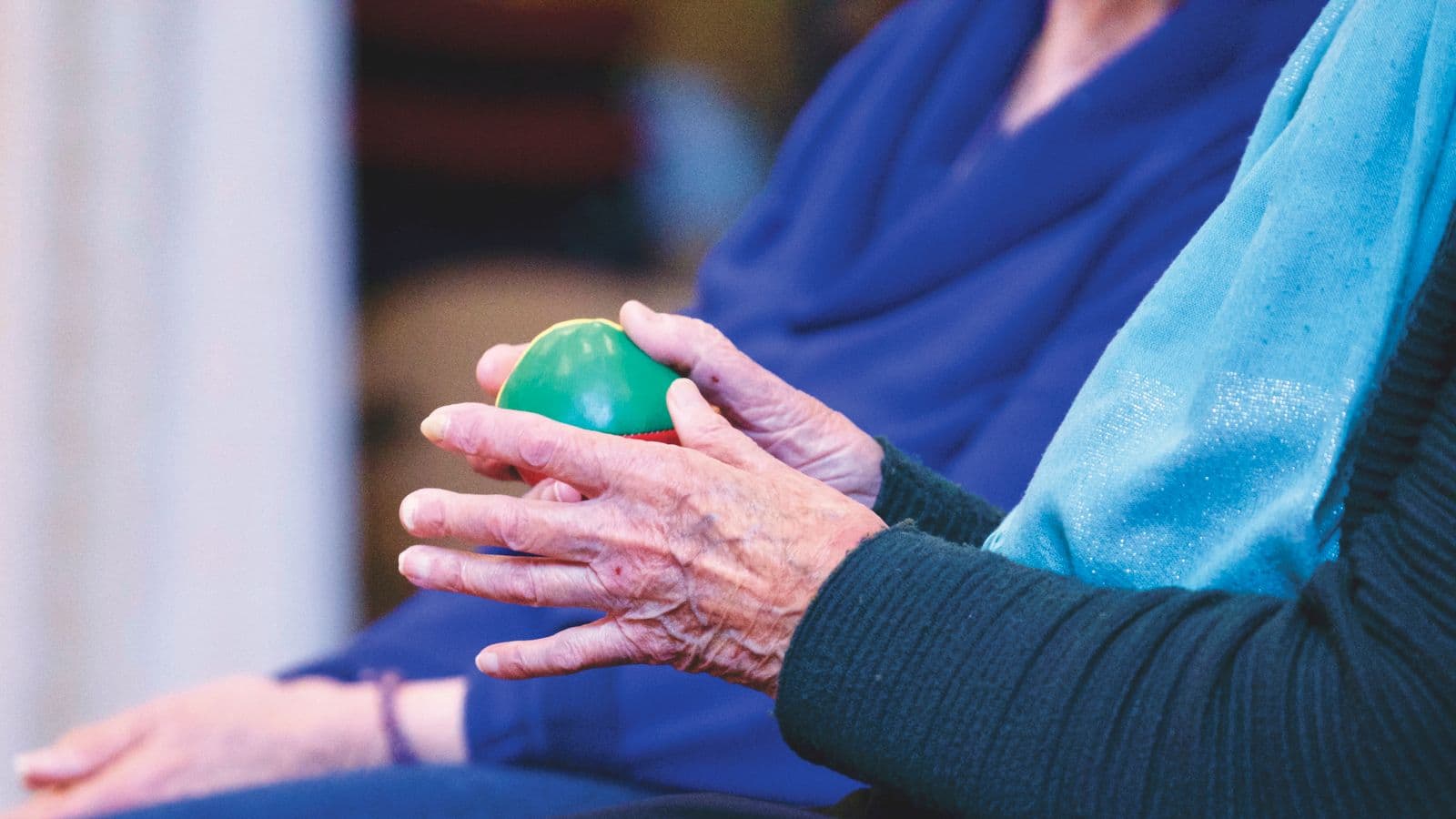
For many older adults, bending to tie a shoe, reaching a high shelf, or walking without discomfort gradually becomes harder. Losing mobility affects more than the body. It touches social life, confidence, and emotional well-being. Aging does not have to mean giving up independence or accepting pain as inevitable, and conservative care can be one part of staying active.
Chiropractic care, when adapted to the needs of older bodies and combined with exercise, offers a non-invasive, drug-free option for many of the aches and stiffness that come with age.
How Aging Affects the Spine and Joints
As we age, the body goes through natural changes. The discs between the vertebrae lose water and become thinner, so they cushion less. The small joints of the spine can develop arthritis, which leads to stiffness and reduced range of motion. Ligaments become less flexible, and muscles can weaken without regular use.
These changes affect one another. Stiffness leads to posture changes, balance can suffer, and everyday movements take more effort. Many people compensate for discomfort by changing how they walk or by avoiding activities, which can lead to further deconditioning and a higher risk of falls.
We cannot turn back the clock, but we can often improve how the body functions. Care focuses on joint mobility, muscle strength, and balance so that you can move more comfortably.
Potential Benefits for Older Adults
One appeal of conservative care is managing pain without adding more medication. As we age, the risk of drug interactions and side effects tends to rise, so non-drug approaches can be especially valuable. Chiropractic care is commonly used for back pain, neck pain, and stiffness related to arthritis.
Public health agencies identify falls as a leading cause of injury among older adults. Balance and strength exercises are among the best-supported ways to lower fall risk, and a physiotherapy and rehabilitation plan can build them in alongside hands-on care.
What to Expect: Care Adapted to You
Many older adults hesitate to try chiropractic care because they worry about forceful movements or cracking sounds. Care can be adapted. Adjustments can be modified to use lower force, and some people do best with gentle mobilization, soft tissue work, and exercise instead of adjustments at all.
A first visit includes a detailed health history, a discussion of your goals, and a physical examination of posture, range of motion, strength, and areas of tenderness or restriction. Be sure to mention osteoporosis, blood thinners, joint replacements, and any other health conditions, since these shape what kind of care is appropriate. When needed, x-rays or other imaging may be recommended through a referral.
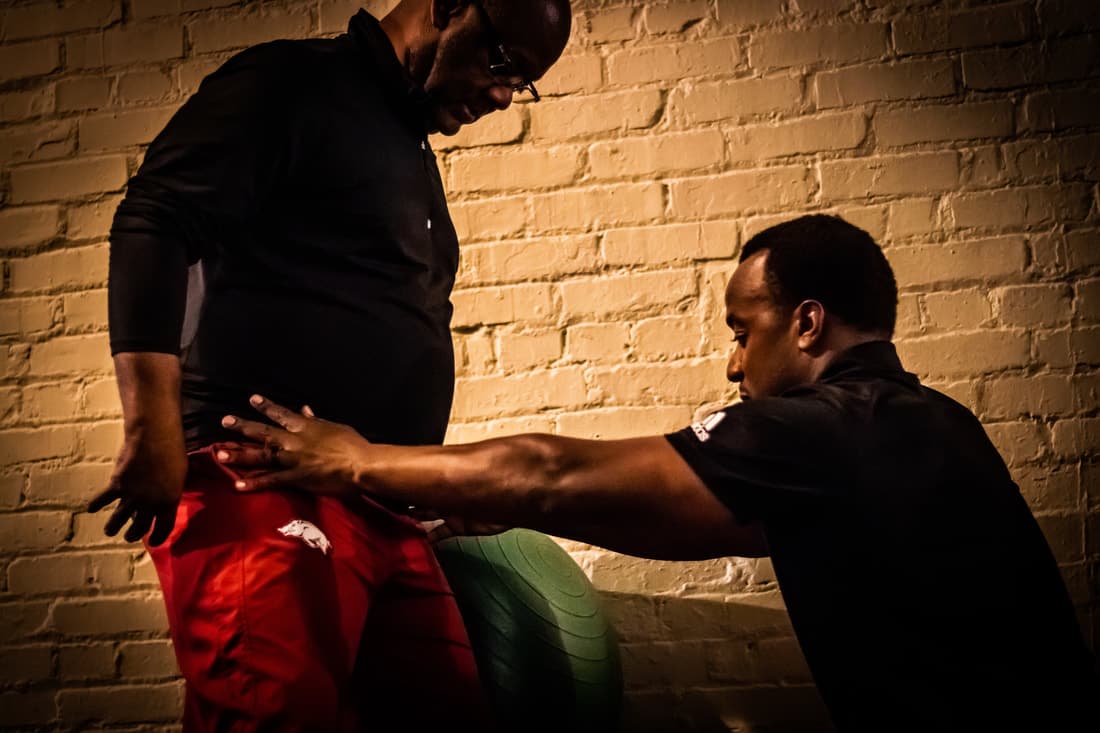
A plan may include gentle chiropractic care, soft tissue work for tight muscles, therapeutic exercise to build strength and flexibility, and balance training. How often you come in depends on your goals and condition, and the plan should be reviewed as you progress.
Common Concerns in Later Life
Osteoarthritis is very common and causes joint pain and stiffness that can limit daily activities. It cannot be reversed, but care aimed at joint mobility, strength, and practical strategies can help you manage symptoms. Read more about arthritis pain.
Spinal stenosis, a narrowing of the spaces around the spinal cord and nerves that often develops with age, can cause pain, numbness, and weakness, especially when standing or walking. Conservative options include exercise, posture strategies, and for some people non-surgical decompression and traction. See spinal stenosis.
Disc degeneration is a normal part of aging and often causes no symptoms. When it does contribute to pain, care focuses on movement, strength, and reducing aggravating strain.
Sciatica, headaches, and shoulder pain that have lingered for a long time can also be evaluated. The aim is to understand what is driving the symptoms rather than simply masking them.
Practical Tips for Staying Mobile at Home
Care works best when it is paired with healthy habits between visits:
- Stay active daily: walking, swimming, or chair exercises help maintain joint flexibility and muscle strength. Aim for some movement most days and build up gradually.
- Practice good posture: use supportive chairs, bring screens up to eye level, and avoid staying in one position for too long.
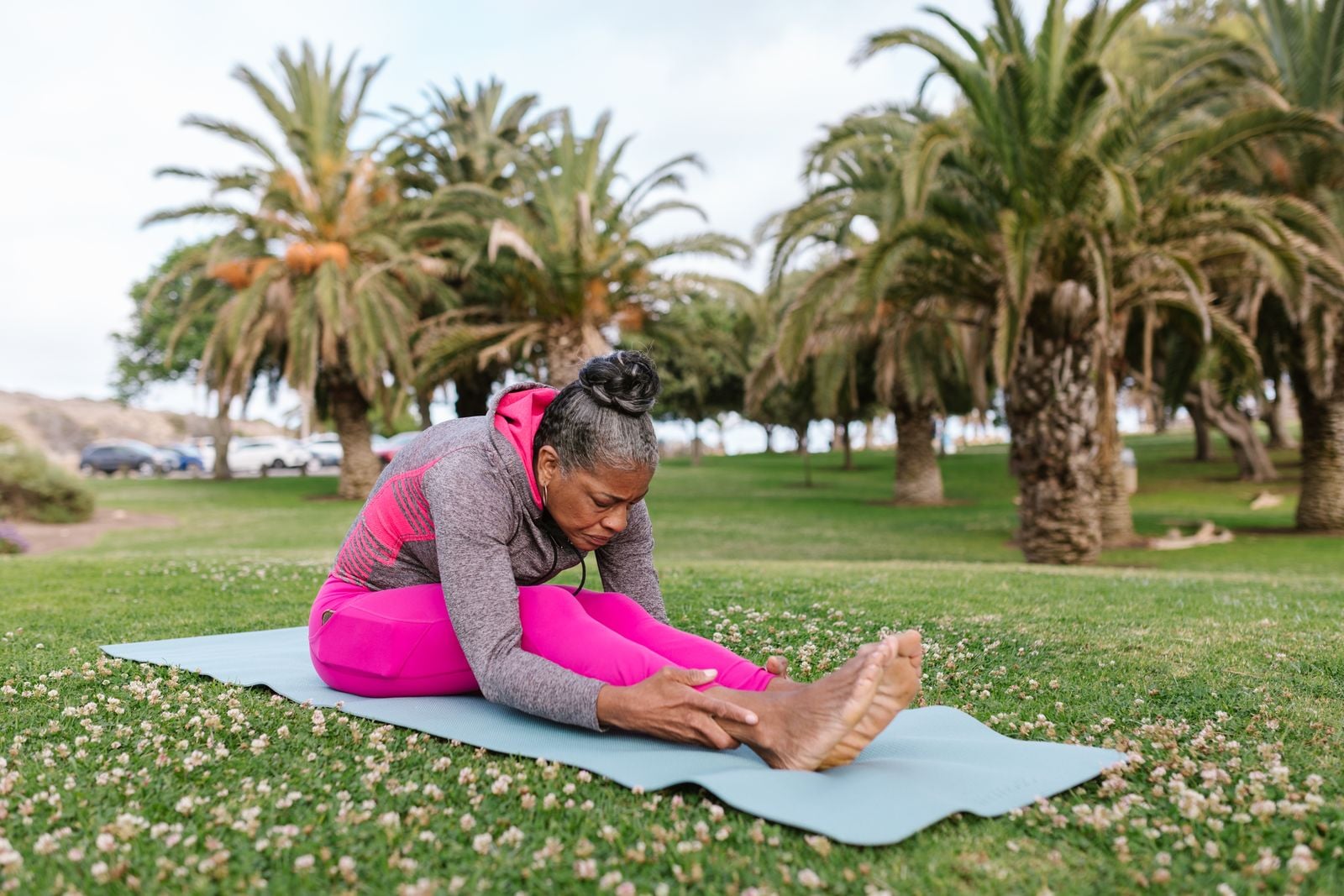
- Stretch regularly: gentle stretching for the neck, shoulders, back, and hips helps with stiffness.
- Eat and drink well: stay hydrated, and talk with your physician about protein, calcium, and vitamin D for bone and muscle health.
- Make your home safer: remove tripping hazards, improve lighting, install grab bars in bathrooms, and wear supportive footwear.
- Listen to your body: the mild effort of exercise is fine, but never push through sharp or worsening pain.
When to Seek Professional Care
Some aches and stiffness are normal with age, but certain symptoms deserve an evaluation: back or neck pain that interferes with daily activities, trouble with balance or near-falls, a steady loss of flexibility, frequent headaches, pain that travels down the arms or legs, or morning stiffness that limits your day.
Seek medical care promptly for new weakness, numbness with loss of bladder or bowel control, unexplained weight loss, or pain after a fall.
It is rarely too late to start. Even if you have lived with pain or limited mobility for years, building strength and movement can still make a meaningful difference in how you feel day to day.
Care at KC Wellness and Physiotherapy
Dr. Kowin Casey, DC, combines chiropractic care with physiotherapy and rehabilitation at our office on Grand Blvd. in Kansas City. The practice's philosophy is to meet people where they are, at their phase of health, and to work in partnership with each patient.
Dr. Casey also participates as a community provider for veterans. If you are a veteran with questions, or you are helping a parent or loved one get started, call our office at (913) 424-2410.