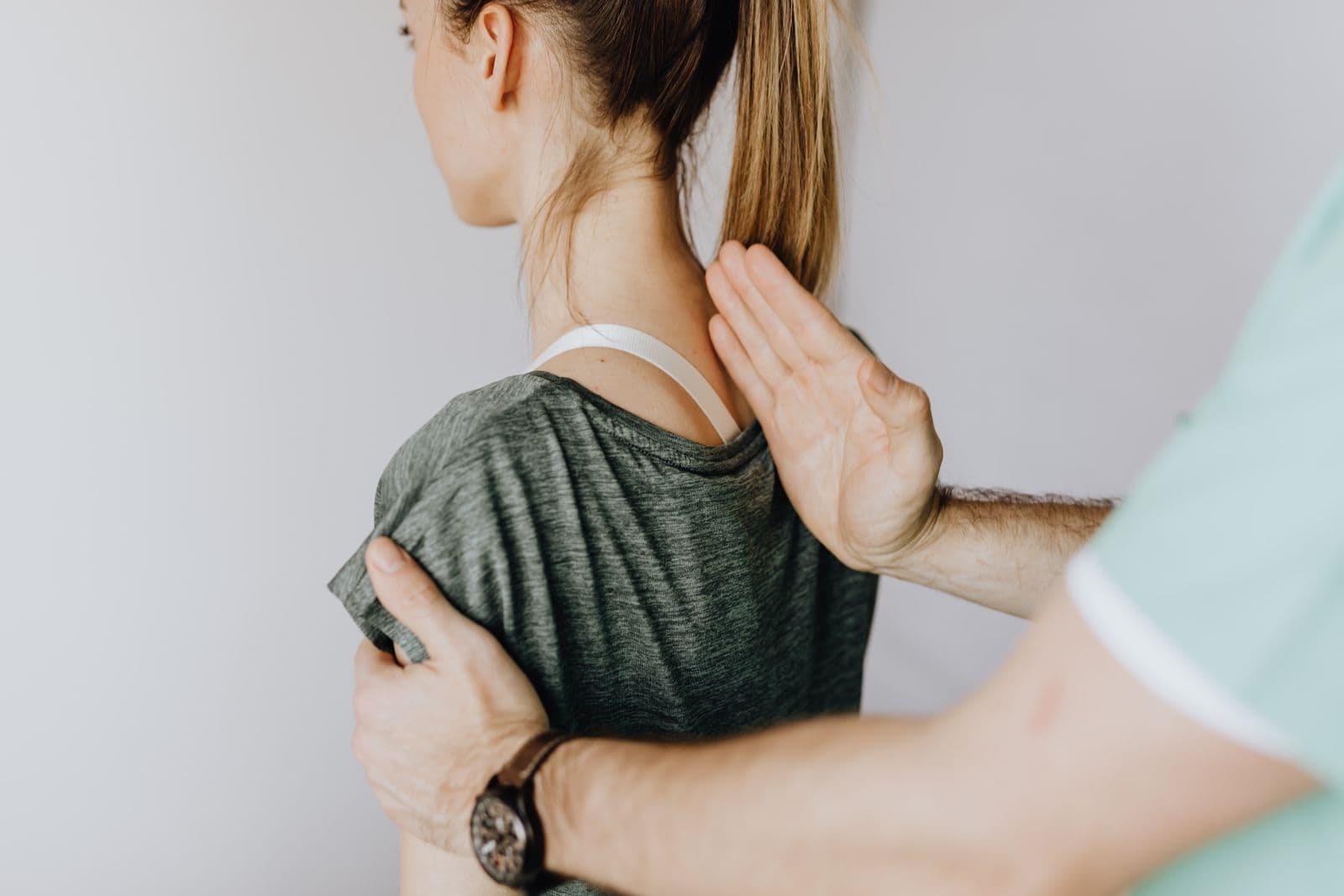
The relief you feel when long-standing pain finally eases is profound. You can move more freely, sleep more comfortably, and return to activities you enjoy. That moment often comes with an unspoken question: how do I keep the pain from coming back?
The transition from active treatment to independent wellness is an important phase of your healing journey. Without a plan, the habits and stressors that contributed to your original pain can slowly creep back in. A routine that lasts is not about perfection or rigidity. It is about realistic, meaningful practices that support your body over the long term.
“We believe that wellness is a continuum. It is not static, but ever changing. We are either moving toward disease or toward wellness each moment we make a choice of what to drink or eat, how we think, how we interact with others, and how we move.”
From the KC Wellness and Physiotherapy philosophy
Understanding the Maintenance Phase
Once acute pain settles, it is easy to assume your body has reset to where it was before the injury. In reality, the body often adapts to pain with protective guarding and altered movement habits, and some of those patterns can linger after the pain itself fades. Without attention, they can leave you more vulnerable to the same problem or a new one.
The maintenance phase is not about continuing intensive treatment indefinitely. It is about turning the work you did in treatment into habits that become second nature. Three pillars help: movement, self-awareness, and your daily environment.
The practice's philosophy describes this stage well. In the Transform phase of health, daily choices such as proper nutrition, movement and exercise, and positive thinking are introduced into everyday life. The goal is the Wellness phase: proactively making wellness choices each day.
Movement: The Foundation of Long-Term Wellness
Regular movement is one of the most useful things you can do for your musculoskeletal health, but a sustainable routine looks different for everyone. The exercises that helped you recover may evolve as you regain strength and stability. The goal is to progress from corrective exercises to activities that support the way you actually live.
Consider including a variety of movement types across your week:
- Mobility work to maintain joint range of motion and ease stiffness. Even a few minutes a day can help.
- Strength training to support good alignment and protect vulnerable areas. Focus on quality over quantity.
- Aerobic activity to support circulation and overall cardiovascular health.
- Restorative activity such as walking, swimming, or gentle yoga.
Staying physically active is widely recommended for people recovering from back and neck pain. Consistency matters more than intensity. A moderate routine you can keep up for years will serve you better than an aggressive plan you abandon after a few weeks. For a closer look at one piece of this, read the importance of core strength for spinal health.
Developing Body Awareness
One of the most valuable skills you can build after recovery is body awareness: noticing subtle signals before they escalate into pain. This is not about anxiety or constant monitoring. It is about tuning in to what your body is telling you.
Early warning signs can include more stiffness in the morning, fatigue that does not improve with rest, changes in sleep quality, or minor discomfort that lingers longer than usual. These signals can give you a window to adjust before a flare-up.
A simple weekly self-check helps. Can you move through your usual range of motion without restriction? Are you holding tension in familiar places? Has your posture drifted? Many people fold this into a morning routine or an evening wind-down.
Your Environment and Daily Habits
Your surroundings play a real role in how your body feels. Workspace setup, sleep, nutrition, and stress all influence whether your body thrives or struggles in the months after pain resolves.
If you spend long hours at a desk, review your setup: monitor height, chair support, and keyboard position can reduce cumulative strain. Our article on desk ergonomics walks through the basics. Your sleep setup matters too, including pillow support and a mattress that suits you.
Nutrition and hydration support tissue health. No single food prevents pain, but a diet built on whole foods, healthy fats, and adequate protein gives your body what it needs for ongoing repair. Dr. Casey has a background in nutrition and offers personalized nutrition and wellness coaching.
Stress deserves attention as well. Ongoing stress can increase muscle tension and disrupt sleep, both of which can make pain feel worse. Deep breathing, time outdoors, creative hobbies, and other ways of unwinding are genuine parts of physical wellness, not luxuries. Some people also enjoy relaxation-oriented recovery therapies such as sauna and hydrotherapy as part of their routine.
Knowing When to Seek Support
Even with a good routine, life happens. Stressful stretches, travel, illness, or an unexpected injury can disrupt your habits. That does not mean you have failed. It means you are human.
The difference between a minor setback and a bigger relapse often comes down to how quickly you respond. If you notice persistent discomfort, new limitations, or symptoms that do not ease with your usual self-care, reach out for professional guidance. Addressing a problem early is usually simpler than waiting until pain becomes severe.
Some people choose periodic check-in visits after their symptoms resolve. Whether that makes sense for you is a conversation to have with your provider.
Building a Routine That Fits Your Life
The most sustainable routine fits into the life you already have. It does not require perfect conditions or endless time. It adapts when you are busy, travels with you, and flexes when unexpected demands come up.
Start with one or two practices that feel manageable right now, perhaps a short morning mobility routine and a weekly strength session. As those become habits, layer in more. Small, consistent actions add up over time.
Wellness is not a destination. It is an ongoing practice of listening to your body, making adjustments, and honoring what you need. Some weeks will be easier than others, and the overall direction matters more than any single day.
Key Takeaways
- Progress from corrective exercises to movement that supports your lifestyle
- Build body awareness so you notice early warning signs
- Pay attention to your workspace, sleep, nutrition, and stress
- Start small and build gradually, since consistency beats intensity
- Seek professional support early when symptoms change or persist
If you are moving from active treatment to independent wellness and would like help putting together a personalized plan, Dr. Casey can work with you on physiotherapy and rehabilitation, exercise progressions, and nutrition at our office in Kansas City, MO.