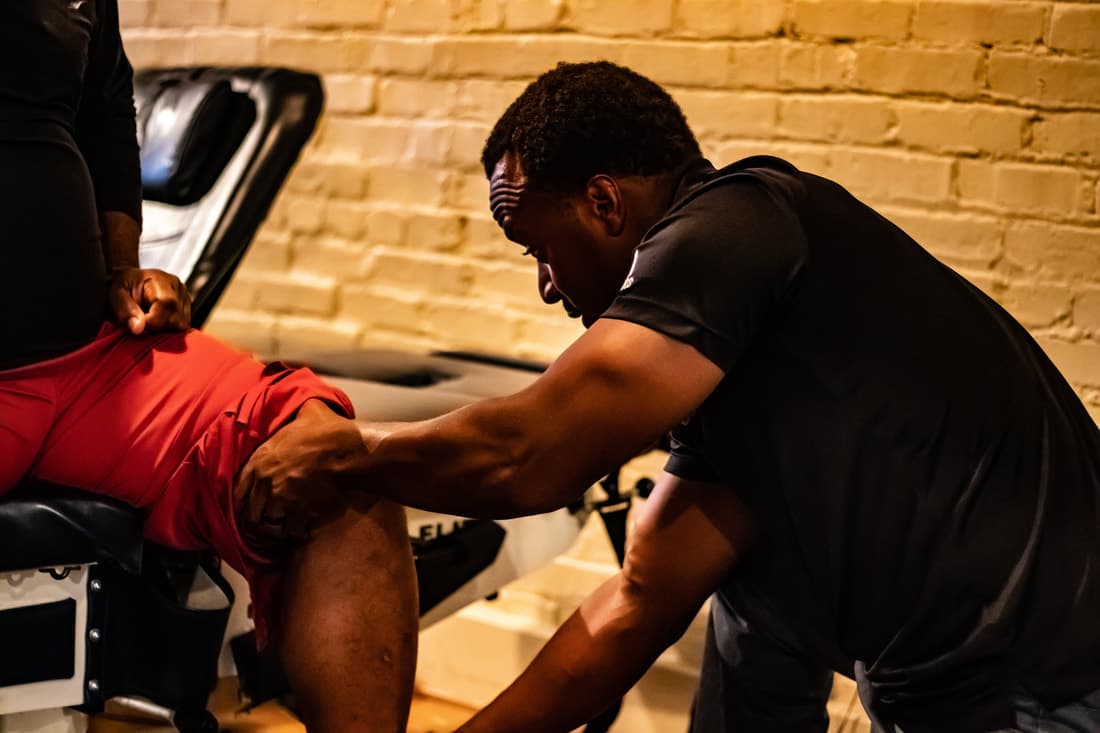
Living with persistent pain or stiffness can wear down your quality of life. Many people in Kansas City put up with daily aches and limited movement, unsure whether their symptoms warrant professional attention. It is natural to hope minor discomfort will settle on its own, and often it does. Some warning signs, though, suggest it is time for an evaluation.
If you are noticing any of the five signs below, it may be worth scheduling a visit with a chiropractor who can assess what is going on and whether conservative care is a good fit for you.
1. Persistent or Recurring Back Pain
Back pain is one of the most common reasons people seek chiropractic care. Whether your discomfort stems from posture, long hours of sitting, lifting, or an old injury, back pain that lingers or keeps coming back should not simply be ignored.
Ordinary muscle soreness usually improves with rest over a few days. Pain that persists or returns again and again can point to joint, muscle, or disc problems that benefit from a hands-on assessment. An evaluation looks at how your spine and the surrounding muscles are moving, and at whether you should start with conservative care or see another type of provider first.
Clinical practice guidelines for low back pain include spinal manipulation among the non-drug options worth considering, usually alongside staying active and doing appropriate exercise. Read more about lower back pain.
2. Frequent Headaches
If you find yourself reaching for pain relievers often to get through the week, it is worth asking why. Many tension-type headaches are associated with tightness in the muscles of the neck and upper back, and poor posture from long computer sessions or looking down at a phone can add to that strain.
A chiropractic evaluation looks at neck motion, posture, and muscle tension. Care may include adjustments, soft tissue work, and posture and exercise guidance. Research on chiropractic care for headaches is still developing, and results vary from person to person. Signs that a headache may have a neck or muscle component include:
- Headaches that worsen with neck movement
- Tension that begins in the neck or shoulders and spreads upward
- Pain that shows up after long periods at a desk or computer
A sudden, severe headache, or a headache with fever, confusion, weakness, or vision changes, needs urgent medical care. Headaches that do not respond to medication, or that change in pattern, also deserve a medical evaluation. For more, see headaches and migraines.
3. Limited Range of Motion or Stiffness
Have you noticed that you cannot turn your head as far as you used to? Does bending down to tie your shoes feel harder than it should? Stiffness and reduced range of motion are signals that your musculoskeletal system needs attention.
These restrictions often develop gradually, which makes them easy to dismiss as just getting older. Age alone does not have to mean reduced mobility. Joint restrictions and muscle imbalances often respond to conservative care that combines hands-on treatment with stretching and strengthening.
Whether you are an athlete who wants to keep performing or you simply want to keep gardening, playing with grandchildren, or hiking on weekends, protecting your range of motion supports your long-term quality of life.
4. Sharp Pain or Tingling in Your Arms or Legs
Sharp, shooting pain, numbness, or tingling that travels down an arm or leg should not be ignored. These symptoms often involve an irritated or compressed nerve, which can be related to a herniated disc, sciatica, or spinal stenosis.
Nerve-related symptoms can show up far from the source of the problem. Irritation in the lower back can cause symptoms down the leg, while problems in the neck can cause symptoms in the shoulder, arm, and hand. A careful exam helps identify where the irritation is likely coming from.
Depending on the findings, conservative options may include chiropractic adjustments, non-surgical spinal decompression and traction, and rehabilitation exercises. Progressive weakness, or numbness together with loss of bladder or bowel control, needs emergency medical care right away.
5. A Recent Injury or Accident
Even if you do not have severe pain right after a car accident, sports injury, or fall, it can be wise to get evaluated. Soft tissue injuries such as whiplash often do not produce noticeable symptoms until hours or days after the event.
Adrenaline can mask pain in the moment, which leads many people to believe they escaped unharmed. The force of an impact can strain muscles and ligaments, and soreness and stiffness can build over the following days.
An early evaluation can document your symptoms and guide a rehabilitation plan. If you have severe pain, a head injury, or numbness after an accident, get emergency care first.
Common Events That Warrant an Evaluation
- Motor vehicle accidents, even minor fender-benders
- Sports injuries, including contact and overuse injuries
- Slip and fall accidents
- Workplace injuries, including repetitive strain
- Lifting injuries from awkward technique or heavy loads
Dr. Casey offers auto and work injury care and sports injury care for these situations.
Taking the Next Step
Recognizing these warning signs is an important first step. Many people postpone care hoping symptoms will fade, and sometimes waiting allows a problem to become harder to manage.
At KC Wellness and Physiotherapy, Dr. Kowin Casey, DC, a chiropractic physician, combines chiropractic and spinal corrective care with physiotherapy and rehabilitation. The practice's philosophy is to meet people where they are, at their phase of health, and to look for the underlying causes of a problem rather than only the symptom.
New patients can download the intake forms ahead of the first visit, or call our office at (913) 424-2410 with any questions.