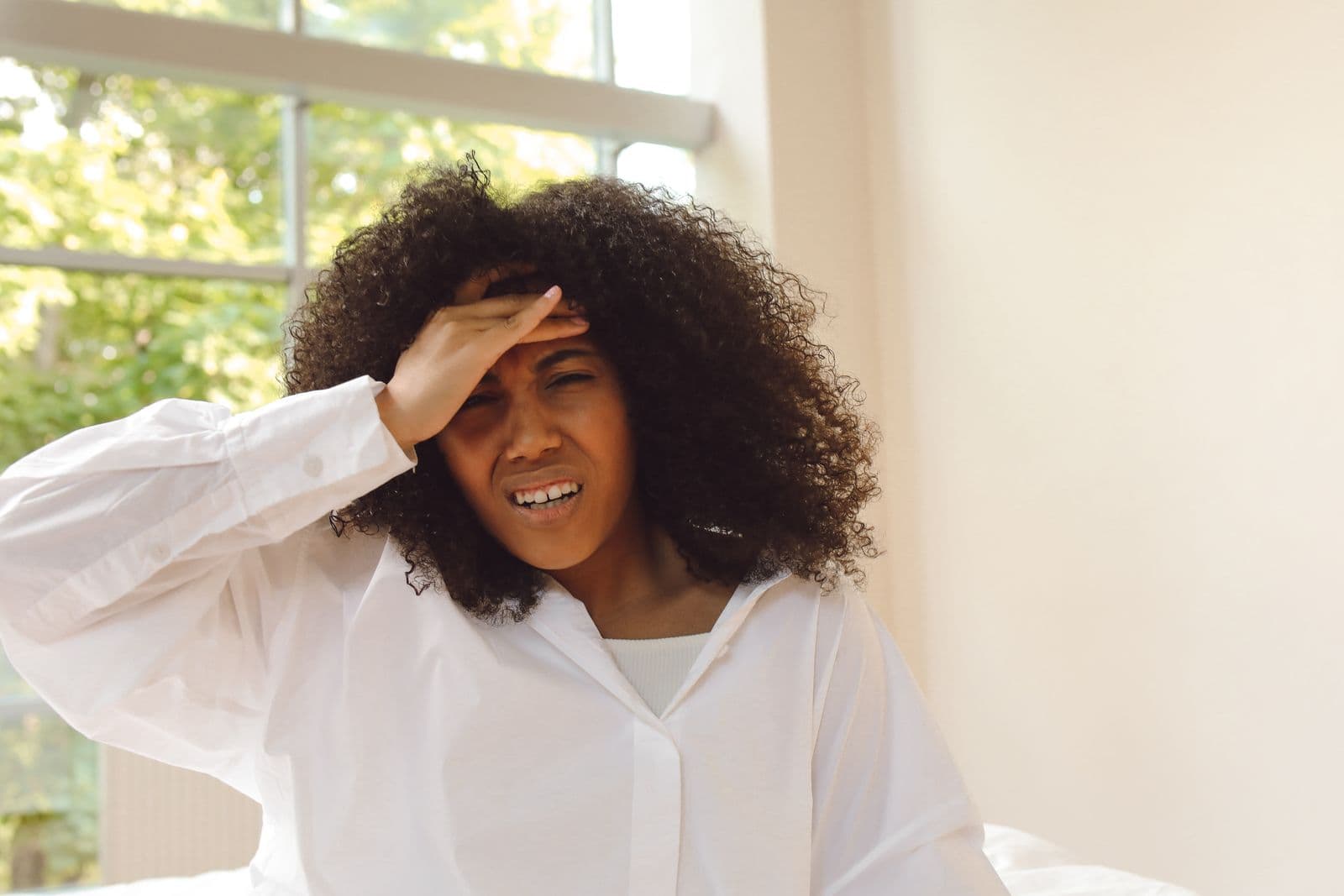
If you have lived with ongoing pain, you know it affects more than your body. The constant ache, the restless nights, and the canceled plans can seep into every part of life, including your mental and emotional well-being. That link is not a coincidence. It reflects how the nervous system, brain chemistry, and stress responses work together.
Recognizing that pain and mental health influence each other allows a more compassionate, whole-person approach to care, one that looks beyond the symptom to the person experiencing it.
The Science Behind the Connection
Pain is processed in the brain, not only at the site of an injury. Nerve signals travel from the affected area through the spinal cord to the brain, where they are interpreted. Some of the brain regions involved in processing pain, such as the anterior cingulate cortex and the insula, are also involved in emotion and mood.
Brain imaging research suggests that long-standing pain is associated with changes in areas involved in emotion, attention, and decision-making. Chronic pain also involves chemical messengers such as serotonin and norepinephrine, which help regulate mood. This overlap is one reason certain medications are used for both pain and mood conditions.
It also helps explain why chronic pain, anxiety, and depression so often occur together. That is not a character flaw or a sign of weakness. It is biology.
How Chronic Pain Affects Mental Health
Low Mood and Depression
When pain becomes a constant companion, it is natural to feel discouraged. Activities you once enjoyed may become difficult. Social connections may weaken and sleep may suffer. Over time, these losses can lead to sadness, hopelessness, and loss of interest, which can be signs of depression. People living with chronic pain are at higher risk of depression than people without pain.
Anxiety and Fear of Movement
Chronic pain brings uncertainty: Will it get worse? Will I be able to work tomorrow? That worry can grow into ongoing anxiety. Many people also develop a fear of movement, sometimes called kinesiophobia, which can lead to less activity, deconditioning, and, in turn, more pain.
Social Isolation
Pain can make it hard to keep up with relationships and social plans. You may cancel often, withdraw from loved ones, or feel that others do not understand. Isolation can deepen loneliness and make both pain and low mood harder to manage.
Sleep Disruption
Pain and sleep affect each other. Pain interferes with sleep, and poor sleep can make you more sensitive to pain. That cycle affects mood, concentration, and overall quality of life.
How Mental Health Affects Pain
The relationship runs both ways. Stress, anxiety, and low mood can make the nervous system more sensitive, so pain signals feel stronger. In some people with long-standing pain this heightened sensitivity is described as central sensitization.
Stress also tends to increase muscle tension, which can add to pain. Anxiety can pull your attention toward pain sensations, making them feel more prominent. Low mood can sap the motivation to keep up with exercise, rehabilitation, and social activities that might help. Read more about how stress manifests as physical pain.
The encouraging side of this two-way relationship is that support for mental health can help with pain, and reducing pain can help with mood.
Breaking the Cycle: A Whole-Person Approach
Because pain and mental health are so closely linked, care that addresses both tends to work best. Helpful strategies include:
- Physiotherapy and rehabilitation: therapeutic exercise, hands-on care, and movement education may help ease pain and improve function (see physiotherapy and rehabilitation)
- Counseling: approaches such as cognitive behavioral therapy, provided by a licensed mental health professional, can help change thought patterns that amplify pain and distress
- Relaxation practices: slow breathing, meditation, and progressive muscle relaxation can help calm the nervous system
- Graded activity: gradually increasing activity in a structured way can rebuild confidence and reduce fear of movement
- Connection: staying in touch with others and joining support groups can reduce isolation
- Sleep, nutrition, and stress habits: steady routines support recovery (see personalized nutrition and wellness coaching)
Practical Steps You Can Take Today
- Acknowledge the connection: emotional struggles are an understandable response to living with pain, not a personal failing
- Keep a pain and mood journal: tracking patterns helps you and the professionals caring for you see what triggers flare-ups and what helps
- Stay as active as you safely can: even gentle walking or stretching can help both body and mind
- Practice self-compassion: healing is not linear, and a hard day does not erase your progress
- Ask for support early: do not wait until things feel unbearable
When to Seek Help
Occasional frustration or sadness about pain is normal. Reach out to your primary care provider or a mental health professional if you notice:
- Persistent sadness, hopelessness, or loss of interest in activities you used to enjoy
- Significant changes in sleep, appetite, or energy
- Difficulty concentrating or making decisions
- Increasing isolation or withdrawal from loved ones
- Pain that is worsening or not responding to your current care
If you are having thoughts of harming yourself
Please get help now. In the United States, call or text 988 to reach the Suicide and Crisis Lifeline, or call 911 in an emergency.
Caring for the Whole Person
At KC Wellness and Physiotherapy, we listen carefully to understand what challenges block clients from healing.
Dr. Kowin Casey, DC, provides chiropractic and spinal corrective care, physiotherapy and rehabilitation, and nutrition and wellness coaching. Dr. Casey's care focuses on the physical side of pain. For low mood, anxiety, or depression, please talk with your primary care provider or a licensed mental health professional.
The practice believes that wellness is a continuum, and that no matter where someone lies on the continuum of health, anyone can achieve their personal level of wellness. If pain is affecting your life, call our office at (913) 424-2410 with any questions.