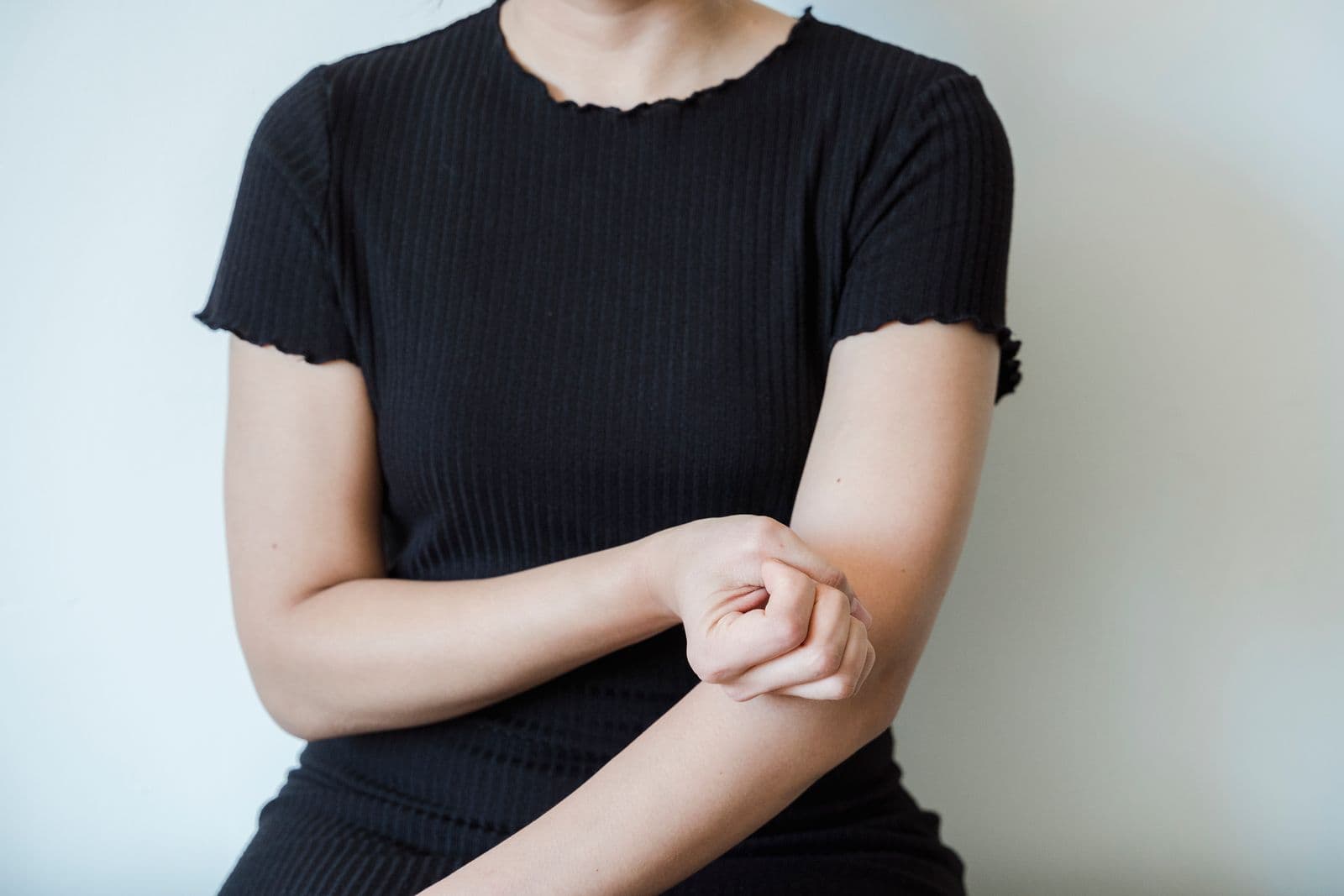
You reach for your coffee cup, turn a doorknob, or shake someone's hand, and a sharp pain shoots through your elbow. If that sounds familiar, you are not alone. Lateral epicondylitis (tennis elbow) and medial epicondylitis (golfer's elbow) are common, and despite their names, you do not need to be an athlete to develop them. Understanding their causes and treatment can help you find relief and prevent future flare-ups.
Understanding Tennis Elbow and Golfer's Elbow
Both conditions are forms of tendinopathy, meaning overload and irritation of the tendons that connect the forearm muscles to the elbow. The key difference is location. Tennis elbow affects the outside of the elbow, where the tendons that extend the wrist and fingers attach. Golfer's elbow affects the inside of the elbow, where the tendons that flex the wrist and help you grip attach.
Despite the name, most people with tennis elbow do not play tennis. These problems more often come from repetitive work and daily tasks, such as typing, painting, carpentry, plumbing, or any job that involves repeated gripping, twisting, or lifting. Pain usually builds gradually as the tendon is loaded more than it can adapt to.
Both conditions are most common in middle-aged adults, though anyone who performs repetitive arm motions can be affected. Pain ranges from mild discomfort to pain that makes it hard to open jars, shake hands, or carry objects. Read more about tennis elbow.
Recognizing the Symptoms
Tennis elbow usually causes pain and tenderness on the outside of the elbow that may spread down the forearm. It often worsens with gripping, lifting with the palm facing down, extending the wrist, or twisting motions like turning a doorknob. Grip may feel weaker.
Golfer's elbow causes similar symptoms on the inside of the elbow, sometimes spreading along the inner forearm. It may worsen with bending the wrist, gripping, or swinging a club or racquet. Tingling or numbness into the ring and little fingers can signal irritation of the ulnar nerve, which runs near the inner elbow, and should be evaluated.
Conservative Treatment Approaches
Many cases of tennis elbow and golfer's elbow improve with conservative care, and a combination of strategies tends to work better than any single one.
Activity modification. The first step is identifying and temporarily changing the activities that aggravate your symptoms. This does not mean immobilizing the arm, which can slow recovery. Keep using your arm for tasks that are not significantly painful, and ease off repetitive or forceful movements that make it worse.
Therapeutic exercise. Progressive loading exercises, including slow eccentric and isometric strengthening, are a standard part of tendinopathy rehabilitation. The aim is to gradually build the tendon's capacity to handle load. An individualized program helps you progress at the right pace.
Hands-on care. Soft tissue work, joint mobilization, and active release technique and myofascial release may help ease pain and improve motion. Because the neck, shoulder, and wrist all influence how the elbow is loaded, an evaluation should look at the whole arm, and chiropractic care for the neck and upper back may be part of the plan.
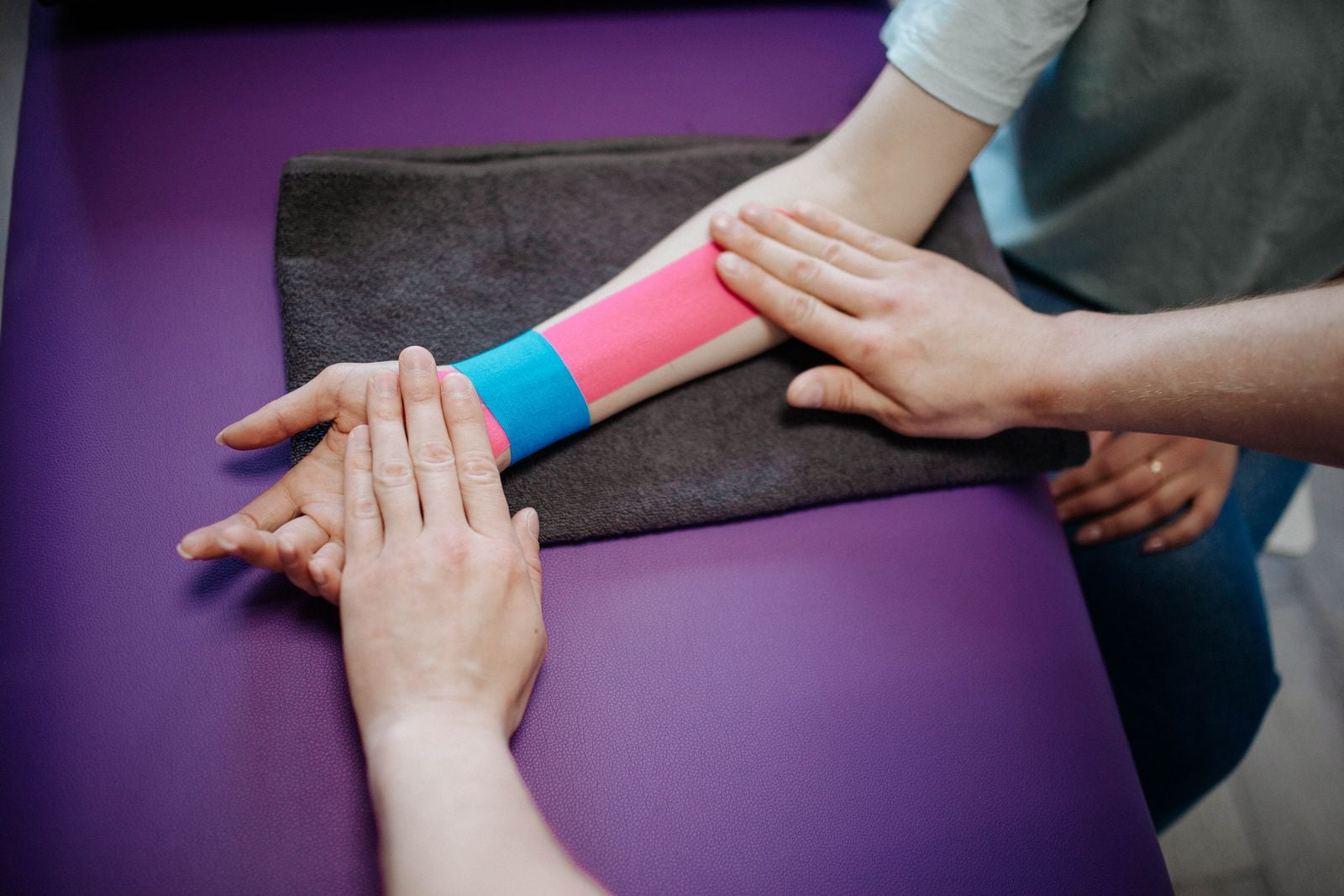
Supportive therapies. Depending on your evaluation, options may include dry needling, which may provide relief for some muscular pain and stiffness, kinesio taping, and laser therapy aimed at pain reduction.
Bracing. A counterforce strap worn just below the elbow can reduce strain on the tendons during daily activities. It does not cure the condition, but it can make necessary tasks more comfortable while you heal.
Prevention Strategies
Preventing elbow tendinopathy, or preventing it from coming back, depends on strength, technique, and how you pace repetitive work:
- Strengthen your forearms: regular exercise for the wrist flexors and extensors builds the tendons' capacity to handle load
- Use good technique: in sports, at the keyboard, or with tools, efficient form reduces unnecessary strain
- Warm up: gentle movement before activity prepares muscles and tendons for work
- Take regular breaks: short pauses during repetitive tasks let tissues recover
- Set up your workspace: desk height, keyboard, and mouse position all affect forearm strain (see desk ergonomics)
- Choose appropriate equipment: racquets, clubs, and tools with a suitable grip size and weight can reduce elbow stress
When to Seek Professional Help
Many mild cases settle with self-care. Consider an evaluation if elbow pain lingers for more than a few weeks despite rest and home care, interferes with work or daily activities, causes weakness, or comes with numbness or tingling. Swelling, redness, warmth, or fever, or pain after a fall or a significant injury, should be checked promptly by a medical provider.
An evaluation can identify the tissues involved, rule out conditions that mimic elbow tendinopathy, such as nerve irritation or referred pain from the neck, and guide a plan suited to your situation.
The Path to Recovery
Recovery from tennis elbow or golfer's elbow takes patience. Improvement often comes over weeks to months, and some cases take longer. Consistency with your exercise program and a gradual return to full activity are what matter most.
Healing is not always linear. Good days and setbacks are normal, and what counts is the overall trend. Regular check-ins allow your plan to be adjusted as you improve.
At KC Wellness and Physiotherapy, Dr. Kowin Casey, DC, provides physiotherapy and rehabilitation and soft tissue care for overuse injuries of the arm. If elbow pain is getting in the way of work or sport, call our office at (913) 424-2410 with any questions.