Whether it's a dull ache that worsens after a long day on your feet or a sharp pain that makes climbing stairs difficult, hip discomfort can affect nearly everything you do. The hip joint carries a great deal of load during simple activities like walking, sitting, and standing, which makes it vulnerable to a range of problems. Understanding what may be causing your hip pain, and knowing that conservative, non-surgical care is often a reasonable first step, can help you start moving comfortably again.
Understanding the Hip Joint
The hip is one of the body's largest ball-and-socket joints, designed for both stability and mobility. The rounded head of the femur (thighbone) fits into the acetabulum, a cup-shaped socket in the pelvis. This joint is surrounded by strong ligaments, cushioned by cartilage, and supported by powerful muscles and tendons that let you walk, run, squat, and move in many directions.
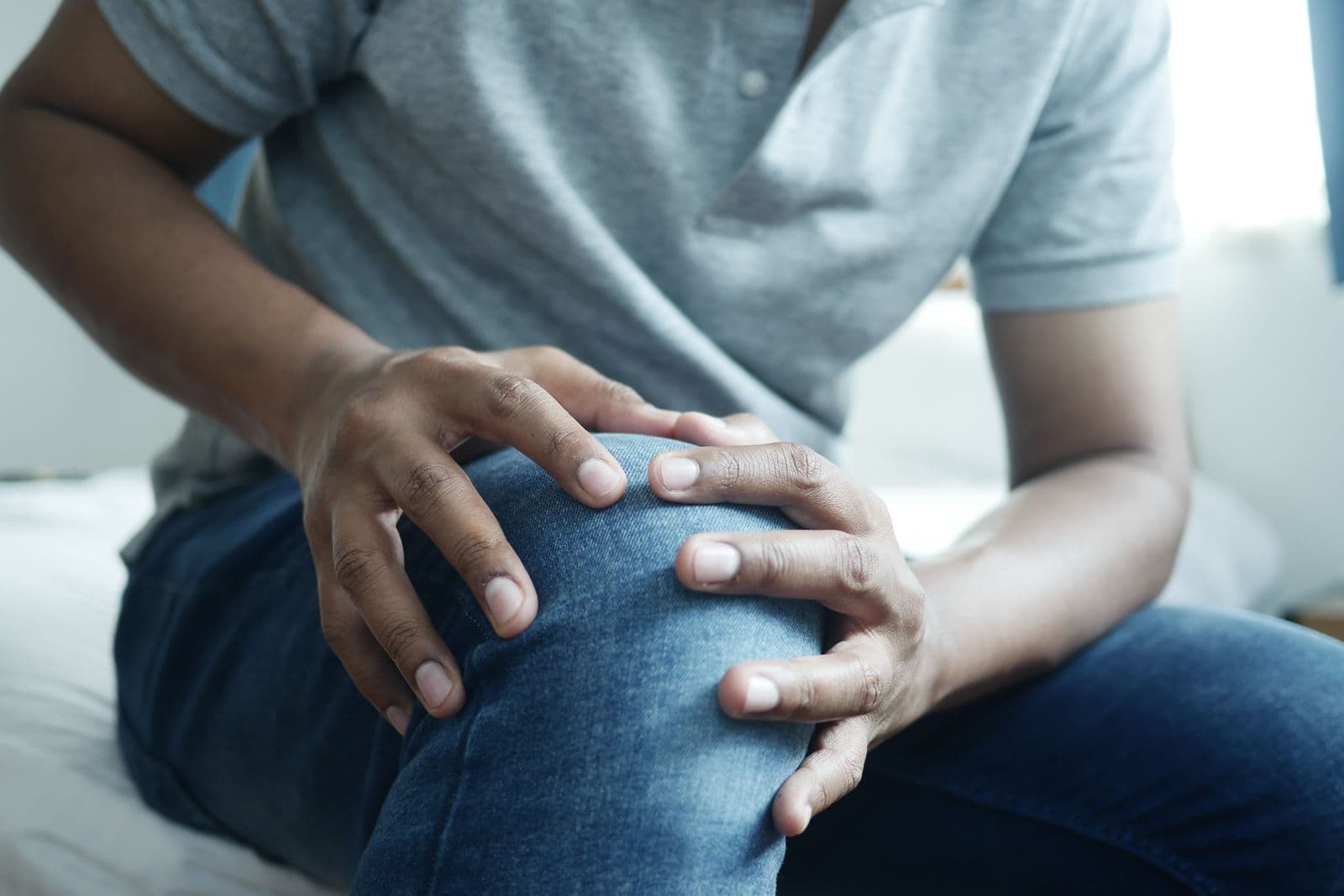
When any part of this system becomes irritated, inflamed, or damaged, pain can develop. Hip pain may be felt in the groin, outer hip, buttock, or even down the thigh. The location and quality of the pain often provide clues about the underlying cause.
Common Causes of Hip Pain
Hip pain affects people of all ages, from active young adults to older individuals experiencing age-related changes. Here are some of the most common culprits:
Osteoarthritis
The most common form of hip arthritis, osteoarthritis occurs when the protective cartilage cushioning the joint gradually wears down over time. This can lead to inflammation, stiffness, and pain that often worsens with activity. Osteoarthritis is more common in older adults but can also develop after previous hip injuries. Our arthritis pain page covers this in more detail.
Hip Bursitis
Bursae are small fluid-filled sacs that reduce friction between bones, tendons, and muscles. Trochanteric bursitis, inflammation of the bursa on the outer hip, causes localized pain that may worsen when lying on the affected side or after prolonged standing or walking. Repetitive activities and muscle imbalances often contribute to this condition.
Tendinitis and Muscle Strains
Overuse or sudden increases in activity can inflame the tendons that connect muscles to the hip. Hip flexor tendinitis, for instance, is common among runners and athletes who perform repetitive leg movements. Muscle strains in the hip or groin can also occur during sports or even everyday movements when muscles are tight or weak.
Labral Tears
The labrum is a ring of cartilage that follows the outer rim of the hip socket, providing stability and cushioning. Tears can result from structural differences in the hip, a traumatic injury, or repetitive motions. Symptoms often include a catching sensation, clicking, stiffness, and groin pain, especially during twisting or pivoting movements. Some labral tears need imaging and an orthopedic opinion.
Referred Pain
Sometimes hip pain isn't coming from the hip at all. Lower back problems, sacroiliac joint dysfunction, and even certain abdominal or pelvic issues can cause pain that radiates to the hip region. A thorough evaluation is essential to identify the true source of discomfort.
Conservative Treatment Options
Many hip conditions respond well to conservative, non-invasive care. These approaches aim to restore function, ease pain, and lower the chance of the problem coming back, without surgery or long-term reliance on medication.
Chiropractic Care
Chiropractic care looks at joint motion and alignment in the hip, pelvis, and lower back, since restrictions in any of these areas can change how load passes through the hip. Gentle adjustments and joint mobilization may help improve range of motion and ease discomfort, particularly when the lower back or pelvis is part of the problem.
Therapeutic Exercise
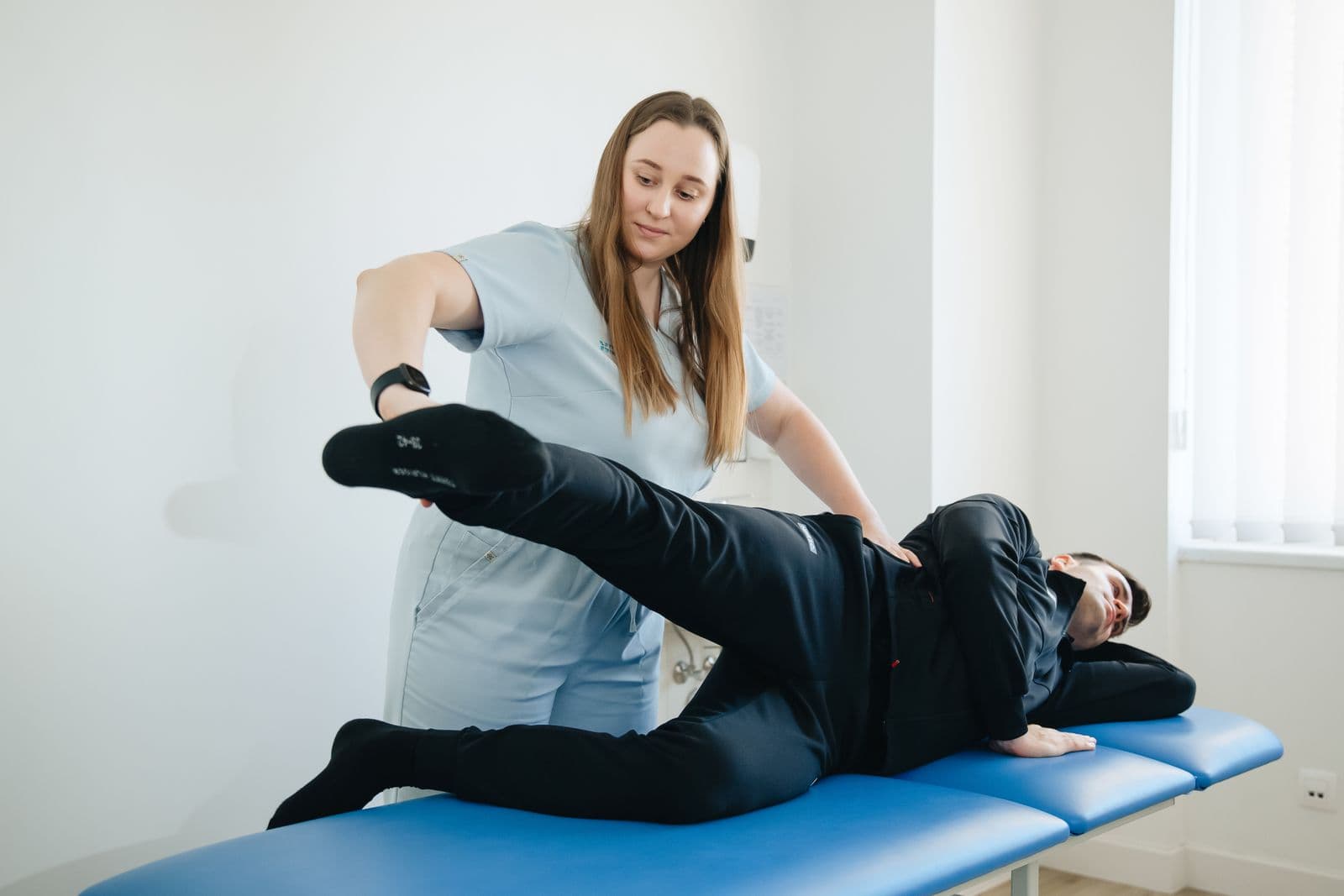
Targeted strengthening and stretching exercises are foundational to hip pain recovery. Weak hip stabilizers, particularly the gluteus medius and core muscles, can place excessive strain on the joint. A progressive exercise program improves strength, flexibility, and neuromuscular control, which can reduce pain and lower the risk of future injury.
Soft Tissue Therapy
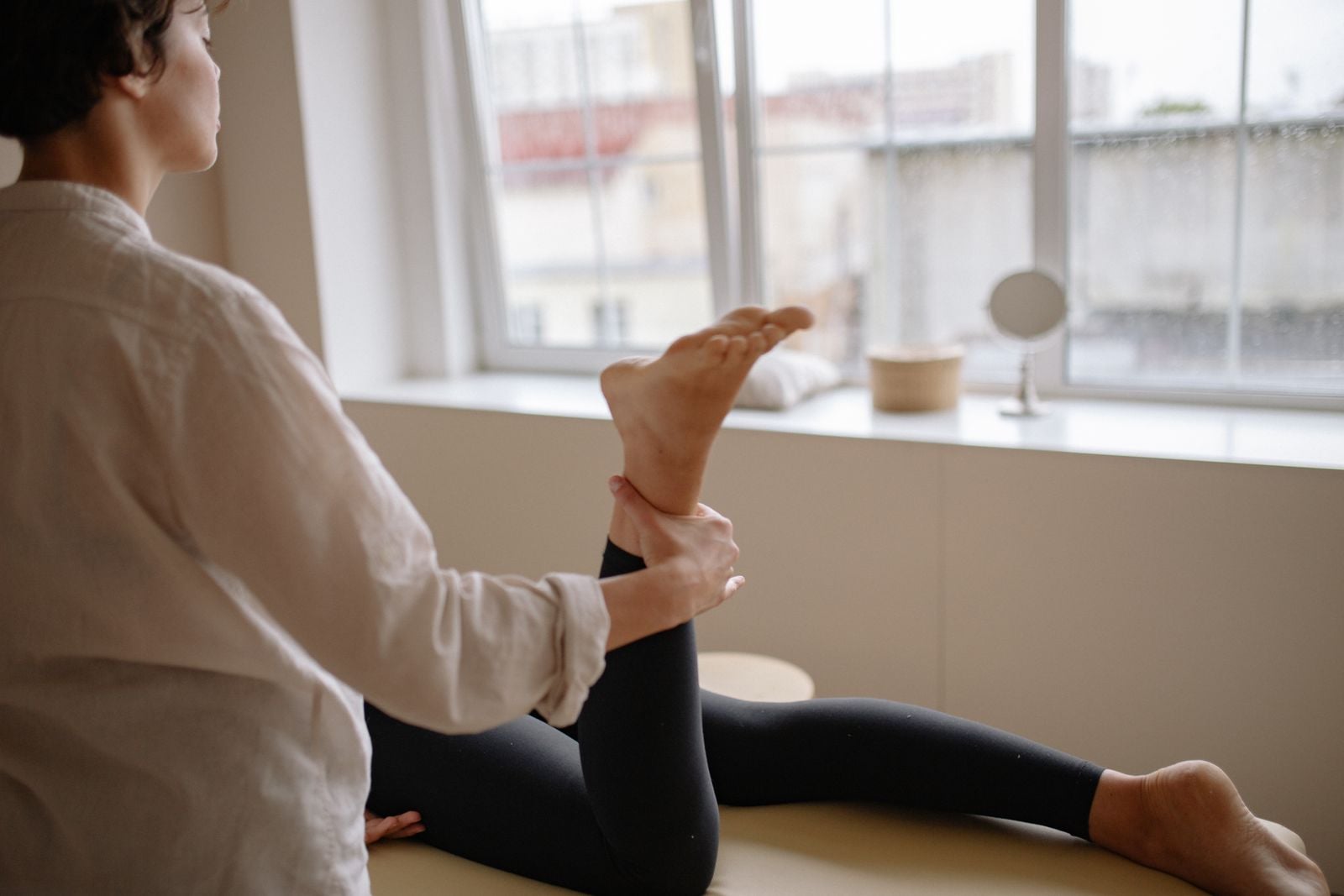
Soft tissue approaches such as myofascial release help reduce muscle tension and improve how the muscles and connective tissue around the hip glide and move. These hands-on treatments complement joint-focused care and exercise.
Activity Modification and Education
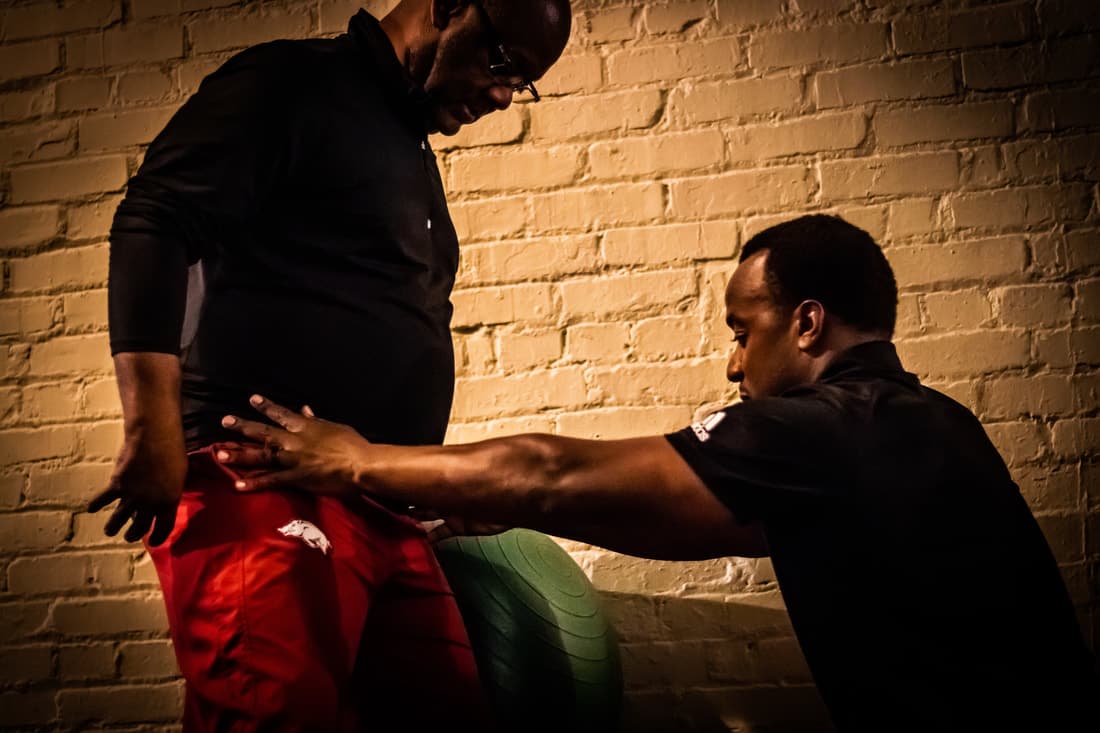
Learning to move differently can make a real difference. A provider can identify movement patterns or daily activities that aggravate your hip and teach you safer, more efficient alternatives. This might include ergonomic adjustments, gait training, or sport-specific technique changes.
Lifestyle Strategies for Hip Health
Beyond professional care, several everyday habits can support hip health and recovery:
- Maintain a healthy weight: Excess body weight adds stress to the hip joints. Even modest weight loss may ease hip discomfort for some people.
- Choose low-impact activities: Swimming, cycling, and walking are easier on the hips than high-impact sports, and they help maintain fitness and mobility.
- Warm up properly: Before exercise or physical activity, spend a few minutes warming up your muscles and joints with dynamic movements and gentle stretches.
- Prioritize rest and recovery: Allow adequate time between intense activities for tissue repair. Ignoring pain signals can worsen injuries and prolong recovery.
- Choose supportive footwear: Shoes with adequate cushioning and arch support can improve alignment and reduce hip strain during daily activities.
When to Seek Professional Help
Minor hip discomfort may settle with rest and self-care, but certain symptoms warrant a professional evaluation. Seek care if you experience:
- Persistent pain lasting more than a few weeks
- Difficulty bearing weight or walking
- Pain that worsens despite rest and self-care measures
If hip pain follows a fall or injury, you cannot put weight on the leg, or the pain comes with fever, redness, warmth or swelling around the joint, or unexplained weight loss, seek prompt medical care. Otherwise, getting evaluated early makes it easier to address the problem before compensations and habits set in.
Hip Pain Care at KC Wellness and Physiotherapy
At KC Wellness and Physiotherapy, Dr. Kowin Casey starts by listening carefully and examining how your hip, pelvis, and lower back move together. Depending on what he finds, a plan may combine chiropractic and spinal corrective care, physiotherapy and rehabilitation exercises, and soft tissue work such as Active Release Technique and myofascial release. If imaging is needed, Dr. Casey can recommend or refer you for it. You can read more on our hip pain page.
Moving Forward With Confidence
Hip pain doesn't have to limit your life. With an accurate diagnosis, conservative care, and a commitment to therapeutic exercise and lifestyle changes, many people see meaningful improvement and return to the activities they enjoy. Whether your hip pain stems from arthritis, bursitis, tendinitis, or another condition, conservative care is often a sensible place to start.
If you're struggling with hip discomfort, don't wait for it to worsen. A provider experienced with musculoskeletal conditions can help you build a plan around your needs so you can move with more comfort and confidence.