The sharp, shooting pain down your leg. The tingling that will not go away. The discomfort that makes it hard to sit, stand, or walk without wincing. If you have had sciatica, you know how disruptive it can be. It is a common problem, and while some people reach for pain medication or consider surgery, many start with a conservative, non-invasive approach that includes chiropractic care and rehabilitation.
Understanding what is behind your symptoms and what your options are is the first step toward feeling and moving better.
Understanding Sciatica
Sciatica is not a diagnosis on its own. It describes symptoms caused by irritation of the sciatic nerve or the nerve roots that form it. The sciatic nerve is the longest nerve in the body, running from the lower back through the hips and buttocks and down each leg. When something compresses or irritates it, the result is the characteristic pain, numbness, tingling, or weakness.
Common causes include a herniated or bulging disc, spinal stenosis, degenerative changes in the spine, and piriformis syndrome, where a muscle deep in the buttock irritates the nerve. Pregnancy, excess body weight, and long periods of sitting can also contribute.
Symptoms usually affect one side and can range from a mild ache to a sharp, burning pain. Some people describe it as an electric shock. Pain often worsens with coughing, sneezing, or sitting for long periods.
How Chiropractic Care Approaches Sciatica
Rather than focusing only on pain relief, a chiropractic approach tries to identify what is irritating the nerve and to address the mechanical factors involved, such as how the lower back and pelvis are moving, muscle tension, and posture and movement habits.
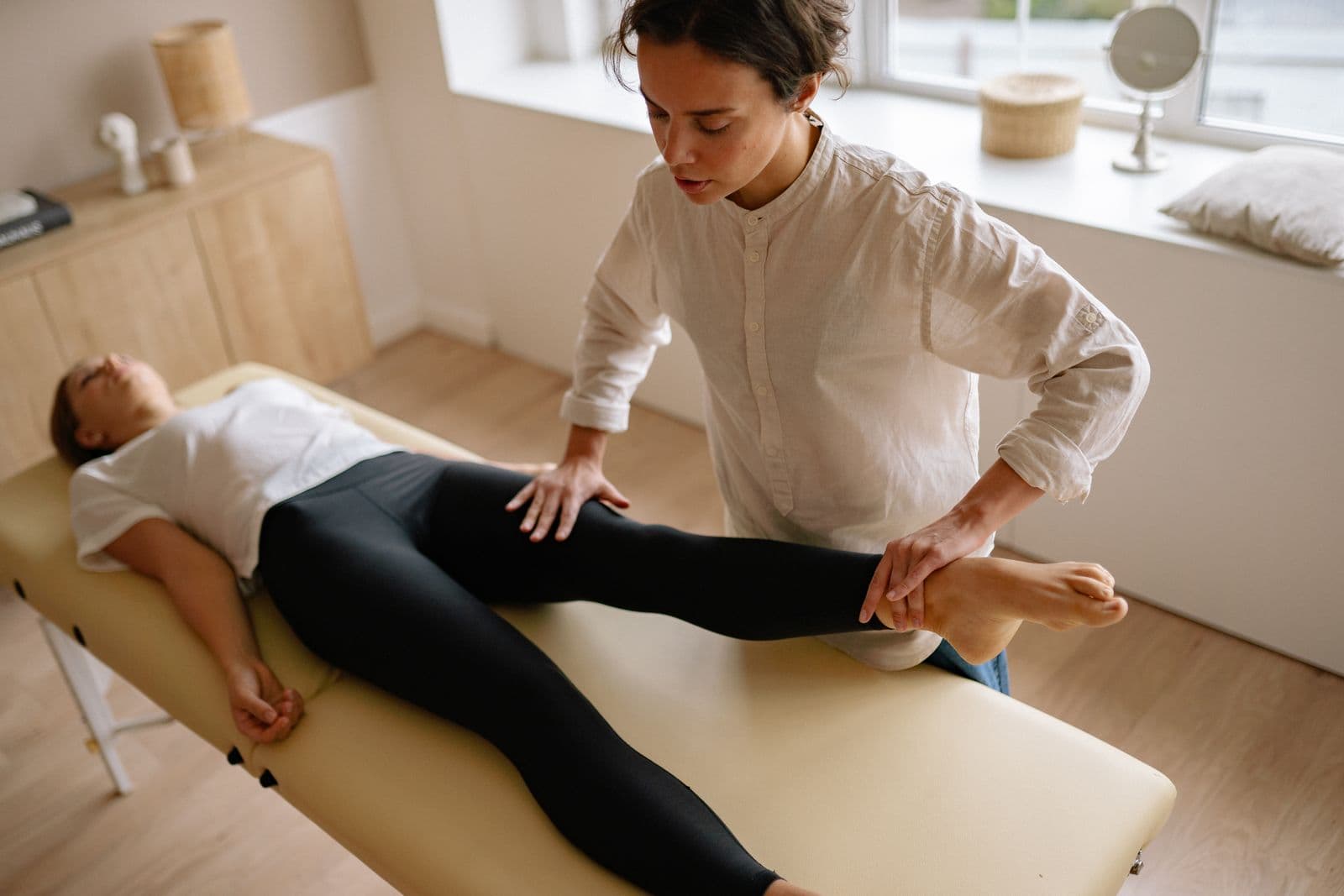
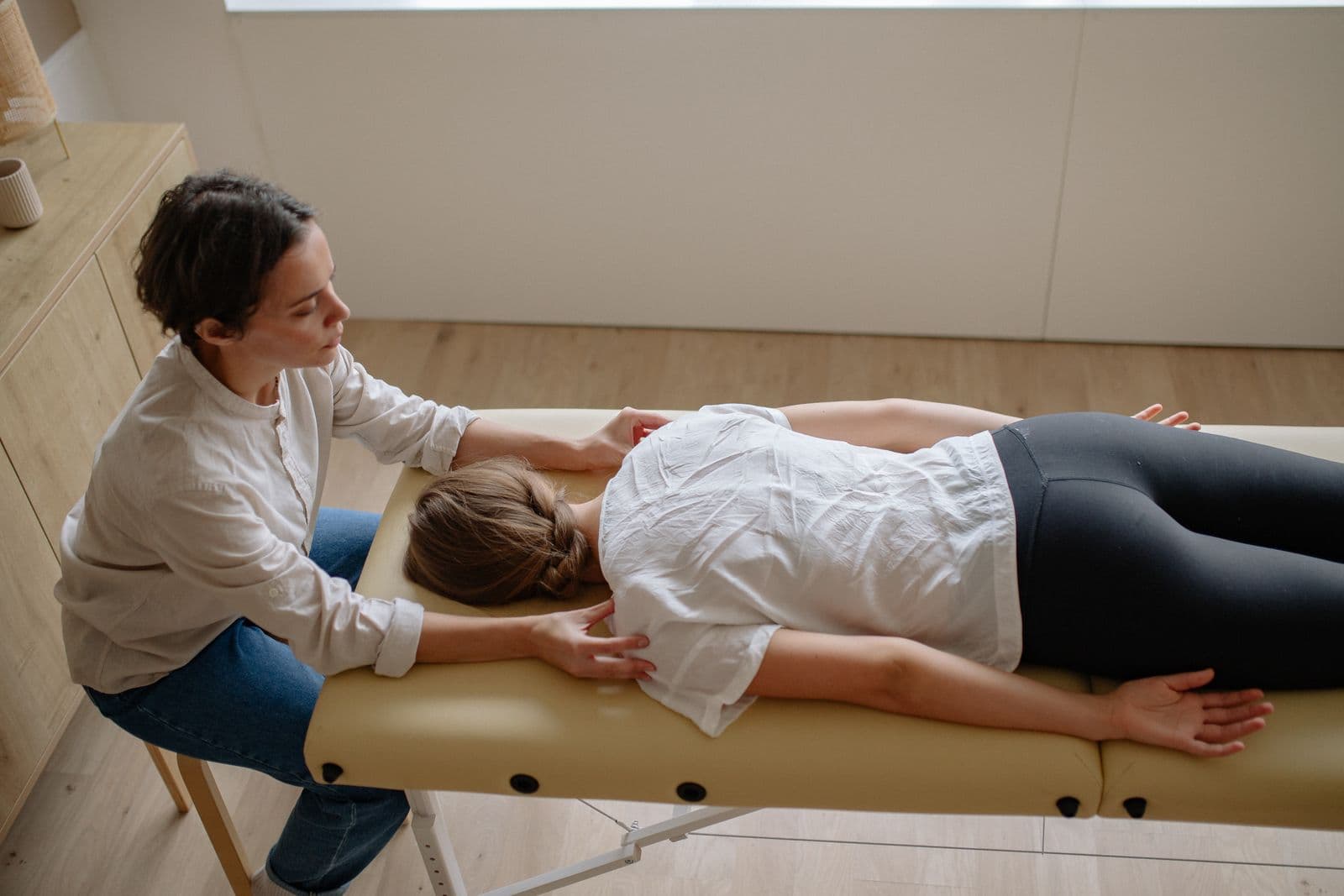
Adjustments aim to improve how the joints of the lower back and pelvis move, which may ease irritation around the nerve for some people. Research on spinal manipulation for sciatica is mixed. Some studies suggest short-term benefit for some people, and many people with sciatica improve over time with conservative care.
At KC Wellness and Physiotherapy, Dr. Casey can combine chiropractic and spinal corrective care with other conservative options, depending on your exam:
- Non-surgical lumbar decompression and manual or mechanical traction, which may be considered for some disc-related and nerve-related pain
- Class IV laser therapy aimed at pain reduction
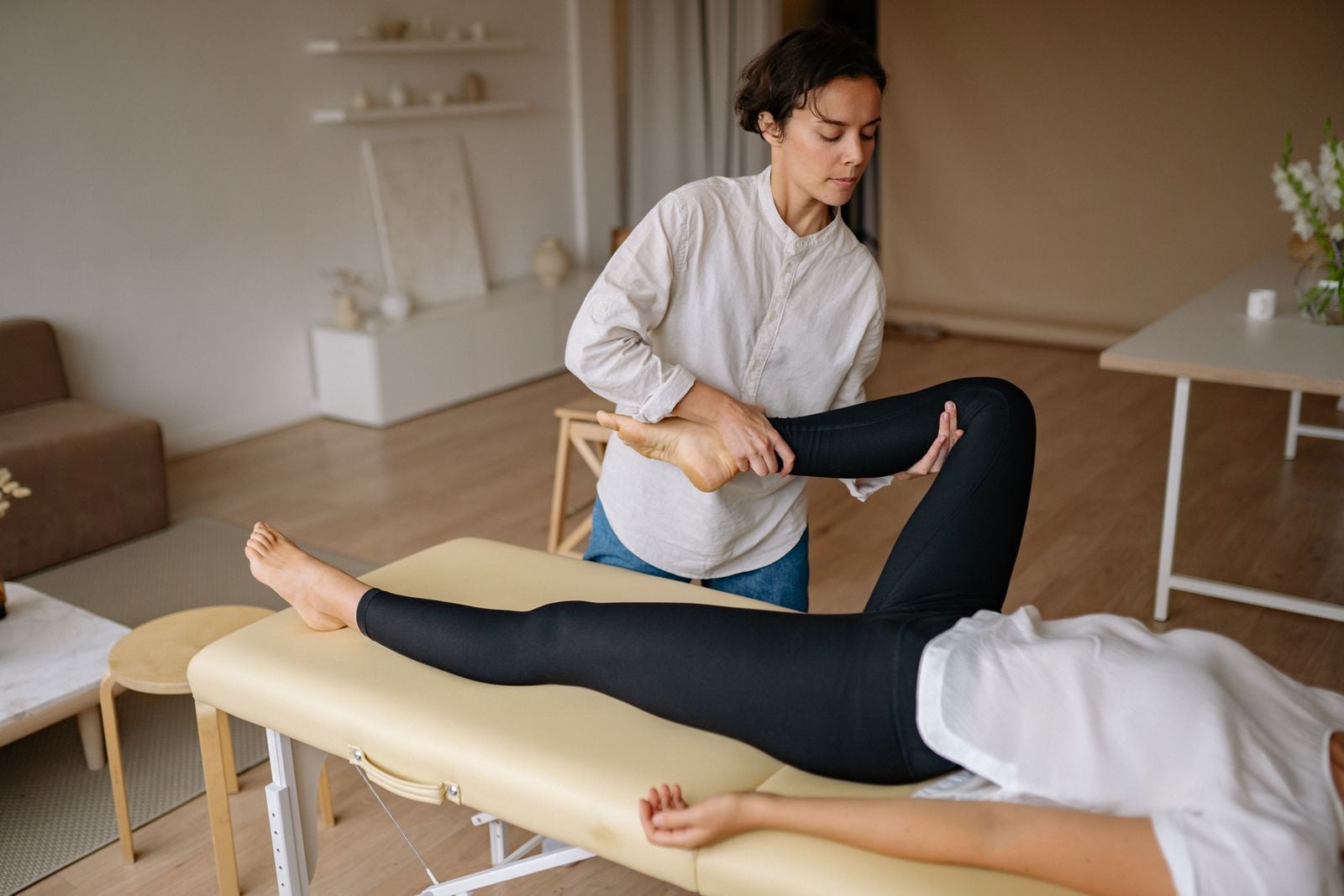
- Active Release Technique and myofascial release for tight muscles in the hips and buttocks
- Dry needling, which uses thin filament needles and may provide relief for some muscular pain and stiffness
- Physiotherapy and rehabilitation exercises to strengthen supporting muscles and help prevent recurrence
What to Expect During Care
A first visit involves a thorough evaluation: your health history, a discussion of your symptoms, and a physical exam that includes neurological and orthopedic tests. If imaging is needed to clarify the source of the nerve irritation, it may be recommended through a referral.
Plans are individualized to your condition, pain level, and overall health. Visits are often more frequent at first and taper as symptoms improve. Some people notice changes fairly early, while others need several weeks of consistent care, and progress should be reassessed along the way.
During an adjustment you may hear a popping sound. This is the release of gas from within the joint and is normal. Mild soreness afterward, similar to post-workout soreness, can occur and usually fades quickly.
Everyday Strategies for Sciatica
Alongside in-office care, these habits can support recovery and help prevent future episodes:
- Targeted exercises: strengthening your core and hip muscles gives your spine better support.
- Posture and lifting habits: learning to sit, stand, and lift well reduces strain on your lower back.
- Ice and heat: ice can help in flare-ups, while heat can relax tight muscles.
- Stay active: gentle walking and avoiding long periods of sitting are usually better than bed rest.
- Gentle stretching: stretches for the hamstrings, piriformis, and hip flexors may ease tension and improve flexibility.
Dr. Casey can put together a home exercise plan that complements your in-office care, so you can take an active role in your recovery.
The Benefits of a Conservative Approach
Chiropractic adjustments and exercise-based rehabilitation are non-invasive and do not involve surgery or injections, which makes them a reasonable place to start for many people with sciatica who do not have red-flag symptoms.
A conservative approach also looks at the mechanical and lifestyle factors behind your symptoms, not only the pain itself. Combined with regular exercise and good daily habits, that can help lower the chance of symptoms returning. If conservative care is not helping, or your symptoms worsen, a referral for further evaluation is the right next step.
When to Seek Professional Help
Mild sciatica sometimes settles with rest and self-care. Consider an evaluation if:
- Your pain persists despite a few days of home care
- The pain is severe or interferes with daily activities
- Your symptoms keep returning after they seem to improve
Get emergency care right away for
- Loss of bladder or bowel control
- Numbness in the groin, inner thighs, or buttocks
- Leg weakness that is getting worse
Living with sciatica does not have to be your normal. If you are dealing with sciatic pain in Kansas City, Dr. Casey can evaluate what is behind it and talk through a conservative plan to help you get back to the activities you enjoy. Learn more about sciatica and nerve impingement.